

#Short Answer
Explains What Is AI in Retail, including the core definition, how it works, practical examples, and limitations.
#Infobox
#Overview
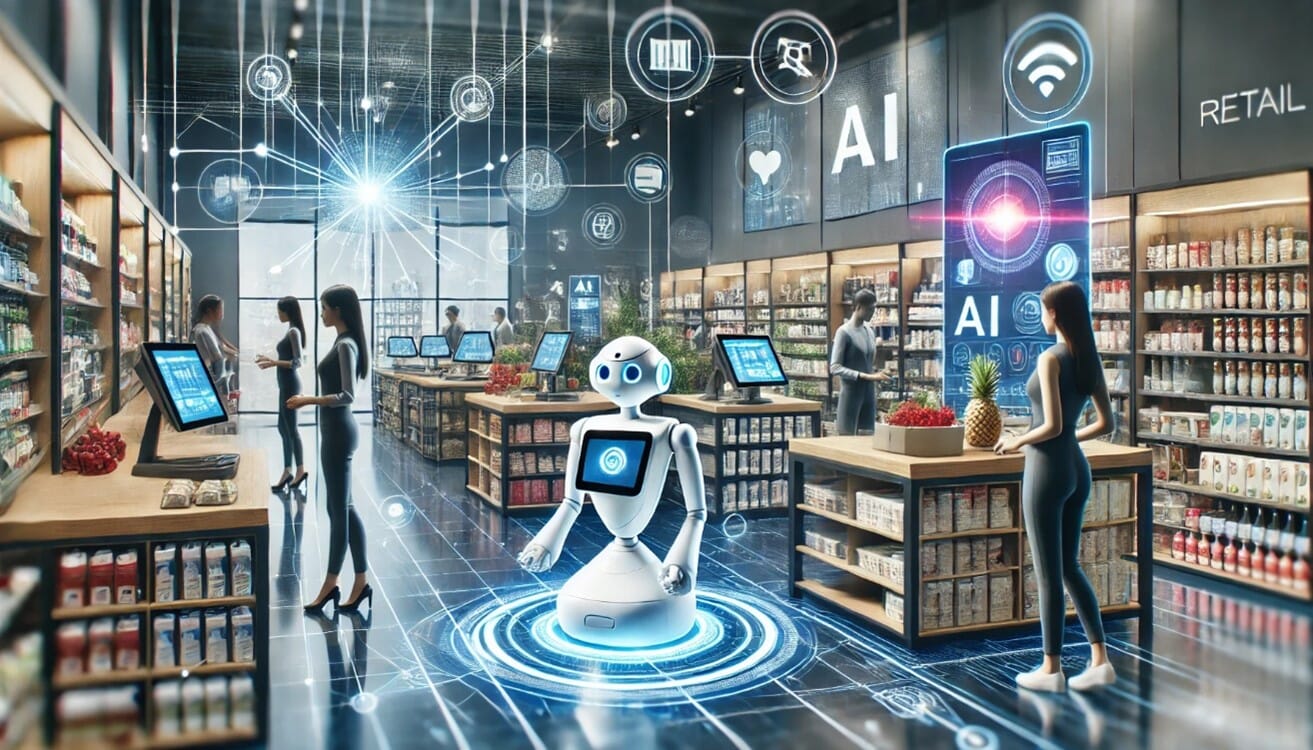
Artificial Intelligence (AI) in retail represents a transformative shift in how businesses engage with customers, manage supply chains, and drive sales. By leveraging AI-driven tools, retailers can analyze vast amounts of data in real time to anticipate consumer behavior, tailor marketing strategies, and streamline logistics. This integration of AI not only enhances operational efficiency but also fosters deeper customer relationships through personalized experiences. The retail industry has evolved from traditional brick-and-mortar models to omnichannel ecosystems, where online and offline interactions seamlessly blend. AI acts as a catalyst in this transition, enabling retailers to offer 24/7 customer support via chatbots, recommend products based on browsing history, and optimize pricing dynamically. Moreover, AI-powered inventory systems reduce stockouts and overstock situations, while computer vision technologies enhance security and checkout processes. As consumer expectations continue to rise, AI in retail has become a critical differentiator. Retailers that successfully implement AI solutions gain a competitive edge by delivering faster, more accurate, and highly personalized services. From small e-commerce businesses to global retail giants, AI is reshaping the industry’s future, making it more adaptive, intelligent, and customer-centric.
#History / Background
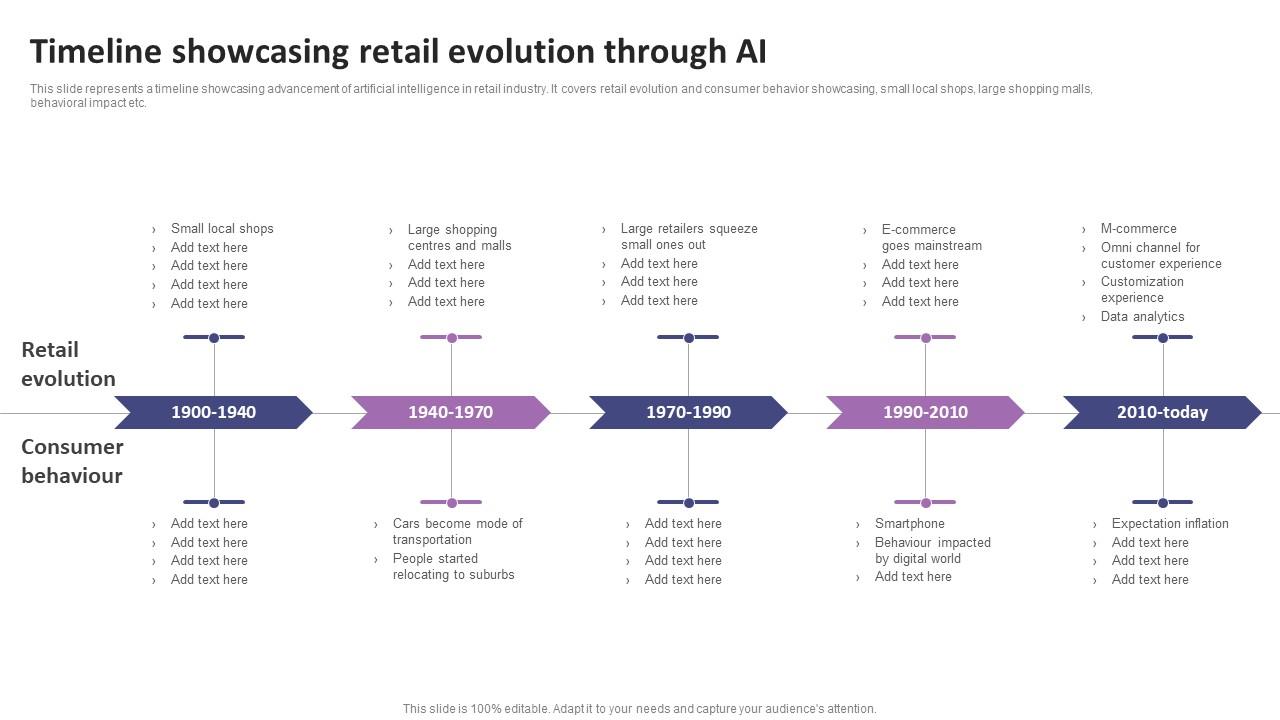
The integration of AI into retail is rooted in decades of technological advancements, evolving alongside the broader digital transformation of the industry.
#Early Foundations (1980s–1990s)
The concept of AI in retail began to take shape with the advent of early data analytics and rule-based systems. Retailers started using basic algorithms to analyze sales trends and customer purchase patterns. However, these systems were limited by computational power and lacked the sophistication of modern AI.
#Rise of E-Commerce (2000s)
The explosion of e-commerce platforms like Amazon and eBay in the early 2000s created a fertile ground for AI adoption. Retailers began leveraging machine learning algorithms to power recommendation engines, which analyzed user behavior to suggest relevant products. This era also saw the emergence of early chatbots and virtual assistants designed to handle customer inquiries.
#Big Data and Machine Learning (2010s)
The proliferation of big data and advancements in machine learning algorithms revolutionized AI in retail. Retailers gained access to vast datasets from online transactions, social media, and IoT devices. This data enabled the development of predictive analytics tools that could forecast demand, optimize supply chains, and personalize marketing campaigns. Companies like Walmart and Target invested heavily in AI-driven solutions to enhance inventory management and customer segmentation.
#Modern AI Integration (2020s)
Today, AI in retail has reached new heights with the adoption of advanced technologies such as:
- Computer Vision: Enabling cashier-less stores (e.g., Amazon Go) and automated quality control in warehouses.
- Natural Language Processing (NLP): Powering voice assistants (e.g., Alexa, Google Assistant) and sentiment analysis for customer feedback.
- Robotics: Automating warehouse operations and in-store assistance.
- Generative AI: Creating personalized product descriptions, marketing content, and even virtual try-on experiences. The COVID-19 pandemic further accelerated AI adoption, as retailers sought contactless solutions and digital-first strategies to meet changing consumer behaviors.
#How It Works
AI in retail operates through a combination of technologies and methodologies designed to enhance decision-making, automate processes, and improve customer interactions. Below is a breakdown of how these systems function:
#
- Data Collection and Processing AI systems rely on high-quality data to function effectively. Retailers gather data from multiple sources, including:
- Customer Interactions: Browsing history, purchase records, social media activity, and feedback.
- Operational Data: Inventory levels, supply chain logistics, and sales performance.
- External Data: Market trends, competitor pricing, and economic indicators. This data is processed using machine learning models to identify patterns, predict trends, and generate actionable insights.
#
- Personalization and Recommendation Engines One of the most visible applications of AI in retail is personalized recommendations. These systems analyze a customer’s past behavior, preferences, and demographic data to suggest products they are likely to purchase. For example:
- Collaborative Filtering: Recommends products based on the preferences of similar users.
- Content-Based Filtering: Suggests items aligned with a customer’s past purchases or browsing history.
- Hybrid Models: Combine multiple techniques for more accurate predictions. Platforms like Amazon and Netflix use these algorithms to drive engagement and increase sales.
#
- Demand Forecasting and Inventory Management AI-powered demand forecasting helps retailers predict future sales trends by analyzing historical data, seasonality, and external factors like weather or economic conditions. This enables:
- Optimized Stock Levels: Reducing overstock and stockouts.
- Dynamic Pricing: Adjusting prices in real time based on demand, competition, and inventory levels.
- Supply Chain Efficiency: Streamlining logistics and reducing waste. Tools like Blue Yonder and ToolsGroup are widely used for these purposes.
#
- Chatbots and Virtual Assistants AI-driven chatbots and virtual assistants provide 24/7 customer support, handling inquiries about product availability, order status, and returns. They use natural language processing (NLP) to understand and respond to customer queries in real time. Advanced systems can even handle complex interactions, such as troubleshooting or personalized recommendations.
#
- Computer Vision and Image Recognition Computer vision technology enables retailers to:
- Automate Checkout: Cashier-less stores (e.g., Amazon Go) use cameras and sensors to track items as customers pick them up.
- Enhance Security: Detecting shoplifting or fraudulent activities.
- Improve Product Search: Allowing customers to upload images to find similar products (e.g., Pinterest Lens).
#
- Fraud Detection and Security AI systems analyze transaction patterns to identify fraudulent activities, such as credit card fraud or account takeovers. Machine learning models flag suspicious transactions by comparing them against known fraudulent behaviors, reducing financial losses for retailers and customers alike.
#
- Voice Commerce and Conversational AI With the rise of smart speakers and voice assistants, retailers are integrating voice commerce capabilities. Customers can use voice commands to search for products, place orders, or track deliveries, creating a seamless hands-free shopping experience.
#
- Augmented Reality (AR) and Virtual Try-Ons AI-powered AR tools allow customers to visualize products in their own space before purchasing. For example:
- Virtual Try-Ons: Enabling users to see how clothes, makeup, or furniture would look on them.
- Interactive Storefronts: Using AR to enhance in-store experiences with digital overlays.
#Important Facts
- Market Growth: The global AI in retail market is projected to reach $40.4 billion by 2027, growing at a CAGR of 29.6% from 2022 to 2027 (MarketsandMarkets).
- Customer Expectations: 73% of consumers expect personalized experiences from retailers (Deloitte).
- Efficiency Gains: AI-powered inventory management can reduce stockouts by up to 50% and overstock by 30% (McKinsey).
- Fraud Prevention: AI can reduce fraud losses by up to 70% compared to traditional methods (Juniper Research).
- Chatbot Adoption: 64% of customers prefer chatbots for quick responses to simple queries (Gartner).
- Voice Commerce Growth: The global voice commerce market is expected to reach $40 billion by 2022 (OC&C Strategy Consultants).
- Sustainability Impact: AI-driven demand forecasting can reduce food waste by up to 30% in grocery retail (BCG).
- Labor Savings: Automated warehouses with AI and robotics can reduce labor costs by up to 30% (DHL).
#Timeline
- Foundational ideas
Core concepts and early methods shape What Is AI in Retail?.
- Practical use
Tools, examples, and real-world deployments make the topic easier to evaluate.
- Responsible implementation
Current work focuses on reliability, governance, performance, and measurable impact.
#Related Terms
#FAQ
What does What Is AI in Retail? cover?
Explains What Is AI in Retail, including the core definition, how it works, practical examples, and limitations.
Why is What Is AI in Retail? important?
It helps readers understand key concepts, compare practical use cases, and evaluate how Business & Marketing decisions affect outcomes, risks, and implementation choices.
What should readers verify before applying this topic?
Readers should compare benefits, limitations, data requirements, and related themes such as AI, Retail, Machine Learning before using the ideas in real projects.
#References
- What Is AI in Retail? terminology and background research
- What Is AI in Retail? use cases, implementation examples, and limitations
- Business & Marketing best practices, standards, and risk guidance
- AI case studies, benchmarks, and current industry analysis

Comments
No comments yet. Start the discussion with a useful note.