

#Short Answer
Covers understanding machine learning: a comprehensive guide, including core concepts, practical examples, benefits, limitations, and risks in Machine Learning.
#Infobox
#Overview
Understanding Machine Learning: A Comprehensive Guide is a structured educational resource that bridges the gap between theoretical concepts and practical implementation in machine learning. The book systematically covers foundational topics such as supervised and unsupervised learning, neural networks, model evaluation, and real-world applications across industries like healthcare, finance, and autonomous systems. It emphasizes clarity in explanation, using visual aids, pseudocode, and case studies to enhance comprehension. The text is particularly suited for undergraduate and graduate students in computer science, data science, and related disciplines, as well as professionals transitioning into AI-driven roles. Unlike many introductory texts, it integrates mathematical rigor with accessible language, making complex topics like gradient descent and overfitting approachable without sacrificing depth.
#History / Background
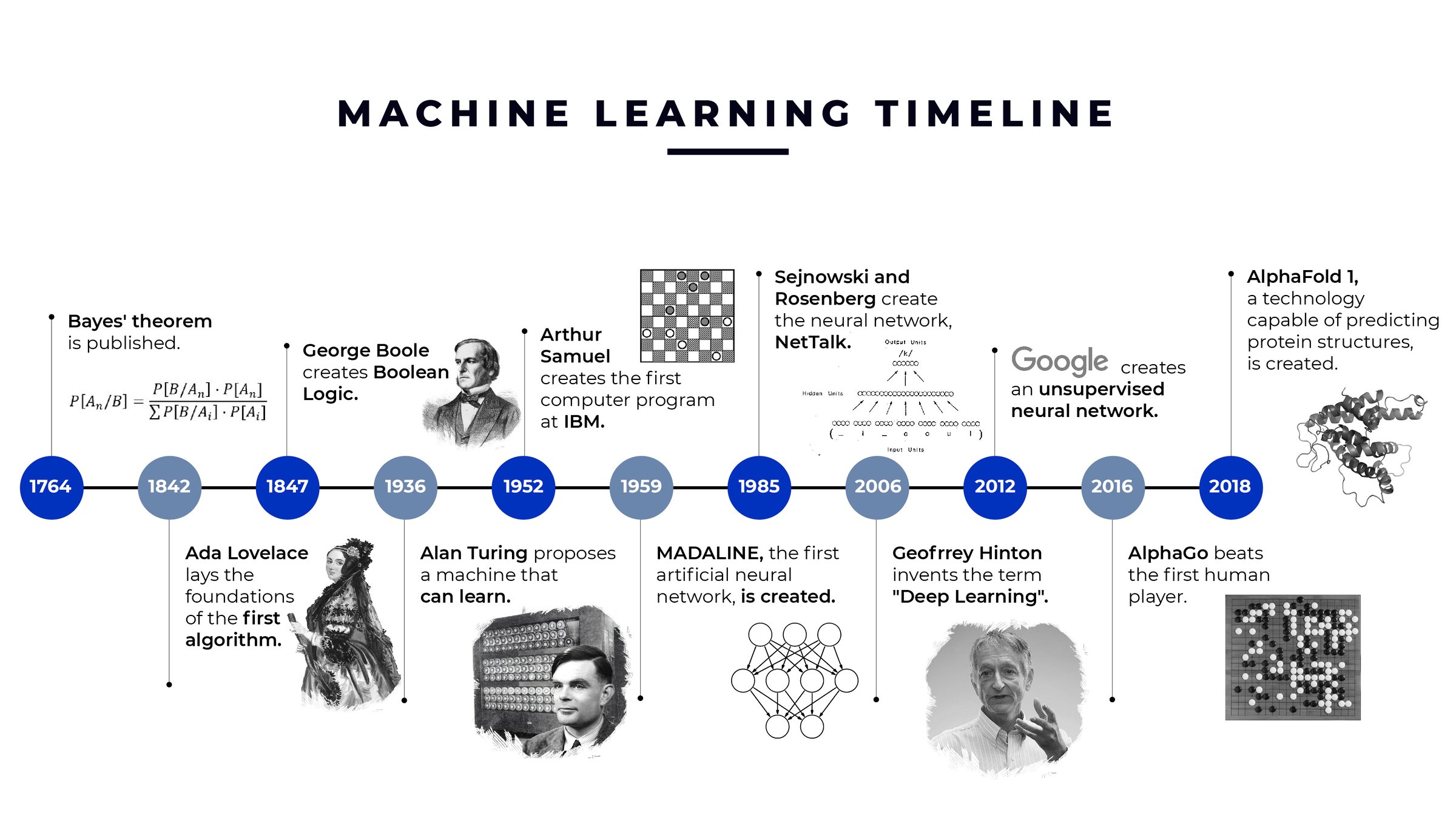
The development of Understanding Machine Learning: A Comprehensive Guide reflects the rapid evolution of machine learning as a discipline over the past two decades. The foundational theories underpinning modern machine learning were established in the mid-20th century, with key contributions from researchers such as Arthur Samuel (who coined the term "machine learning" in 1959) and early work on neural networks by Frank Rosenblatt in the 1960s. However, the practical application of these theories remained limited until the early 2010s, when advances in computing power, big data availability, and algorithmic improvements—such as deep learning—revolutionized the field. By the 2020s, machine learning had transitioned from a niche academic pursuit to a ubiquitous technology powering recommendation systems, fraud detection, and autonomous vehicles. This book was conceived in response to the growing demand for accessible yet rigorous educational materials that could prepare learners for the demands of an AI-centric workforce. Its authors, drawing from both academic research and industry experience, sought to create a resource that not only explains how machine learning works but also why certain approaches are effective in specific contexts.
#How It Works
Understanding Machine Learning: A Comprehensive Guide is structured around a modular learning framework, progressing from basic concepts to advanced techniques. Below is an overview of its core components and how they function together:
#
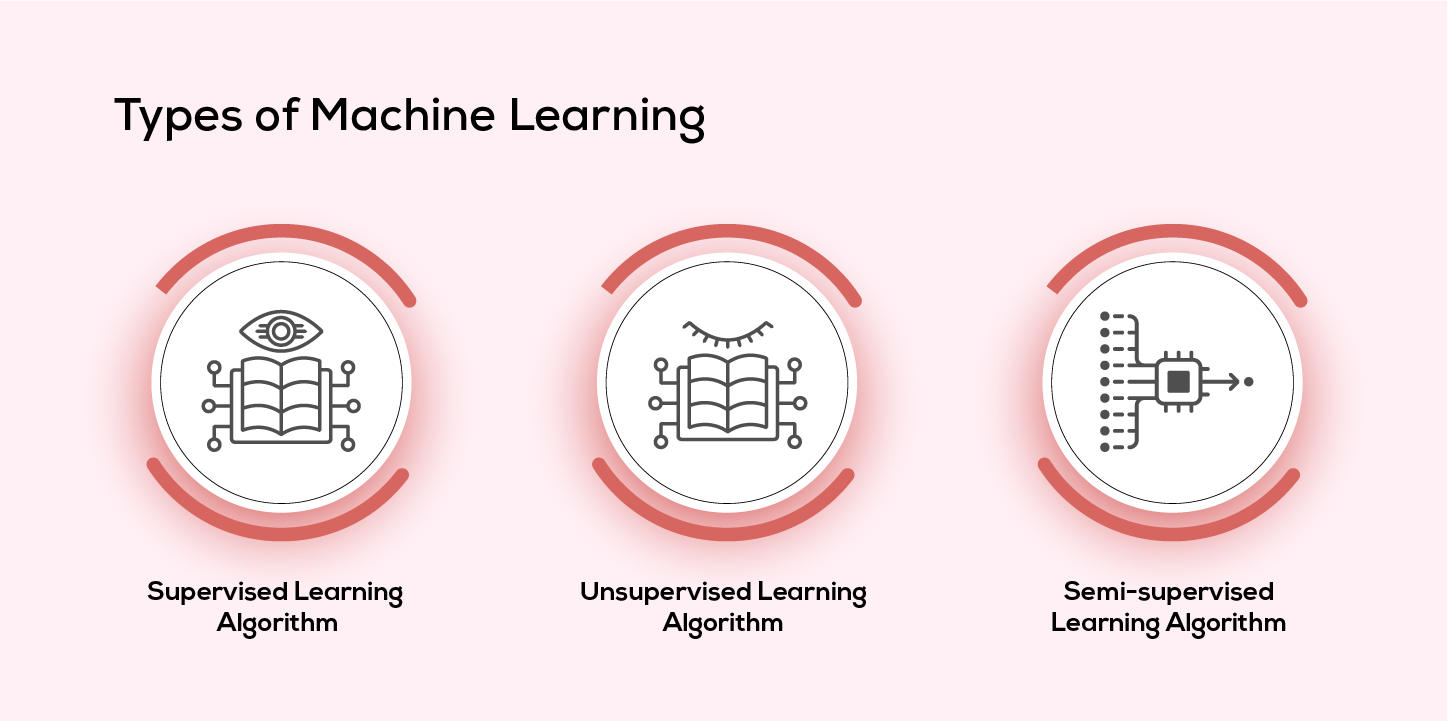
- Foundational Concepts The book begins by defining machine learning as a subset of artificial intelligence focused on building systems that learn from data. It distinguishes between:
- Supervised Learning: Models trained on labeled data (e.g., classification, regression).
- Unsupervised Learning: Models that identify patterns in unlabeled data (e.g., clustering, dimensionality reduction).
- Reinforcement Learning: Systems that learn through trial and error via rewards and penalties.
#
- Algorithmic Deep Dive Each major algorithm family is explored in detail, including:
- Linear Regression: A statistical method for modeling the relationship between a dependent variable and one or more independent variables.
- Decision Trees: Tree-like models used for classification and regression, valued for their interpretability.
- Support Vector Machines (SVMs): Effective for high-dimensional data, particularly in classification tasks.
- Neural Networks: Inspired by biological neurons, these models excel in tasks like image recognition and natural language processing.
- Ensemble Methods: Techniques like Random Forests and Gradient Boosting that combine multiple models to improve performance.
#
- Model Training and Evaluation The guide emphasizes the importance of proper data preprocessing, including normalization, handling missing values, and feature engineering. It discusses key evaluation metrics such as:
- Accuracy: The proportion of correct predictions.
- Precision and Recall: Critical for imbalanced datasets.
- F1-Score: A harmonic mean of precision and recall.
- ROC-AUC: Measures the model's ability to distinguish between classes. Cross-validation techniques, such as k-fold cross-validation, are introduced to ensure models generalize well to unseen data.
#
- Deployment and Ethical Considerations The latter sections address practical deployment challenges, including:
- Model Interpretability: Techniques like SHAP (SHapley Additive exPlanations) and LIME (Local Interpretable Model-agnostic Explanations) to explain predictions.
- Bias and Fairness: Identifying and mitigating biases in training data to prevent discriminatory outcomes.
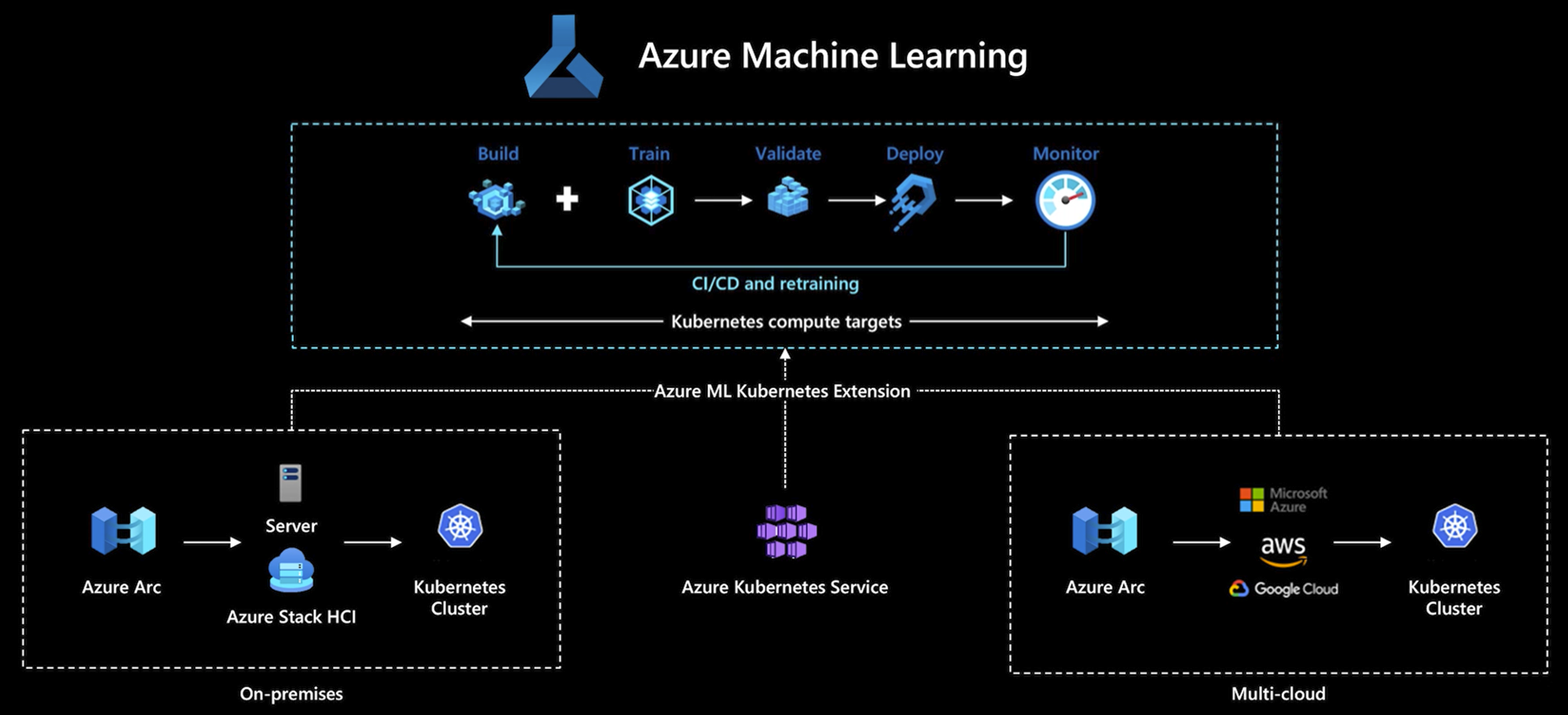
- Scalability: Strategies for deploying models in cloud environments or edge devices.
#
- Case Studies Real-world applications are illustrated through case studies, such as:
- Healthcare: Predictive models for early disease detection.
- Finance: Fraud detection using anomaly detection algorithms.
- Retail: Personalized recommendation systems powered by collaborative filtering.
#Important Facts
- Interdisciplinary Roots: Machine learning draws from statistics, computer science, neuroscience, and cognitive science.
- Data Dependency: The performance of machine learning models is heavily influenced by the quality and quantity of training data.
- Computational Intensity: Training deep learning models often requires specialized hardware like GPUs or TPUs.
- Ethical Implications: Machine learning systems can inadvertently perpetuate biases present in historical data, raising concerns about fairness and accountability.
- Open-Source Tools: The book references widely used libraries such as TensorFlow, PyTorch, and scikit-learn, which democratize access to machine learning techniques.
- Career Growth: Proficiency in machine learning is associated with high-demand roles, including Data Scientist, Machine Learning Engineer, and AI Researcher.
#Timeline
- Foundational ideas
Core concepts and early methods shape Understanding Machine Learning: a Comprehensive Guide.
- Practical use
Tools, examples, and real-world deployments make the topic easier to evaluate.
- Responsible implementation
Current work focuses on reliability, governance, performance, and measurable impact.
#Related Terms
#FAQ
What does Understanding Machine Learning: a Comprehensive Guide cover?
Covers understanding machine learning: a comprehensive guide, including core concepts, practical examples, benefits, limitations, and risks in Machine Learning.
Why is Understanding Machine Learning: a Comprehensive Guide important?
It helps readers understand key concepts, compare practical use cases, and evaluate how Machine Learning decisions affect outcomes, risks, and implementation choices.
What should readers verify before applying this topic?
Readers should compare benefits, limitations, data requirements, and related themes such as Understanding, Machine, Learning before using the ideas in real projects.
#References
- Understanding Machine Learning: a Comprehensive Guide terminology and background research
- Understanding Machine Learning: a Comprehensive Guide use cases, implementation examples, and limitations
- Machine Learning best practices, standards, and risk guidance
- Understanding case studies, benchmarks, and current industry analysis

Comments
No comments yet. Start the discussion with a useful note.