


#Short Answer
Covers machine learning for beginners: a friendly introduction, including core concepts, practical examples, benefits, limitations, and risks in Machine Learning.
#Infobox
#Overview
Machine Learning for Beginners: A Friendly Introduction serves as an entry-level resource for individuals interested in understanding the core principles of machine learning. The book adopts a conversational tone, avoiding excessive technical jargon to ensure accessibility for readers with minimal prior knowledge. It introduces key concepts such as supervised and unsupervised learning, neural networks, and model evaluation, while also addressing practical applications like image recognition and recommendation systems. The book emphasizes hands-on learning by including simple exercises and real-world examples, allowing readers to apply theoretical knowledge in practical scenarios. Unlike traditional academic texts, it prioritizes intuitive explanations over mathematical rigor, making it particularly suitable for self-learners, students, and professionals transitioning into data science or AI-related fields.
#History / Background
The development of Machine Learning for Beginners: A Friendly Introduction aligns with the growing public interest in artificial intelligence and machine learning during the mid-2010s. As industries began adopting AI-driven solutions, there was a surge in demand for accessible educational resources that could bridge the gap between technical complexity and layperson understanding. Oliver Theobald, the author, recognized this need and structured the book to demystify machine learning by breaking down complex topics into digestible segments. The publication year (estimated around 2017) coincides with the rise of online learning platforms and bootcamps focused on data science, further validating the book’s relevance as a supplementary resource. The book’s approach reflects broader trends in educational publishing, where authors increasingly prioritize clarity and engagement over traditional academic formats. Its success contributed to a wave of beginner-friendly machine learning literature, influencing subsequent works in the genre.
#How It Works
#Core Concepts The book introduces machine learning through a structured progression, starting with foundational definitions and gradually building toward advanced topics. Key areas covered include:
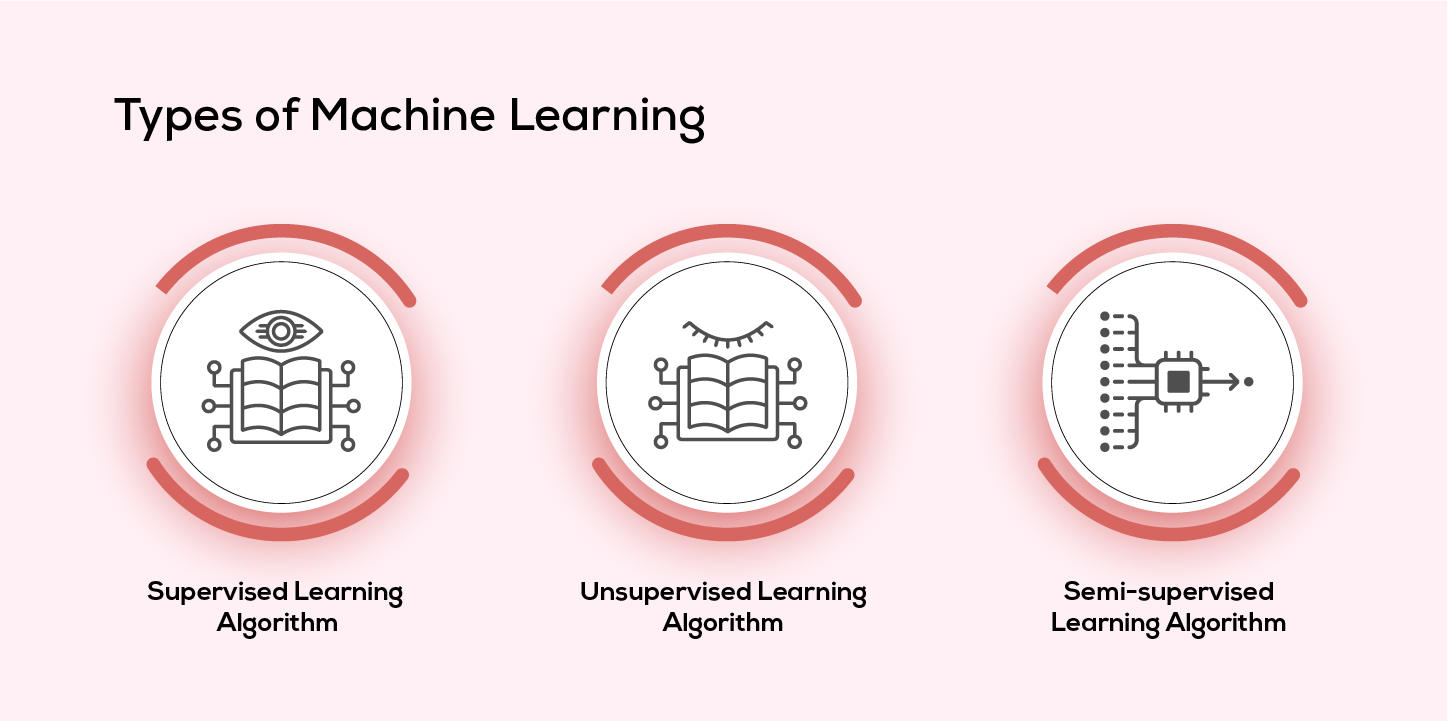
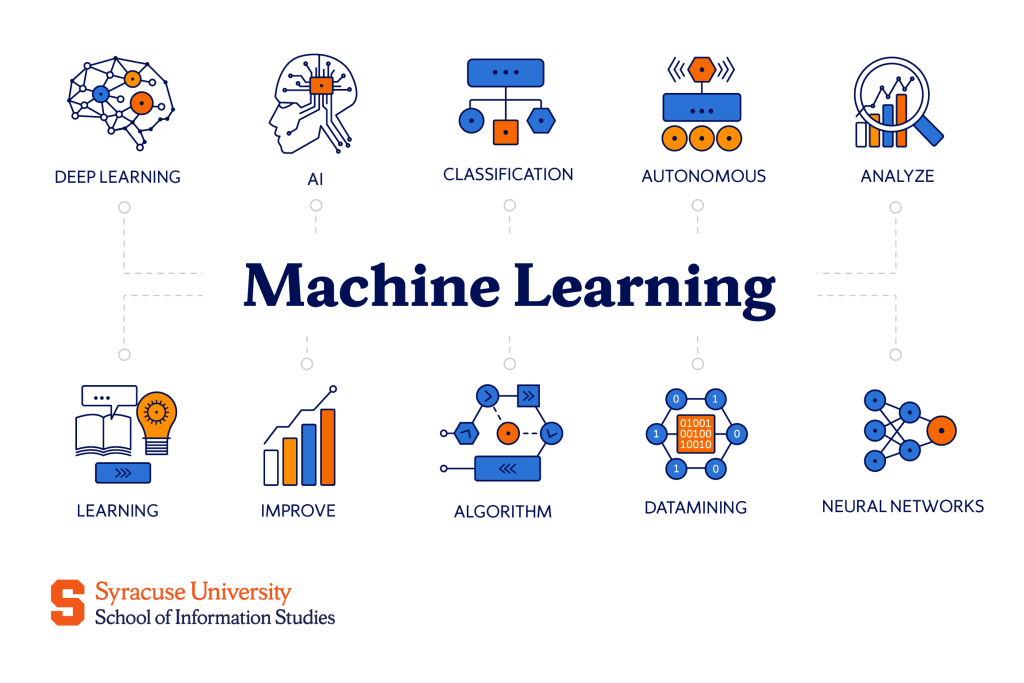
- Introduction to Machine Learning - Defines machine learning as a subset of artificial intelligence focused on building systems that learn from data. - Differentiates between supervised learning (labeled data), unsupervised learning (unlabeled data), and reinforcement learning (trial-and-error).
- Data Preprocessing - Explains the importance of cleaning and preparing data, including handling missing values, normalizing features, and encoding categorical variables. - Introduces tools like Pandas and NumPy for data manipulation in Python.
- Algorithms - Covers fundamental algorithms such as:
- Linear Regression (for predicting continuous outcomes).
- Logistic Regression (for binary classification).
- Decision Trees (for interpretable decision-making).
- k-Nearest Neighbors (k-NN) (for pattern recognition).
- Support Vector Machines (SVM) (for classification tasks).
- Model Training and Evaluation - Describes techniques like train-test splits, cross-validation, and confusion matrices to assess model performance. - Introduces metrics such as accuracy, precision, recall, and F1-score.
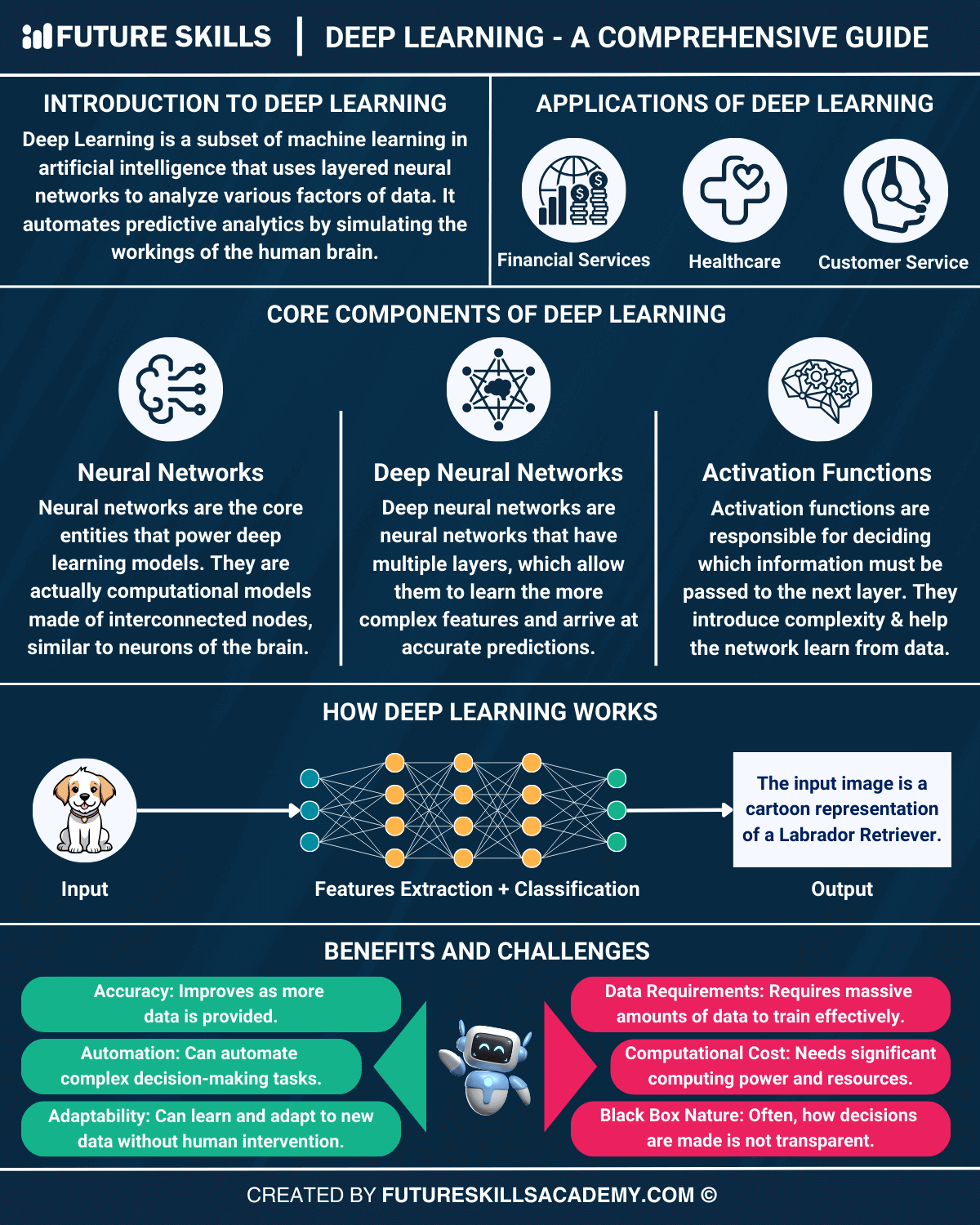
- Neural Networks and Deep Learning - Provides a high-level overview of artificial neural networks, including layers, activation functions, and backpropagation. - Briefly touches on deep learning applications like image classification and natural language processing.
#Practical Applications The book includes case studies and exercises to reinforce learning, such as: - Predicting house prices using linear regression. - Classifying emails as spam or not spam. - Recognizing handwritten digits with a simple neural network. By focusing on practical examples, the book ensures readers can immediately apply concepts to real-world problems, fostering confidence and competence in machine learning.
#Important Facts
- Beginner-Friendly Approach: The book avoids advanced mathematics (e.g., calculus, linear algebra) and instead uses analogies and visualizations to explain concepts.
- Minimal Prerequisites: Readers are assumed to have basic familiarity with statistics and programming (e.g., Python), though the book provides introductory resources for these topics.
- Industry Relevance: Topics like recommendation systems (e.g., Netflix, Amazon) and image recognition (e.g., facial recognition) are highlighted to demonstrate real-world utility.
- Ethical Considerations: A brief section addresses ethical concerns in machine learning, such as bias in datasets and the importance of transparency.
- Supplementary Resources: The book often references free online tools like Google Colab and Kaggle for hands-on practice.
#Timeline
- Foundational ideas
Core concepts and early methods shape Machine Learning for Beginners: a Friendly Introduction.
- Practical use
Tools, examples, and real-world deployments make the topic easier to evaluate.
- Responsible implementation
Current work focuses on reliability, governance, performance, and measurable impact.
#Related Terms
#FAQ
What does Machine Learning for Beginners: a Friendly Introduction cover?
Covers machine learning for beginners: a friendly introduction, including core concepts, practical examples, benefits, limitations, and risks in Machine Learning.
Why is Machine Learning for Beginners: a Friendly Introduction important?
It helps readers understand key concepts, compare practical use cases, and evaluate how Machine Learning decisions affect outcomes, risks, and implementation choices.
What should readers verify before applying this topic?
Readers should compare benefits, limitations, data requirements, and related themes such as Machine, Learning, AI before using the ideas in real projects.
#References
- Machine Learning for Beginners: a Friendly Introduction terminology and background research
- Machine Learning for Beginners: a Friendly Introduction use cases, implementation examples, and limitations
- Machine Learning best practices, standards, and risk guidance
- Machine case studies, benchmarks, and current industry analysis

Comments
No comments yet. Start the discussion with a useful note.