


#Short Answer
Covers natural language processing myths debunked, including core concepts, practical examples, benefits, limitations, and risks in Language AI.
#Infobox
#Overview
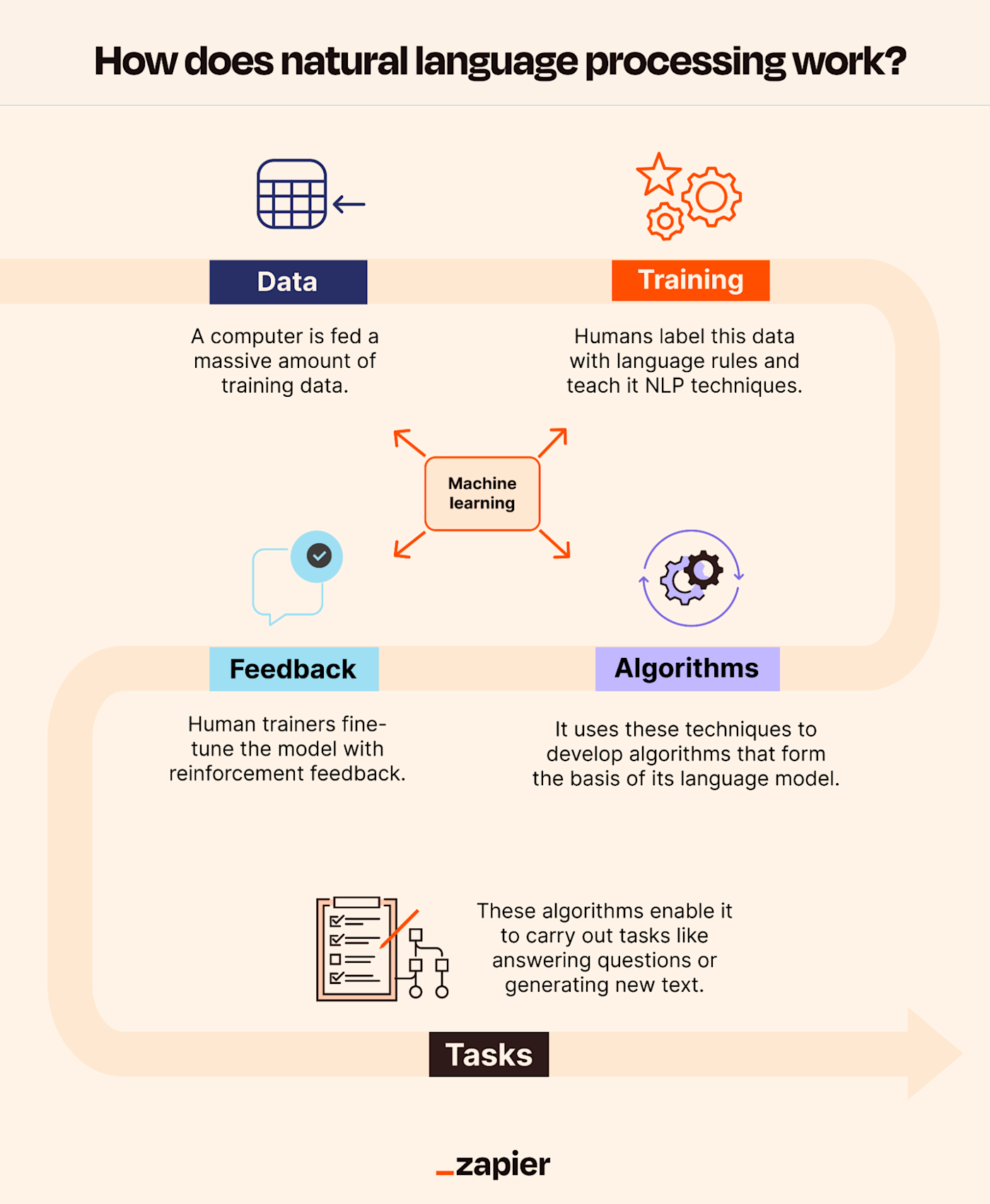
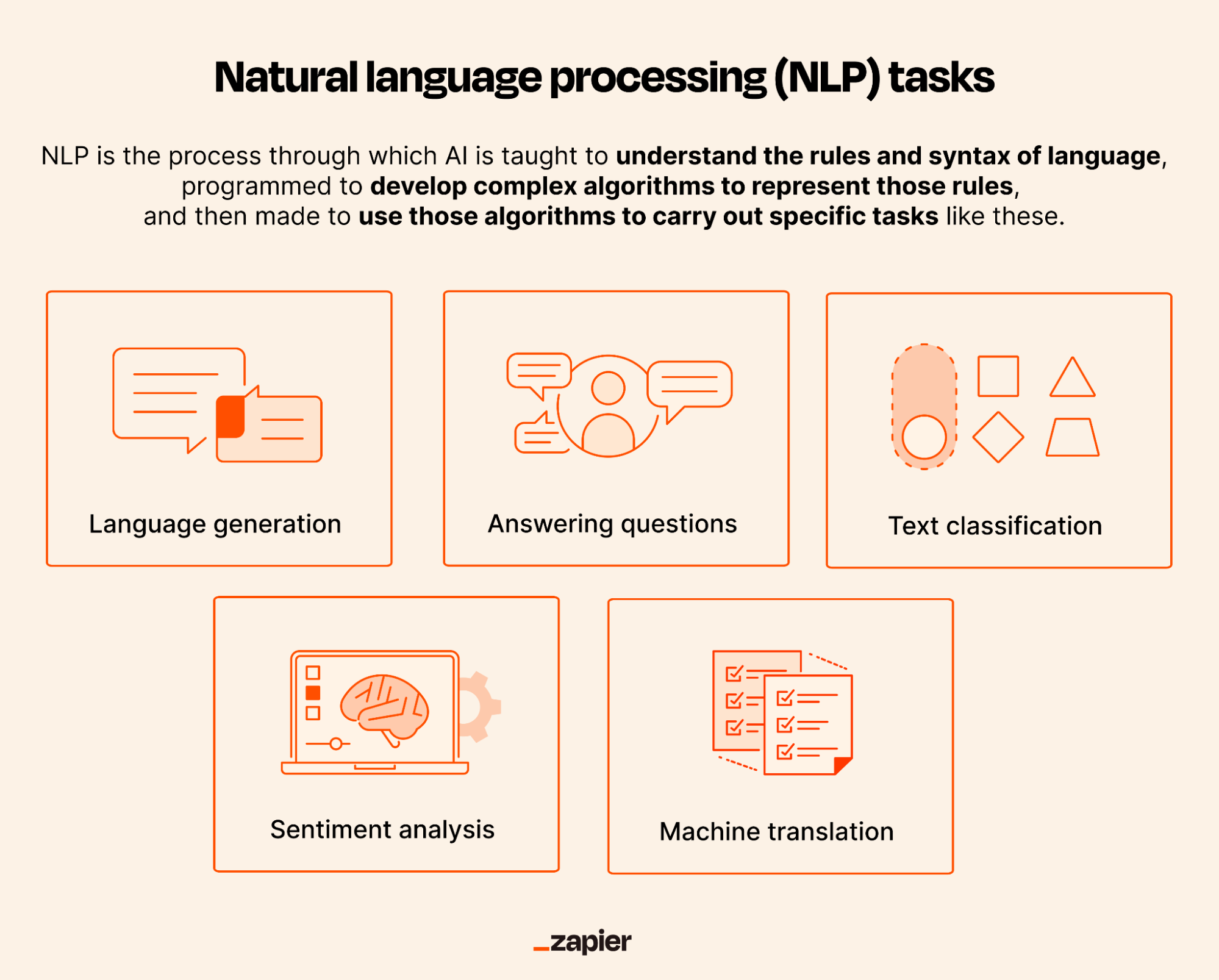
Natural Language Processing (NLP) has revolutionized how machines interact with human language, powering applications like virtual assistants, translation services, and automated content generation. However, misconceptions about its capabilities often lead to unrealistic expectations. Contrary to popular belief, NLP does not fully replicate human linguistic intelligence but excels in specific, well-defined tasks. This article dismantles prevalent myths, providing clarity on what NLP can and cannot achieve.
#History / Background
#Early Developments
The origins of NLP trace back to the 1950s, with early experiments in machine translation and rule-based systems. The Georgetown-IBM experiment in 1954 demonstrated the first automated translation of Russian sentences into English, sparking optimism about rapid advancements. However, progress stalled due to the complexity of language and computational limitations.
#The Rise of Statistical Methods In the 1980s and 1990s, statistical approaches gained prominence, leveraging large datasets to improve language models. Techniques like Hidden Markov Models (HMMs) and n-gram models enabled better speech recognition and part-of-speech tagging. This era marked a shift from rigid rule-based systems to data-driven methodologies.
#The Deep Learning Revolution The 2010s witnessed a paradigm shift with the advent of deep learning. Neural networks, particularly transformers, revolutionized NLP by enabling models like BERT and GPT to achieve near-human performance in tasks such as text generation and sentiment analysis. These advancements fueled both excitement and misconceptions about NLP’s capabilities.
#How It Works
#Core Components NLP systems rely on several key components:
- Tokenization: Breaking text into smaller units (words, phrases, or sentences).
- Syntax Analysis: Parsing the grammatical structure of sentences.
- Semantic Analysis: Understanding the meaning of words and sentences.
- Pragmatic Analysis: Interpreting language in context, including idioms and sarcasm.
#Techniques and Models Modern NLP employs a variety of techniques:
- Rule-Based Systems: Use predefined linguistic rules (e.g., for grammar checking).
- Statistical Models: Rely on probabilities derived from large datasets (e.g., n-grams).
- Neural Networks: Deep learning models, such as Recurrent Neural Networks (RNNs) and Transformers, excel in capturing contextual relationships.
#Challenges Despite progress, NLP faces inherent challenges:
- Ambiguity: Words and phrases often have multiple meanings (e.g., "bank" as a financial institution or river edge).
- Contextual Understanding: Machines struggle with nuanced or domain-specific language.
- Bias and Fairness: Models may perpetuate biases present in training data.
#Important Facts
- NLP is Task-Specific: While models like GPT-4 can generate coherent text, they lack true understanding. Their performance is optimized for specific tasks rather than general intelligence.
- Data Dependency: NLP models require vast amounts of high-quality data. Poor or biased data can lead to inaccurate or harmful outputs.
- Computational Costs: Training large language models demands significant computational resources, limiting accessibility for smaller organizations.
- Ethical Concerns: NLP systems can inadvertently propagate misinformation, hate speech, or discriminatory patterns if not carefully designed.
- Multilingual Limitations: Most NLP models perform best in high-resource languages (e.g., English) and struggle with low-resource languages due to limited training data.
#Timeline
- Foundational ideas
Core concepts and early methods shape Natural Language Processing Myths Debunked.
- Practical use
Tools, examples, and real-world deployments make the topic easier to evaluate.
- Responsible implementation
Current work focuses on reliability, governance, performance, and measurable impact.
#Related Terms
#FAQ
What does Natural Language Processing Myths Debunked cover?
Covers natural language processing myths debunked, including core concepts, practical examples, benefits, limitations, and risks in Language AI.
Why is Natural Language Processing Myths Debunked important?
It helps readers understand key concepts, compare practical use cases, and evaluate how Language AI decisions affect outcomes, risks, and implementation choices.
What should readers verify before applying this topic?
Readers should compare benefits, limitations, data requirements, and related themes such as Natural, Language, Processing before using the ideas in real projects.
#References
- Natural Language Processing Myths Debunked terminology and background research
- Natural Language Processing Myths Debunked use cases, implementation examples, and limitations
- Language AI best practices, standards, and risk guidance
- Natural case studies, benchmarks, and current industry analysis
Comments
No comments yet. Start the discussion with a useful note.