

#Short Answer
Explains how ai is transforming businesses, including the main process, tools, examples, risks, and practical implementation steps.
#Infobox
#Overview
Artificial Intelligence (AI) refers to the simulation of human intelligence in machines programmed to think and learn. In the business context, AI transforms traditional operations by enabling systems to analyze vast datasets, recognize patterns, and make data-driven decisions without human intervention. From automating routine tasks to predicting market trends, AI has become a cornerstone of modern business strategy. Businesses across sectors—retail, healthcare, finance, and manufacturing—are leveraging AI to enhance productivity, reduce operational costs, and deliver superior customer experiences. The integration of AI into business processes is not merely a technological upgrade but a paradigm shift that redefines competitive advantage.
#History / Background
#Early Foundations (1950s–1980s)
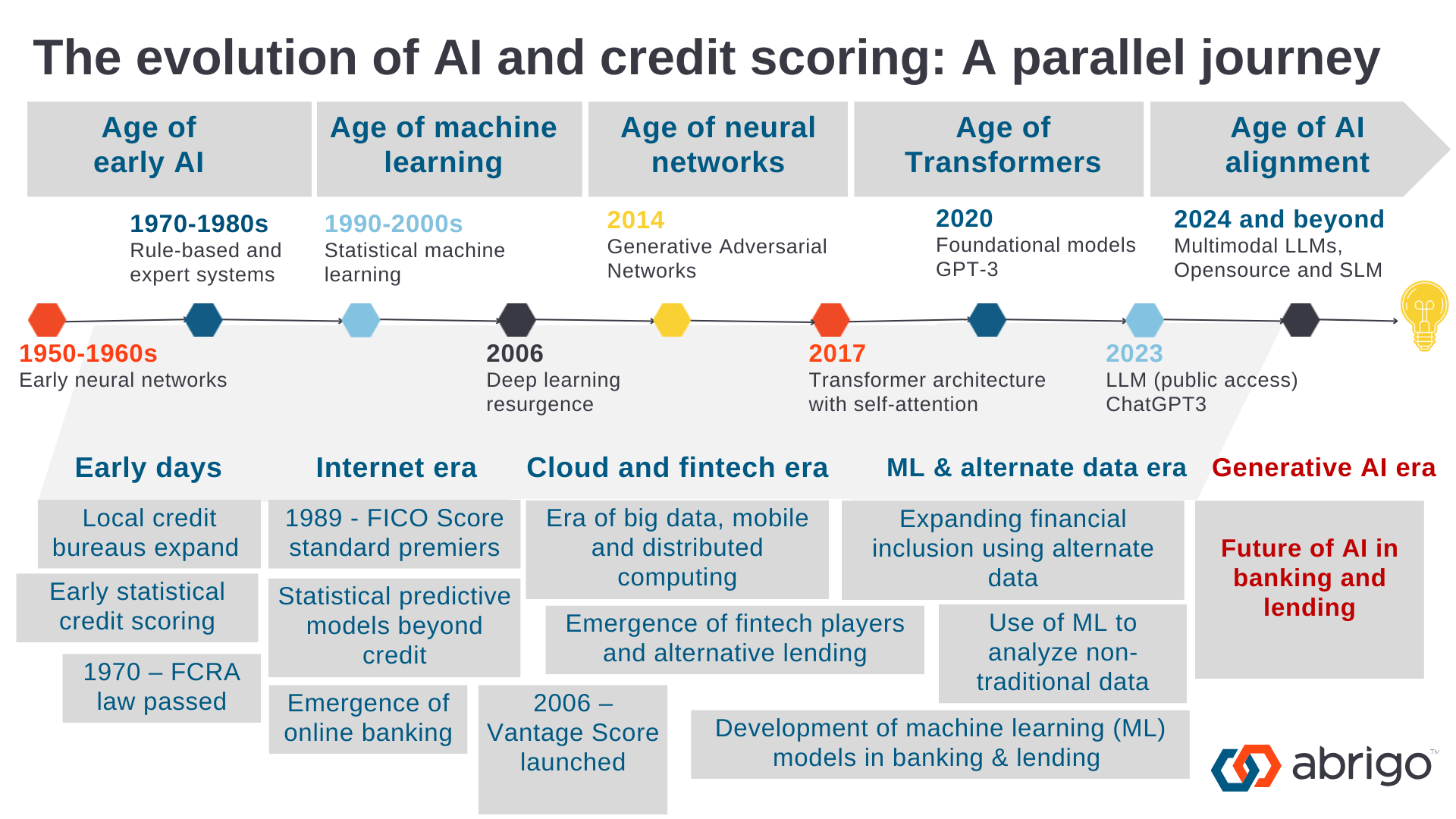
The concept of AI dates back to the 1950s, with pioneers like Alan Turing and John McCarthy laying the groundwork. Turing’s 1950 paper "Computing Machinery and Intelligence" introduced the Turing Test, while McCarthy coined the term "Artificial Intelligence" in 1956. Early AI systems, such as ELIZA (1966), demonstrated basic natural language processing but were limited by computational power.
#The AI Winter (1980s–1990s)
Despite initial enthusiasm, AI research faced setbacks due to overpromised capabilities and underdelivered results. Funding declined during the "AI Winter," a period marked by skepticism and reduced interest in AI technologies.
#Revival and Modern AI (2000s–Present)
The 2000s saw a resurgence of AI driven by advancements in computing power, big data, and algorithmic improvements. Key milestones include:
- 2011: IBM’s Watson defeated human champions in Jeopardy!, showcasing AI’s potential in natural language understanding.
- 2012: The rise of deep learning, popularized by Geoffrey Hinton’s work, enabled breakthroughs in image and speech recognition.
- 2016: Google’s AlphaGo defeated a world champion Go player, demonstrating AI’s ability to master complex strategic games.
- 2020s: AI adoption in businesses accelerated, with tools like chatbots, recommendation systems, and autonomous vehicles becoming mainstream.
#How It Works
#Core Technologies
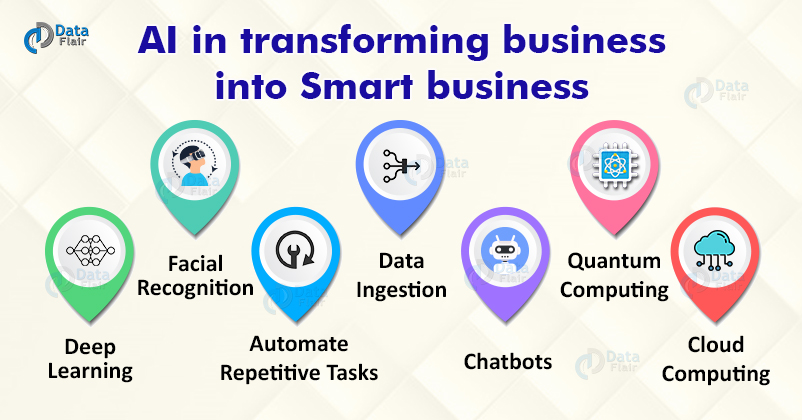
- Machine Learning (ML) - AI systems learn from data without explicit programming. Supervised learning uses labeled data to make predictions, while unsupervised learning identifies hidden patterns.
- Example: Netflix’s recommendation engine analyzes user behavior to suggest personalized content.
- Deep Learning - A subset of ML, deep learning uses neural networks with multiple layers to process complex data (e.g., images, speech).
- Example: Tesla’s Autopilot uses deep learning to interpret real-time visual data for autonomous driving.
- Natural Language Processing (NLP) - Enables machines to understand and generate human language. Applications include chatbots (e.g., customer service) and sentiment analysis.
- Example: Amazon’s Alexa processes voice commands using NLP.
- Computer Vision - AI systems interpret visual data from images or videos. Used in facial recognition, quality control in manufacturing, and medical imaging.
- Example: Walmart uses computer vision to monitor store shelves for stock levels.
- Robotic Process Automation (RPA) - Automates repetitive tasks (e.g., data entry, invoice processing) by mimicking human interactions with software.
- Example: Banks use RPA to streamline loan approval processes.
#Business Applications
- Customer Service: AI-powered chatbots (e.g., Zendesk’s Answer Bot) handle inquiries 24/7, reducing response times.
- Supply Chain Optimization: AI predicts demand, optimizes routes, and detects supply chain disruptions (e.g., Maersk’s AI-driven logistics).
- Marketing: AI analyzes consumer behavior to personalize ads (e.g., Google Ads’ automated bidding).
- Finance: Fraud detection systems (e.g., PayPal’s AI) identify suspicious transactions in real time.
- Human Resources: AI tools (e.g., HireVue) screen resumes and conduct initial job interviews.
#Important Facts
- Economic Impact - AI is projected to contribute $15.7 trillion to the global economy by 2030 (PwC). - Businesses using AI report a 40% reduction in operational costs (McKinsey).
- Adoption Rates
- 37% of organizations have implemented AI in some form (Gartner, 2023). - The healthcare and finance sectors lead AI adoption, followed by retail and manufacturing.
- Job Market - AI is expected to create 97 million new jobs by 2025 (World Economic Forum). - Roles like AI specialists, data scientists, and robotics engineers are among the fastest-growing.
- Ethical Concerns
- Bias in AI: Algorithms trained on biased data can perpetuate discrimination (e.g., hiring tools favoring certain demographics).
- Privacy Issues: AI systems often require vast amounts of personal data, raising concerns about surveillance and misuse.
- Future Trends
- Hyper-automation: Combining AI with robotic process automation (RPA) to automate entire workflows.
- Explainable AI (XAI): Developing AI systems that provide transparent decision-making processes.
- Edge AI: Processing data locally (e.g., IoT devices) to reduce latency and improve privacy.
#Timeline
- Foundational ideas
Core concepts and early methods shape How AI Is Transforming Businesses.
- Practical use
Tools, examples, and real-world deployments make the topic easier to evaluate.
- Responsible implementation
Current work focuses on reliability, governance, performance, and measurable impact.
#Related Terms
#FAQ
What does How AI Is Transforming Businesses cover?
Explains how ai is transforming businesses, including the main process, tools, examples, risks, and practical implementation steps.
Why is How AI Is Transforming Businesses important?
It helps readers understand key concepts, compare practical use cases, and evaluate how Business & Marketing decisions affect outcomes, risks, and implementation choices.
What should readers verify before applying this topic?
Readers should compare benefits, limitations, data requirements, and related themes such as AI, Transforming, Businesses before using the ideas in real projects.
#References
- How AI Is Transforming Businesses terminology and background research
- How AI Is Transforming Businesses use cases, implementation examples, and limitations
- Business & Marketing best practices, standards, and risk guidance
- AI case studies, benchmarks, and current industry analysis

Comments
No comments yet. Start the discussion with a useful note.