


#Short Answer
AI in compliance uses advanced algorithms to automate regulatory monitoring, detect anomalies, and ensure adherence to laws such as GDPR, SOX, and AML directives. It enhances decision-making, reduces manual workload, and improves accuracy in risk management and reporting.
#Infobox
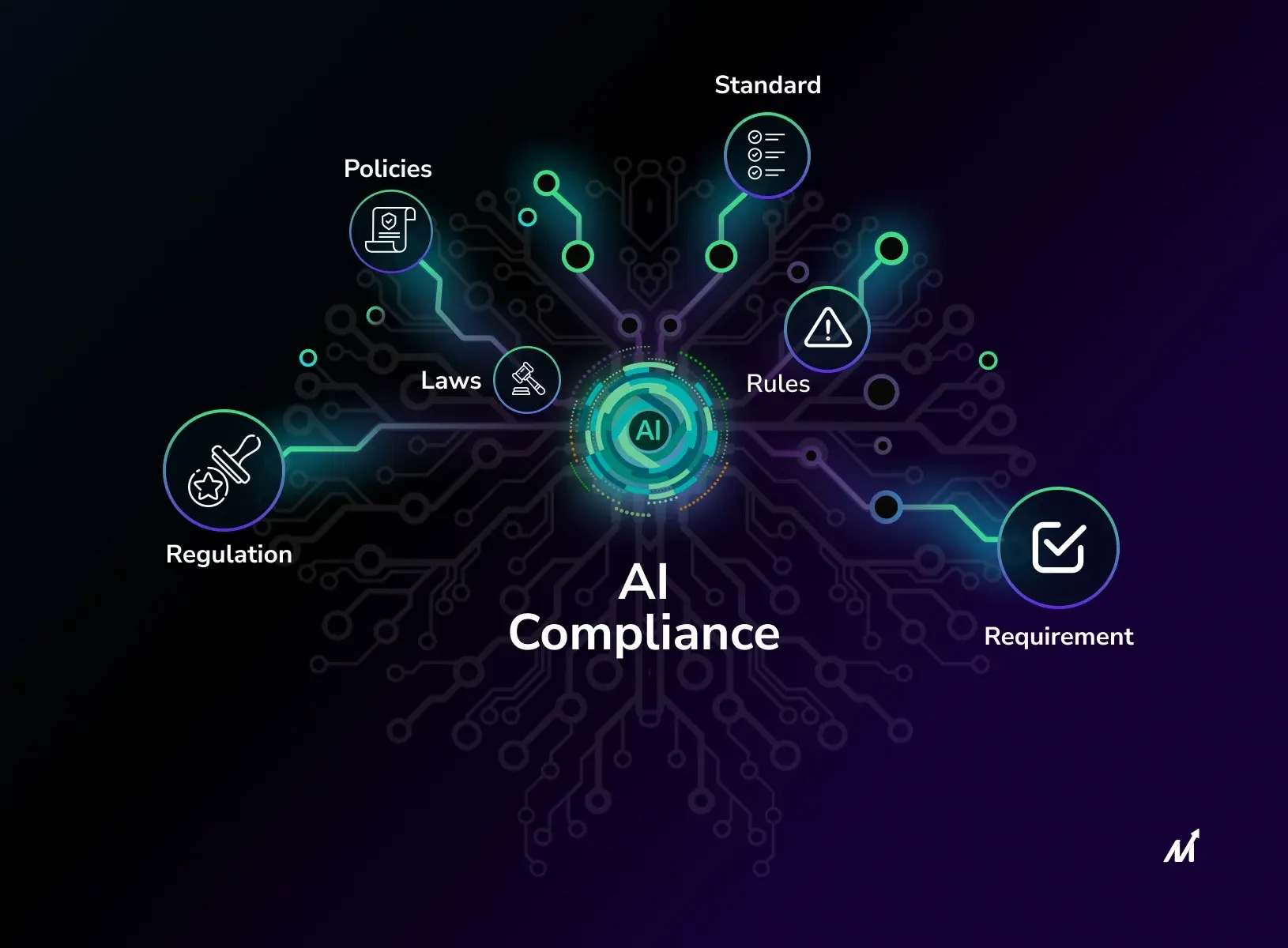
Artificial intelligence (AI) in compliance refers to the application of machine learning, natural language processing, and other AI technologies to automate, enhance, and enforce regulatory adherence across industries. It enables organizations to meet legal, financial, and operational standards efficiently while reducing human error and operational costs.
#Overview
AI-driven compliance systems are transforming how organizations meet regulatory requirements by leveraging automation and intelligent data processing. These systems analyze vast datasets in real time, identify compliance gaps, and generate actionable insights to mitigate risks. The integration of AI into compliance frameworks supports industries such as finance, healthcare, and corporate governance by ensuring transparency, reducing fraud, and streamlining reporting processes.
Key AI technologies used in compliance include:
- Machine Learning (ML): Identifies patterns in historical data to predict compliance risks and anomalies.
- Natural Language Processing (NLP): Extracts and interprets regulatory texts, contracts, and communications to detect non-compliance.
- Robotic Process Automation (RPA): Automates repetitive tasks such as data entry, report generation, and document verification.
- Predictive Analytics: Forecasts potential compliance breaches based on trends and historical data.
#History / Background
The concept of AI in compliance emerged alongside the growth of regulatory technology (RegTech) in the early 21st century. The 2008 financial crisis highlighted the need for more robust risk management and reporting mechanisms, prompting financial institutions to adopt automated solutions. Early compliance tools relied on rule-based systems, which were limited in scalability and adaptability.
With advancements in AI, particularly in machine learning and NLP, compliance systems evolved to handle unstructured data and dynamic regulatory environments. The introduction of the General Data Protection Regulation (GDPR) in 2018 and the Bank Secrecy Act (BSA) in the U.S. further accelerated the adoption of AI-driven compliance solutions. Today, AI is a cornerstone of modern regulatory frameworks, enabling organizations to navigate complex compliance landscapes efficiently.
#How It Works
AI-powered compliance systems operate through a multi-stage process that combines data ingestion, analysis, and actionable output. The workflow typically includes:
#Data Collection and Integration
Compliance systems aggregate data from multiple sources, including transaction records, emails, contracts, and regulatory filings. AI tools use APIs, web scraping, and database connectors to consolidate unstructured and structured data into a unified format.
#Natural Language Processing for Regulatory Texts
NLP algorithms parse regulatory documents, such as laws, guidelines, and internal policies, to extract key requirements. These algorithms can identify changes in regulations, compare them against existing compliance frameworks, and flag discrepancies.
#Machine Learning for Risk Assessment
ML models analyze historical compliance data to identify patterns associated with violations or fraud. Supervised learning algorithms train on labeled datasets to classify transactions or behaviors as high-risk or compliant. Unsupervised learning detects anomalies in real time, such as unusual transaction volumes or atypical user behavior.
#Automated Reporting and Alerts
AI systems generate automated reports for regulatory bodies, such as financial disclosures or audit trails. They also send alerts when potential compliance breaches are detected, enabling organizations to take corrective action promptly.
#Continuous Monitoring and Adaptation
AI compliance tools continuously update their models based on new regulations, industry trends, and emerging risks. This adaptive capability ensures that organizations remain compliant even as regulatory landscapes evolve.
#Important Facts
- AI can reduce compliance costs by up to 30% by automating manual processes and minimizing human error.
- The global RegTech market, which includes AI compliance solutions, is projected to reach $127.6 billion by 2030.
- AI-powered KYC (Know Your Customer) systems can process customer verification 10 times faster than traditional methods.
- Over 60% of financial institutions use AI for fraud detection and anti-money laundering (AML) compliance.
- GDPR compliance requires organizations to process personal data transparently, making AI-driven data mapping and consent management tools essential.
#Timeline
- The broader category of technology solutions designed to streamline regulatory compliance.
- Regulations and tools aimed at preventing financial crimes through transaction monitoring.
- Customer identification and verification processes required by financial regulations.
- EU legislation governing data privacy and compliance.
- U.S. law mandating financial reporting transparency and accountability.
- Automation of repetitive tasks to improve compliance efficiency.
- Using AI to forecast and prevent compliance breaches before they occur.
#Related Terms
#FAQ
What does AI And Compliance: Meeting Standards cover?
Explores how artificial intelligence shapes compliance and meeting standards, covering practical use cases, benefits, limitations, and risks.
Why is AI And Compliance: Meeting Standards important?
It helps readers understand key concepts, compare practical use cases, and evaluate how AI Ethics decisions affect outcomes, risks, and implementation choices.
What should readers verify before applying this topic?
Readers should compare the benefits, limitations, data requirements, and related themes such as Compliance, Meeting, Standard before using the ideas in real projects.
#References
- AI And Compliance: Meeting Standards terminology and background research
- AI And Compliance: Meeting Standards use cases, implementation examples, and limitations
- AI Ethics best practices, standards, and risk guidance
- Compliance case studies, benchmarks, and current industry analysis
Comments
No comments yet. Start the discussion with a useful note.