

#Short Answer
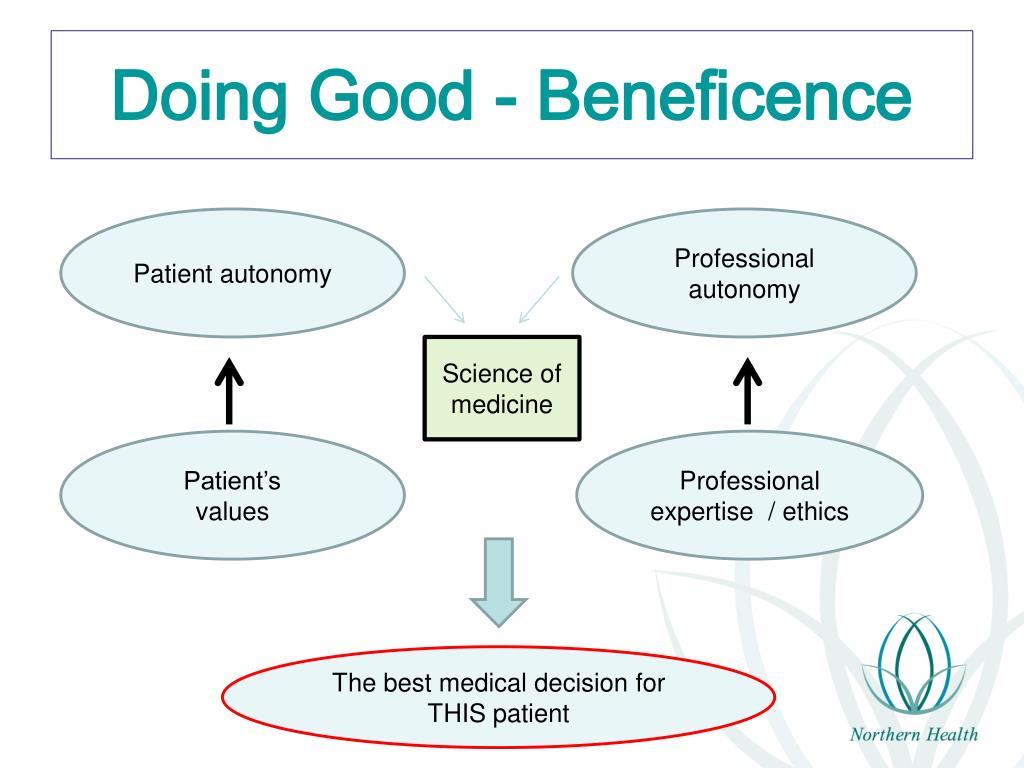
Beneficence in the context of artificial intelligence (AI) is a foundational ethical principle that guides the development and deployment of AI systems to ensure they act in the best interest of humanity. Unlike traditional AI applications that focus solely on efficiency or performance, beneficent AI prioritizes outcomes that enhance societal welfare, reduce inequalities, and prevent harm. This approach is particularly critical as AI systems increasingly influence areas such as healthcare, finance, criminal justice, and employment, where decisions can have profound impacts on individuals' lives.
#Infobox
#Overview
Beneficence in the context of artificial intelligence (AI) is a foundational ethical principle that guides the development and deployment of AI systems to ensure they act in the best interest of humanity. Unlike traditional AI applications that focus solely on efficiency or performance, beneficent AI prioritizes outcomes that enhance societal welfare, reduce inequalities, and prevent harm. This approach is particularly critical as AI systems increasingly influence areas such as healthcare, finance, criminal justice, and employment, where decisions can have profound impacts on individuals' lives.
The concept of beneficence in AI is closely tied to broader discussions in AI ethics, which seek to address challenges such as algorithmic bias, privacy violations, and the potential for autonomous systems to cause unintended consequences. By embedding beneficence into AI design, developers aim to create systems that not only perform tasks accurately but also contribute to the greater good. This involves incorporating ethical frameworks, stakeholder engagement, and continuous evaluation to ensure AI systems remain aligned with human values over time.
#History / Background
The roots of beneficence in AI can be traced back to early discussions on machine ethics and the moral responsibilities of intelligent systems. In the 1940s and 1950s, pioneers like Alan Turing and Isaac Asimov began exploring the ethical implications of artificial intelligence. Asimov's Three Laws of Robotics, introduced in his 1942 short story Runaround, laid the groundwork for considering how machines might prioritize human safety and well-being.
In the late 20th century, philosophers and computer scientists such as Joseph Weizenbaum and Terrell Bynum expanded these discussions, emphasizing the need for ethical guidelines in AI development. The 21st century has seen a surge in interest due to the rapid advancement of AI technologies and their integration into critical societal functions. Reports such as the Asilomar AI Principles (2017), developed by the Future of Life Institute, explicitly include beneficence as a core tenet, calling for AI systems that are beneficial to all of humanity.
#How It Works
Implementing beneficence in AI involves a multi-faceted approach that integrates ethical considerations into every stage of the AI lifecycle, from design to deployment. The following are key strategies used to ensure AI systems act in a beneficent manner:
- Ethical AI Frameworks: Developers adopt ethical frameworks such as utilitarianism, deontological ethics, or virtue ethics to guide decision-making. These frameworks help define what constitutes "good" outcomes and how to prioritize them.
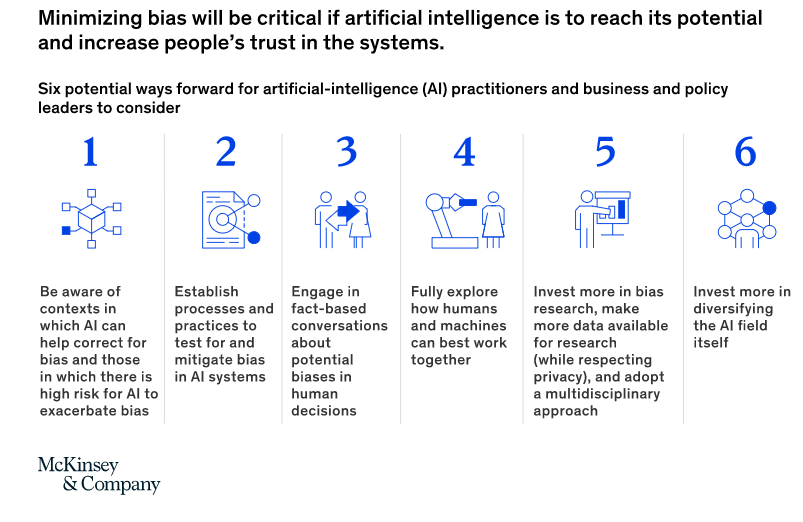
- Fairness and Bias Mitigation: Beneficent AI requires addressing biases in training data and algorithms to prevent discriminatory outcomes. Techniques such as fairness-aware machine learning and bias mitigation are employed to ensure equitable treatment across different demographic groups.
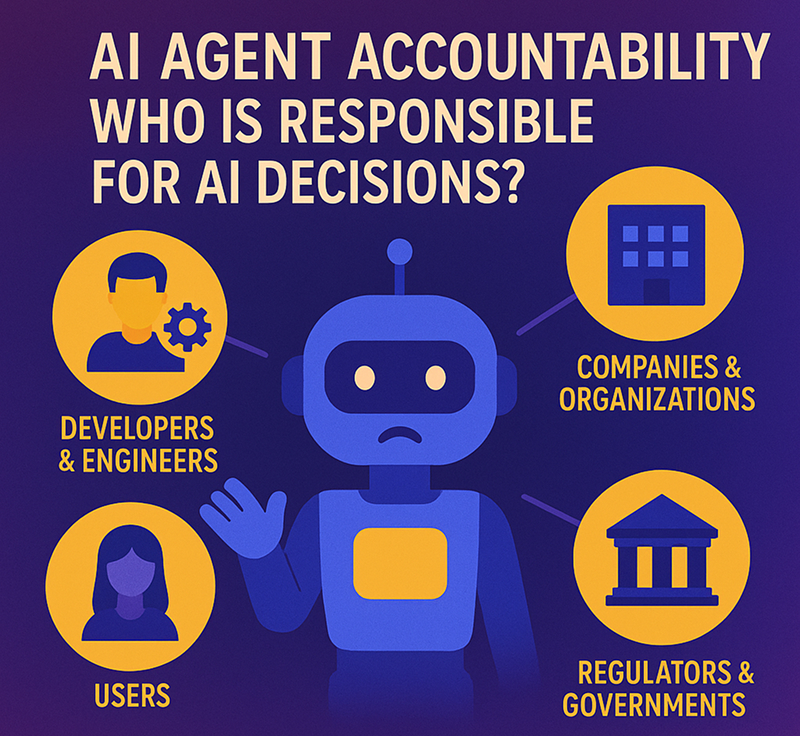
- Transparency and Explainability: AI systems must be designed to provide clear explanations for their decisions, enabling users and stakeholders to understand how outcomes are reached. This transparency fosters trust and allows for accountability when harm occurs.
- Human Oversight: Beneficent AI often incorporates mechanisms for human oversight, where critical decisions are reviewed or approved by humans. This ensures that AI systems do not operate in isolation and can be corrected if they deviate from ethical guidelines.
- Impact Assessments: Before deployment, AI systems undergo rigorous impact assessments to evaluate potential risks and benefits. These assessments consider factors such as privacy, security, and societal consequences, ensuring that AI systems contribute positively to their intended domains.
- Stakeholder Engagement: Engaging with diverse stakeholders, including affected communities, ethicists, and policymakers, helps ensure that AI systems are developed with a broad understanding of societal needs and values.
#Important Facts
- Beneficence vs. Non-Maleficence: While beneficence focuses on actively promoting good, non-maleficence emphasizes avoiding harm. Both principles are essential in AI ethics, but beneficence goes further by requiring proactive contributions to well-being.
- Global Initiatives: Organizations such as the IEEE Standards Association and the European Commission have developed guidelines and regulations to promote beneficent AI, such as the Ethics Guidelines for Trustworthy AI (2019).
- Challenges in Implementation: One of the primary challenges in implementing beneficent AI is the subjective nature of "good" outcomes. Different cultures, individuals, and contexts may have varying definitions of what constitutes a beneficial outcome, making it difficult to create universally applicable ethical guidelines.
- AI in Healthcare: Beneficent AI has significant applications in healthcare, where AI systems are used to diagnose diseases, recommend treatments, and manage patient care. For example, AI-powered diagnostic tools can improve early detection of conditions like cancer, thereby saving lives.
- Autonomous Vehicles: The development of self-driving cars raises ethical questions about how AI should prioritize decisions in life-threatening situations. Beneficent AI in this context involves designing systems that minimize harm and prioritize the safety of all road users.
- AI and Social Good: Initiatives such as AI for Good leverage AI technologies to address global challenges, including poverty, climate change, and education. These projects demonstrate the potential of beneficent AI to create positive societal impact.
#Timeline
- Isaac Asimov introduces the
Isaac Asimov introduces the [Three Laws of Robotics](# 'Three Laws of Robotics') in *Runaround*, laying early groundwork for ethical AI.
- Alan Turing publishes *Computi
Alan Turing publishes *Computing Machinery and Intelligence*, discussing the potential for machines to exhibit intelligent behavior and the ethical implications thereof.
- Joseph Weizenbaum publishes *C
Joseph Weizenbaum publishes *Computer Power and Human Reason*, arguing against the uncritical acceptance of AI systems in decision-making.
- The Open Letter on
The [Open Letter on Artificial Intelligence](# 'Open Letter on Artificial Intelligence') is signed by thousands of researchers, calling for research into the societal impacts of AI.
- The Asilomar AI Principles
The [Asilomar AI Principles](# 'Asilomar AI Principles') are published, including beneficence as a core principle for AI development.
- The European Commission releas
The European Commission releases its *Ethics Guidelines for Trustworthy AI*, emphasizing beneficence, fairness, and transparency.
- The IEEE Global Initiative
The [IEEE Global Initiative on Ethics of Autonomous and Intelligent Systems](# 'IEEE Global Initiative on Ethics of Autonomous and Intelligent Systems') releases the *Ethically Aligned Design* document, providing comprehensive guidelines for beneficent AI.
- The UNESCO adopts the
The [UNESCO](# 'United Nations Educational, Scientific and Cultural Organization') adopts the *Recommendation on the Ethics of Artificial Intelligence*, which includes beneficence as a key principle.
#Related Terms
#FAQ
What does AI And Beneficence: Doing Good cover?
Explores how artificial intelligence shapes beneficence and doing good, covering practical use cases, benefits, limitations, and risks.
Why is AI And Beneficence: Doing Good important?
It helps readers understand key concepts, compare practical use cases, and evaluate how AI Ethics decisions affect outcomes, risks, and implementation choices.
What should readers verify before applying this topic?
Readers should compare the benefits, limitations, data requirements, and related themes such as Beneficence, Doing, Good before using the ideas in real projects.
#References
- AI And Beneficence: Doing Good terminology and background research
- AI And Beneficence: Doing Good use cases, implementation examples, and limitations
- AI Ethics best practices, standards, and risk guidance
- Beneficence case studies, benchmarks, and current industry analysis


Comments
No comments yet. Start the discussion with a useful note.