

#Short Answer
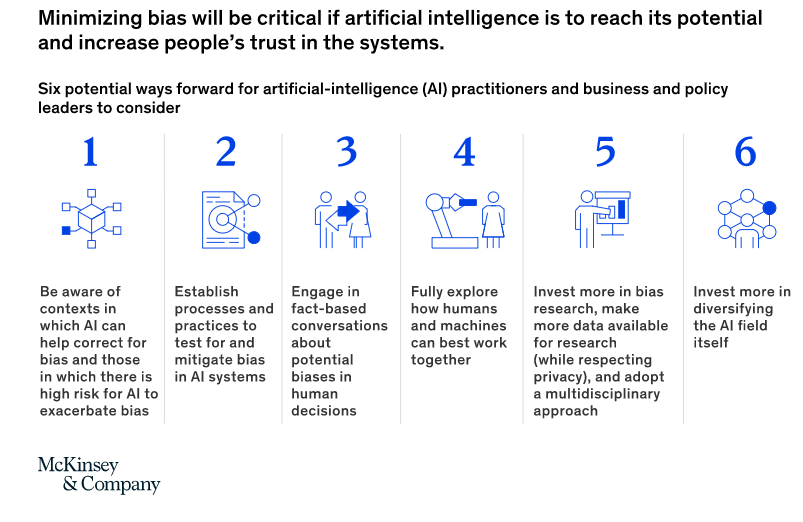
AI bias occurs when artificial intelligence systems produce unfair or discriminatory outcomes due to flawed data, algorithms, or design choices. Addressing bias involves improving data quality, diversifying training datasets, implementing fairness-aware algorithms, and establishing regulatory oversight to ensure equitable AI systems.
#Infobox
#Overview
Artificial Intelligence (AI) bias refers to the systematic errors in AI systems that result in unfair or discriminatory outcomes against certain groups or individuals. These biases can manifest in various forms, including racial, gender, socioeconomic, and cultural discrimination. As AI systems become increasingly integrated into critical decision-making processes—such as hiring, lending, law enforcement, and healthcare—the consequences of unchecked bias can be severe, perpetuating existing societal inequalities and eroding public trust in technology.
Addressing AI bias is not merely a technical challenge but also a societal imperative. It requires a multifaceted approach that includes improving data quality, diversifying training datasets, implementing fairness-aware algorithms, and establishing regulatory oversight. The goal is to create AI systems that are not only accurate but also equitable, transparent, and accountable.
#How It Works
#Sources of AI Bias
AI bias typically arises from one or more of the following sources:
- Selection Bias: Occurs when the training data does not represent the real-world population, leading to skewed outcomes. For example, if a facial recognition system is trained primarily on images of light-skinned individuals, it will perform poorly on darker-skinned individuals.
- Measurement Bias: Arises from flawed data collection methods that systematically underrepresent or misrepresent certain groups. For instance, historical crime data used to train predictive policing algorithms may reflect biased policing practices rather than actual crime rates.
- Algorithmic Bias: Results from the design of the AI model itself, where the algorithm prioritizes certain features or patterns that inadvertently disadvantage specific groups. For example, an AI hiring tool might favor resumes with names commonly associated with a particular gender or ethnicity.
- Historical Bias: Reflects existing societal inequalities embedded in historical data. For example, if historical hiring data shows a preference for male candidates in certain fields, an AI hiring tool trained on this data may perpetuate this bias.
#Types of AI Bias
AI bias can be categorized into several types, each with distinct characteristics and implications:
- Demographic Bias: Disparities in AI performance across different demographic groups, such as race, gender, or age.
- Socioeconomic Bias: Bias that disproportionately affects individuals based on their socioeconomic status, such as in loan approval algorithms.
- Cultural Bias: Bias that arises from cultural differences in data representation, such as language models trained primarily on English-language data.
- Confirmation Bias: When AI systems are designed to confirm preexisting beliefs or assumptions, leading to skewed outcomes.
#Methods to Address AI Bias
Addressing AI bias requires a combination of technical, organizational, and regulatory strategies:
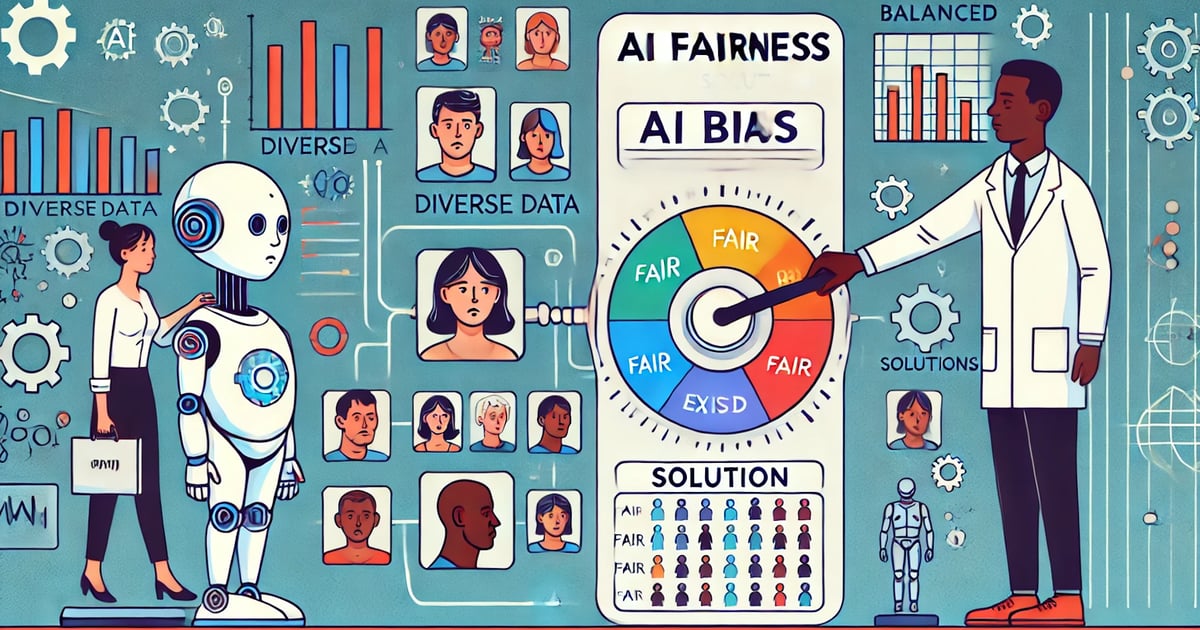
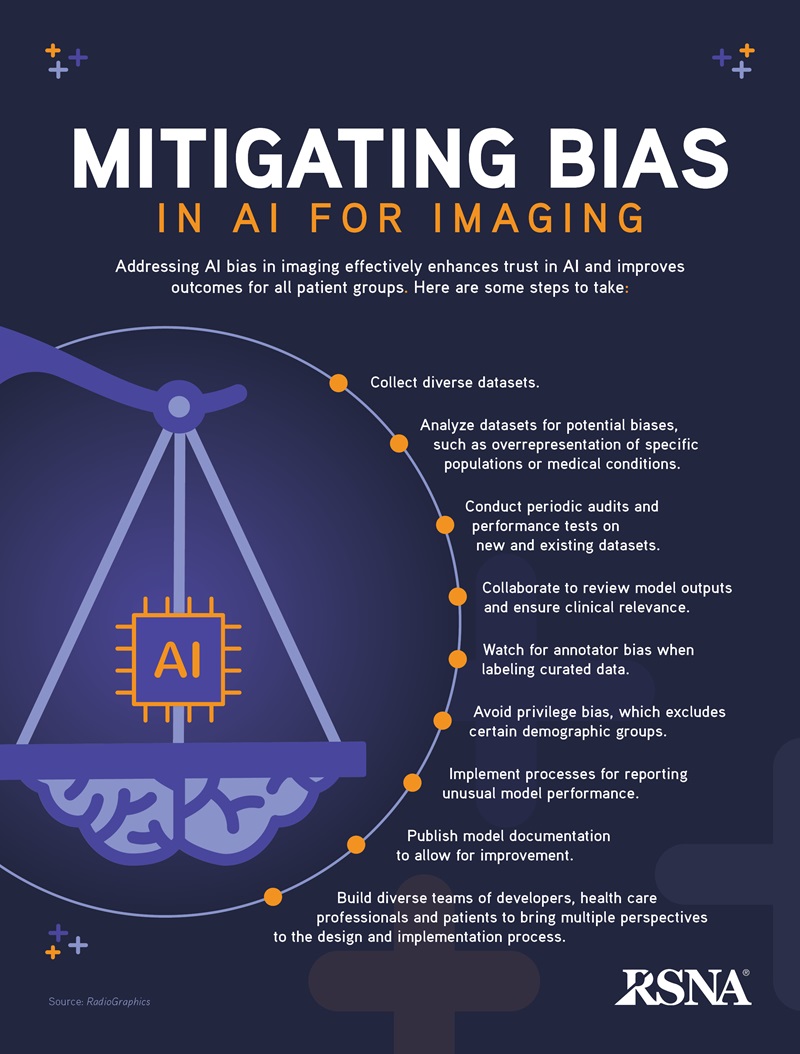
- Data Augmentation: Expanding training datasets to include more diverse and representative samples, reducing selection bias.
- Fairness-Aware Algorithms: Developing algorithms that explicitly account for fairness metrics, such as demographic parity or equalized odds.
- Bias Audits: Regularly evaluating AI systems for bias using tools like fairness metrics, adversarial testing, and third-party audits.
- Explainable AI (XAI): Implementing techniques to make AI decisions more transparent and interpretable, helping identify and mitigate bias.
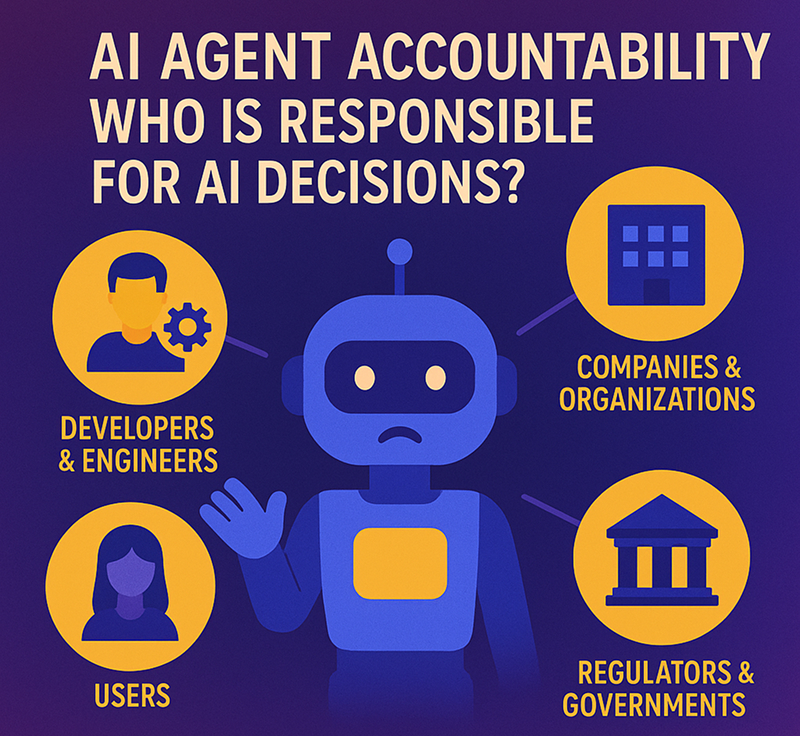
- Regulatory Frameworks: Enforcing laws and guidelines that require companies to assess and report on the fairness of their AI systems.
#Important Facts
- AI Bias is Pervasive: Studies have shown that AI systems can exhibit bias across a wide range of applications, including facial recognition, hiring, lending, and criminal justice.
- Bias Can Be Unintentional: Even well-intentioned developers may unknowingly introduce bias into AI systems through flawed data or algorithmic design choices.
- Bias Amplifies Inequality: AI bias can reinforce existing societal inequalities, disproportionately affecting marginalized communities.
- Fairness is Context-Dependent: What constitutes fairness in one context may not apply to another, making it challenging to develop universally applicable fairness metrics.
- Regulation is Evolving: Governments worldwide are increasingly recognizing the need for AI regulation, but standardized frameworks are still in development.
- Ethical AI Requires Collaboration: Addressing AI bias requires collaboration between technologists, policymakers, ethicists, and affected communities.
- Bias Detection Tools are Limited: While tools like IBM’s AI Fairness 360 and Google’s What-If Tool can help detect bias, they are not foolproof and require human oversight.
- Public Awareness is Growing: High-profile cases of AI bias, such as biased facial recognition systems and discriminatory hiring algorithms, have increased public awareness and demand for accountability.
#Timeline
- U.S. Department of Commerce
U.S. Department of Commerce study highlights racial bias in facial recognition systems.
- Joy Buolamwini and Timnit
Joy Buolamwini and Timnit Gebru publish *Gender Shades*, exposing gender and racial bias in commercial facial recognition systems.
- Cathy O’Neil’s *Weapons of
Cathy O’Neil’s *Weapons of Math Destruction* is published, highlighting the societal impact of biased algorithms.
- European Union enacts the
European Union enacts the *General Data Protection Regulation (GDPR)*, including provisions for algorithmic transparency.
- Proposal of the *Algorithmic
Proposal of the *Algorithmic Accountability Act* in the United States to require bias assessments for AI systems.
- Google releases *Model Cards*
Google releases *Model Cards*, a framework for documenting AI model performance across different demographic groups.
- IBM releases *AI Fairness
IBM releases *AI Fairness 360*, an open-source toolkit for detecting and mitigating bias in AI systems.
- European Union proposes the
European Union proposes the *Artificial Intelligence Act*, a comprehensive regulatory framework for AI systems.
- Multiple U.S. states, includin
Multiple U.S. states, including Colorado and California, pass laws requiring bias audits for high-risk AI systems.
#Related Terms
#FAQ
What does AI And Bias: How To Address It cover?
Examines key questions about AI and bias, including current uses, likely impacts, benefits, limitations, and risks.
Why is AI And Bias: How To Address It important?
It helps readers understand key concepts, compare practical use cases, and evaluate how AI Ethics decisions affect outcomes, risks, and implementation choices.
What should readers verify before applying this topic?
Readers should compare the benefits, limitations, data requirements, and related themes such as Tutorial, Bias, Addres before using the ideas in real projects.
#References
- AI And Bias: How To Address It terminology and background research
- AI And Bias: How To Address It use cases, implementation examples, and limitations
- AI Ethics best practices, standards, and risk guidance
- Tutorial case studies, benchmarks, and current industry analysis

Comments
No comments yet. Start the discussion with a useful note.