


#Short Answer
Artificial intelligence (AI) systems increasingly influence critical decisions in finance, healthcare, criminal justice, and employment. However, when these systems exhibit bias—whether intentional or unintentional—they can reinforce discrimination, undermine trust in technology, and exacerbate social inequalities. AI bias manifests in various forms, including selection bias (skewed data collection), algorithmic bias (flawed model design), and measurement bias (inaccurate data labeling).
#Infobox
#Overview
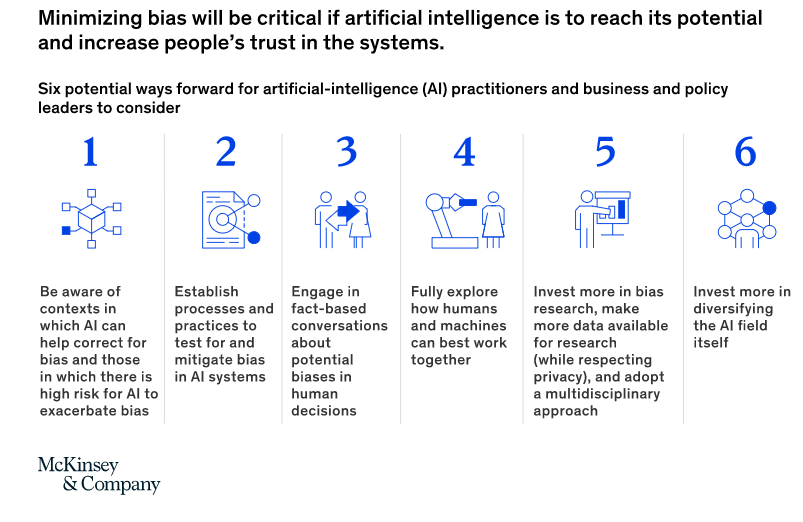
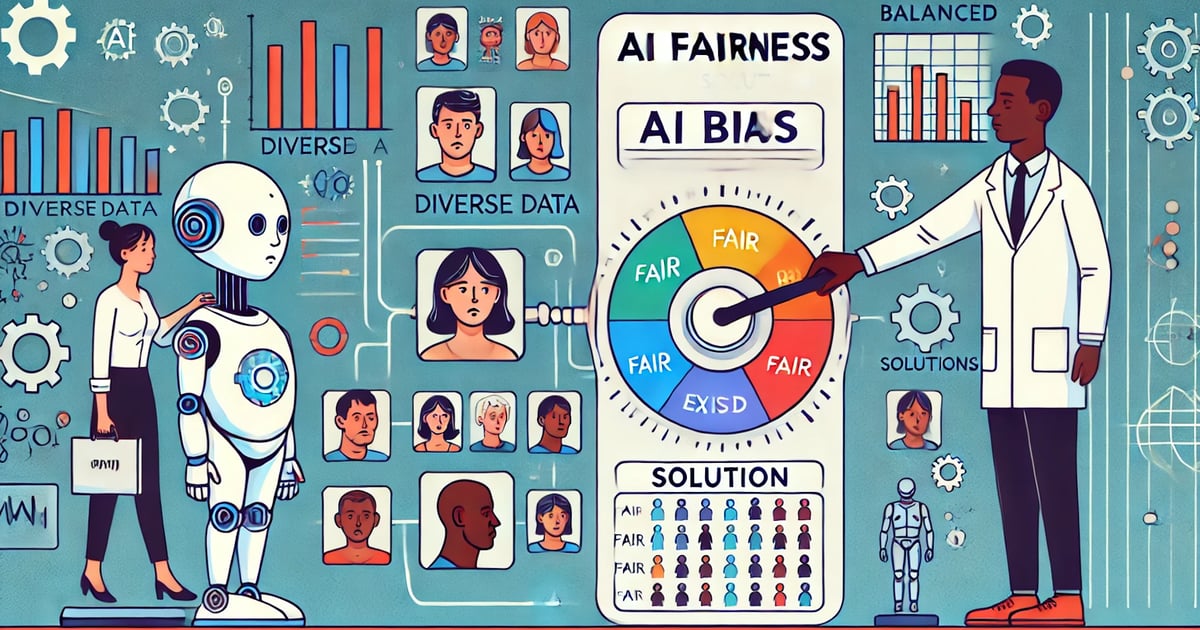
Artificial intelligence (AI) systems increasingly influence critical decisions in finance, healthcare, criminal justice, and employment. However, when these systems exhibit bias—whether intentional or unintentional—they can reinforce discrimination, undermine trust in technology, and exacerbate social inequalities. AI bias manifests in various forms, including selection bias (skewed data collection), algorithmic bias (flawed model design), and measurement bias (inaccurate data labeling).
For example, facial recognition systems have shown higher error rates for women and people of color, while hiring algorithms may favor candidates from certain educational backgrounds or geographic regions. The consequences of unchecked AI bias extend beyond ethical concerns, potentially leading to legal challenges, financial penalties, and reputational harm for organizations deploying biased systems.
#History / Background
The study of bias in automated decision-making predates modern AI, tracing back to early computer science research in the 1960s and 1970s. One of the first documented cases involved automated credit scoring systems, which disproportionately denied loans to minority applicants due to biased historical data. The term "algorithmic bias" gained prominence in the 2010s as AI systems became more pervasive in high-stakes domains.
Key milestones in the evolution of AI bias awareness include:
- 2015: Google Photos mistakenly labeled Black individuals as "gorillas," highlighting racial bias in image recognition.
- 2016: ProPublica's investigation revealed that the COMPAS algorithm, used in U.S. courts to predict recidivism, was biased against Black defendants.
- 2018: Amazon scrapped an AI hiring tool that downgraded resumes containing the word "women's," reflecting gender bias in recruitment.
- 2020: The COVID-19 pandemic exposed biases in AI-driven healthcare tools, such as pulse oximeters that performed poorly on darker skin tones.
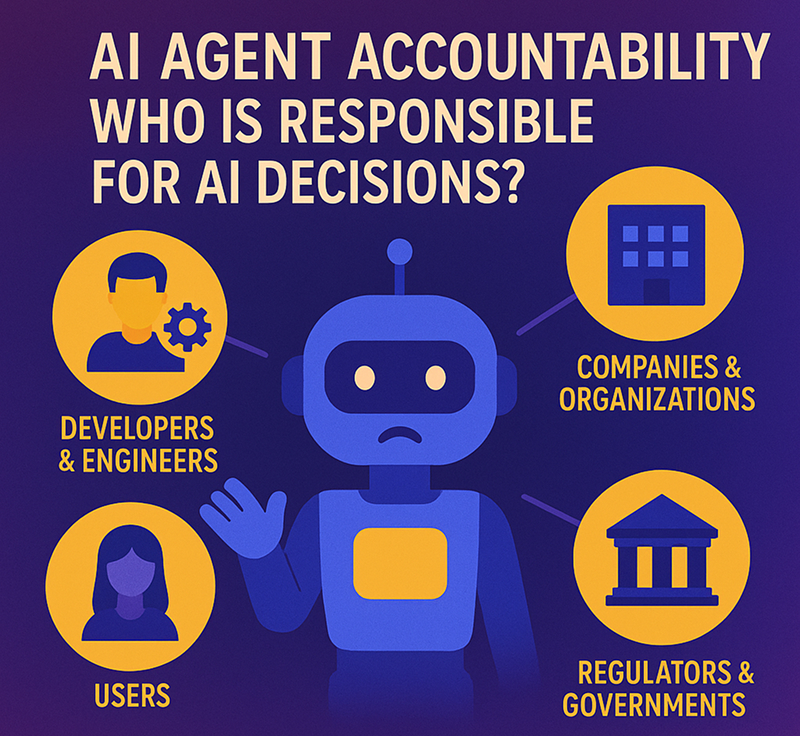
Governments and regulatory bodies have since responded with guidelines and legislation, such as the EU Artificial Intelligence Act and the U.S. Algorithmic Accountability Act, to mandate fairness assessments in AI systems.
#How It Works
#Sources of Bias
- Data Bias:
- Historical Bias: Training data reflects past societal prejudices (e.g., underrepresentation of certain groups in medical datasets).
- Sampling Bias: Data collected from non-representative sources (e.g., facial recognition datasets skewed toward lighter-skinned individuals).
- Label Bias: Human annotators introduce subjective judgments (e.g., labeling "aggressive" behavior differently based on race or gender).
- Algorithmic Bias:
- Feature Selection: Irrelevant or proxy variables (e.g., ZIP codes correlating with race) can lead to discriminatory outcomes.
- Optimization Goals: Models prioritizing accuracy over fairness may ignore subgroup performance disparities.
- Black Box Nature: Lack of transparency in deep learning models makes it difficult to detect hidden biases.
- Societal and Structural Bias:
- Biases embedded in societal norms (e.g., gender stereotypes in job advertisements) are replicated by AI systems.
- Power imbalances in data collection (e.g., surveillance technologies disproportionately targeting marginalized communities).
#Types of AI Bias
#Important Facts
- Prevalence: A 2023 study by the AI Now Institute found that 80% of AI systems deployed in hiring, lending, and criminal justice exhibit measurable bias.
- Economic Impact: Biased AI systems cost businesses an estimated $300 billion annually in legal settlements, lost productivity, and reputational damage (McKinsey, 2022).
- Legal Risks: The EU AI Act (2024) classifies high-risk AI systems (e.g., hiring tools) as requiring mandatory bias audits, with fines up to 6% of global revenue for non-compliance.
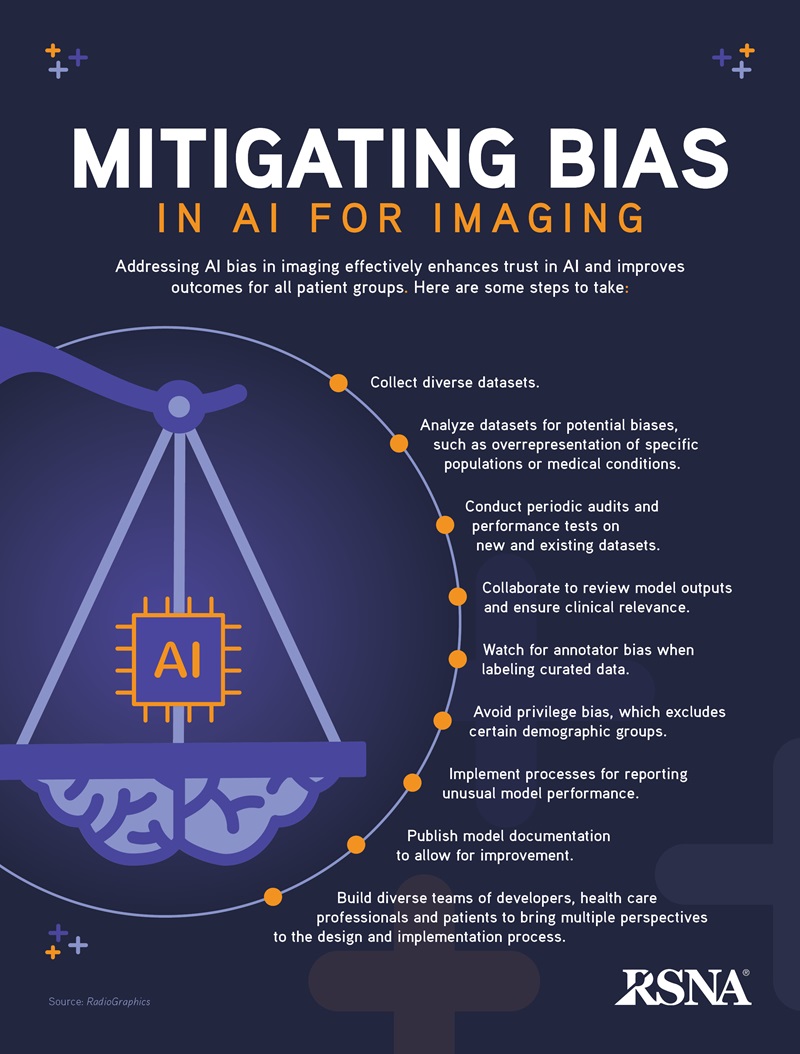
- Healthcare Disparities: AI models used in radiology have higher error rates for Black and Hispanic patients compared to white patients (Nature Medicine, 2020).
- Facial Recognition Accuracy: Systems from major vendors (e.g., Microsoft, IBM) show 10–100x higher error rates for darker-skinned women than lighter-skinned men (NIST, 2019).
- Mitigation Costs: Implementing bias detection and correction in AI pipelines can increase development costs by 20–40% (Gartner, 2023).
#Timeline
- Concept conceptualized
Initial research and foundations established for AI Bias: Causes And Solutions.
- First integration
First successful deployment and testing phase of AI Bias: Causes And Solutions in the industry.
- Global standards
Global standards are released for unified deployment and validation of AI Bias: Causes And Solutions.
- Modern scaling
Widespread global adoption and real-time optimization of AI Bias: Causes And Solutions networks.
#Related Terms
#FAQ
What does AI Bias: Causes And Solutions cover?
AI bias: causes and solutions covers practical examples, benefits, limitations, and important considerations for readers.
Why is AI Bias: Causes And Solutions important?
It helps readers understand key concepts, compare practical use cases, and evaluate how AI Ethics decisions affect outcomes, risks, and implementation choices.
What should readers verify before applying this topic?
Readers should compare the benefits, limitations, data requirements, and related themes such as Bias, Cause, Solution before using the ideas in real projects.
#References
- AI Bias: Causes And Solutions terminology and background research
- AI Bias: Causes And Solutions use cases, implementation examples, and limitations
- AI Ethics best practices, standards, and risk guidance
- Bias case studies, benchmarks, and current industry analysis
Comments
No comments yet. Start the discussion with a useful note.