

#Short Answer
Explains What Is Llama, including the core definition, how it works, practical examples, and limitations.
#Infobox
#History / Background
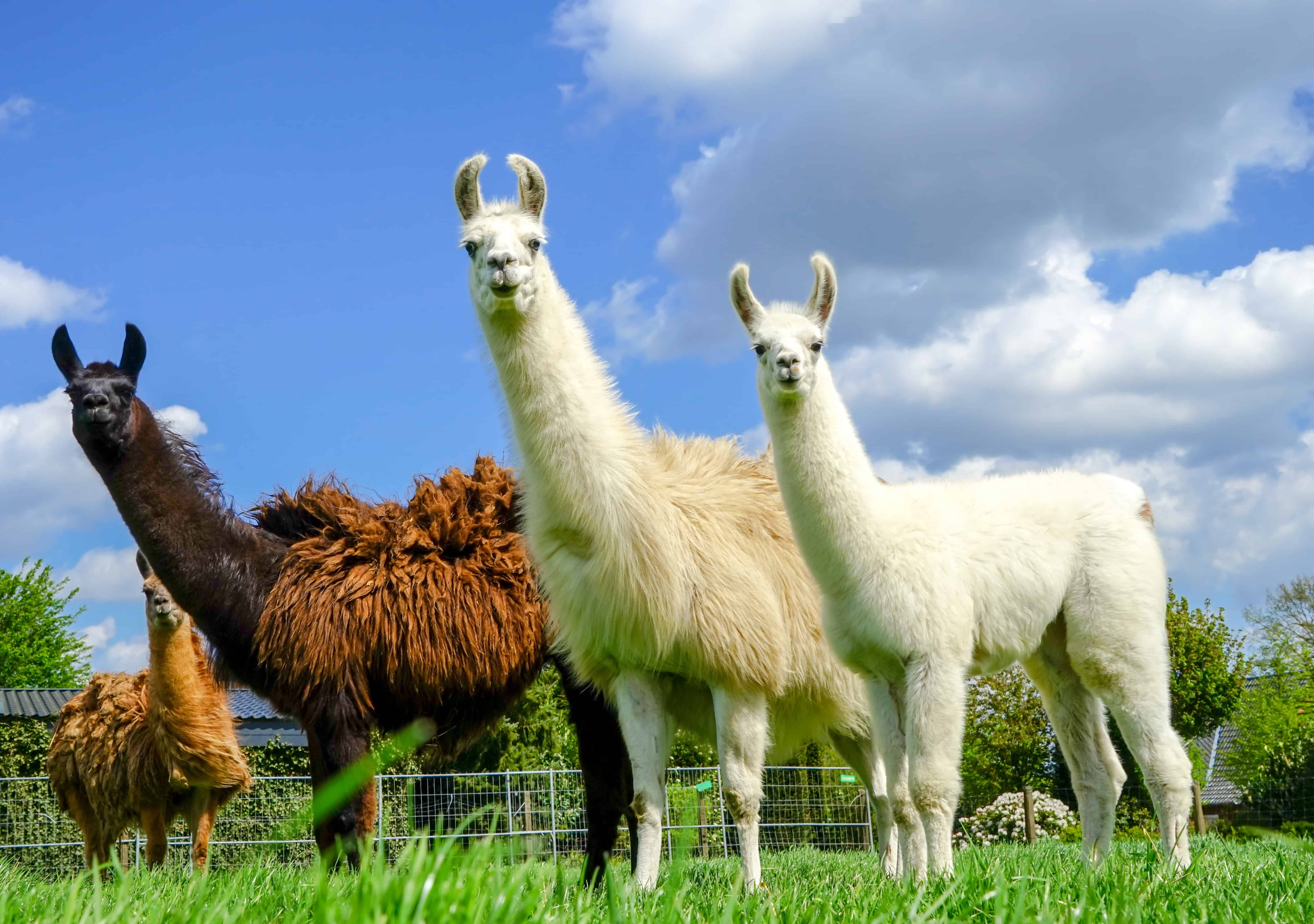
Domestication and Early Use Llamas were domesticated by indigenous Andean cultures, including the Inca Empire, around 6,000–7,000 years ago. Archaeological evidence suggests that domestication began in the Peruvian highlands, where llamas were valued for their meat, wool, and labor. The Inca civilization relied heavily on llamas for transportation, as they could carry loads of up to 30% of their body weight over long distances in mountainous terrain.
Role in Andean Society In pre-Columbian South America, llamas were not only pack animals but also symbols of wealth and status. Their wool was woven into textiles for clothing and trade, while their dung was used as fuel. The Spanish conquest in the 16th century disrupted traditional llama herding practices, but many indigenous communities continued to rely on them.
Global Spread Llamas were introduced to the United States and Europe in the 19th and 20th centuries, primarily as exotic animals in zoos and private collections. Today, they are bred for agricultural purposes, therapy work, and as pets, particularly in North America and Europe.
#How It Works
Physiology and Adaptations Llamas possess several physiological adaptations that enable their survival in high-altitude environments:
- Efficient Oxygen Utilization: Their blood contains a higher concentration of hemoglobin, allowing them to extract oxygen more effectively in thin air.
- Thermoregulation: Their thick fur provides insulation against cold, while their ability to sweat helps regulate body temperature in warmer conditions.
- Digestive System: As hindgut fermenters, llamas efficiently break down fibrous plant material, extracting maximum nutrients from sparse vegetation.
Social Behavior Llamas are herd animals with a hierarchical social structure. They communicate through body language, vocalizations (humming, grunting), and ear positioning. When threatened, they may spit or kick as a defensive mechanism, though they are generally docile.
Reproduction Female llamas (dams) have a gestation period of approximately 11.5 months, after which they give birth to a single offspring (cria). Newborns are precocial, standing and walking within hours of birth. Sexual maturity is reached at 1.5–2 years for females and 2–3 years for males.
#Important Facts
- Pack Capacity
Llamas can carry 50–75 pounds (23–34 kg) of cargo for 13–20 miles (21–32 km) per day, making them ideal for trekking in remote areas.
- Wool Quality
Llama wool is warmer, lighter, and more durable than sheep’s wool, with fibers ranging from 20–30 microns in diameter. It is hypoallergenic and often used in high-end textiles.
- Guard Animal Role
Llamas are naturally territorial and will protect livestock (such as sheep or goats) from predators like coyotes and foxes by chasing them away or sounding alarm calls.
- Lifespan and Health
With proper care, llamas can live 15–25 years. Common health issues include parasites, dental problems, and heat stress in warmer climates.
- Cultural Significance
In Andean cultures, llamas are considered sacred animals and are featured in myths and rituals. The Inca goddess of fertility, Pachamama, was often associated with llamas.
#Timeline
- Foundational ideas
Core concepts and early methods shape What Is Llama?.
- Practical use
Tools, examples, and real-world deployments make the topic easier to evaluate.
- Responsible implementation
Current work focuses on reliability, governance, performance, and measurable impact.
#Related Terms
#FAQ
What does What Is Llama? cover?
Explains What Is Llama, including the core definition, how it works, practical examples, and limitations.
Why is What Is Llama? important?
It helps readers understand key concepts, compare practical use cases, and evaluate how Artificial Intelligence decisions affect outcomes, risks, and implementation choices.
What should readers verify before applying this topic?
Readers should compare benefits, limitations, data requirements, and related themes such as Llama, AI, Machine Learning before using the ideas in real projects.
#References
- What Is Llama? terminology and background research
- What Is Llama? use cases, implementation examples, and limitations
- Artificial Intelligence best practices, standards, and risk guidance
- Llama case studies, benchmarks, and current industry analysis



Comments
No comments yet. Start the discussion with a useful note.