

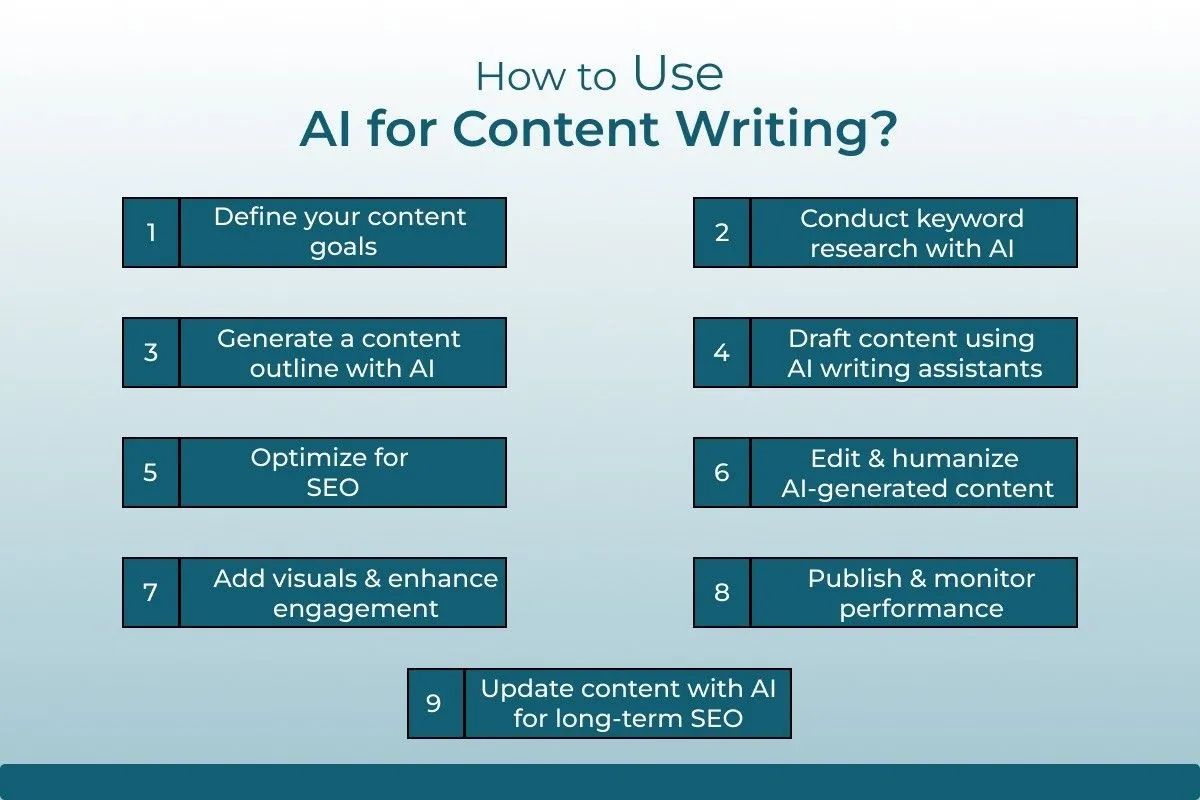
#Short Answer
AI for content writing refers to the use of artificial intelligence tools and algorithms to assist, enhance, or automate the creation of written content. These tools leverage natural language processing (NLP) and machine learning to generate text, optimize content, and improve productivity for writers, marketers, and businesses.
#Infobox
#Overview
AI for content writing involves the application of artificial intelligence technologies to assist in the creation, editing, and optimization of written material. These systems use advanced natural language processing (NLP) models to understand context, generate coherent text, and even mimic human writing styles. The integration of AI into content creation has transformed how businesses and individuals produce written material, enabling faster turnaround times, improved consistency, and enhanced creativity.
AI-powered content writing tools are widely used across industries, including marketing, journalism, e-commerce, and education. They assist in generating blog posts, social media content, email campaigns, product descriptions, and more. While AI cannot fully replace human creativity and critical thinking, it serves as a powerful augmentative tool that enhances productivity and scalability in content production.
#History / Background
#Early Developments
The concept of using machines to generate human-like text dates back to the mid-20th century. Early experiments in computational linguistics and artificial intelligence laid the groundwork for automated text generation. In the 1950s and 1960s, researchers developed rule-based systems that could produce simple sentences based on predefined templates.
#Advancements in NLP
The real breakthrough came with the advancement of natural language processing (NLP) in the late 20th and early 21st centuries. The introduction of statistical models and machine learning algorithms enabled systems to analyze large datasets and generate more contextually relevant text. Projects like IBM’s Watson and Google’s BERT demonstrated the potential of AI in understanding and generating human language.
#Rise of Generative AI
The launch of OpenAI’s GPT (Generative Pre-trained Transformer) models in 2018 marked a significant milestone. GPT-2 and later GPT-3 showcased the ability to generate coherent, contextually appropriate text across a wide range of topics. This sparked a wave of innovation in AI-powered writing tools, with platforms like Jasper, Copy.ai, and Writesonic emerging as leaders in the field.
#Modern Applications
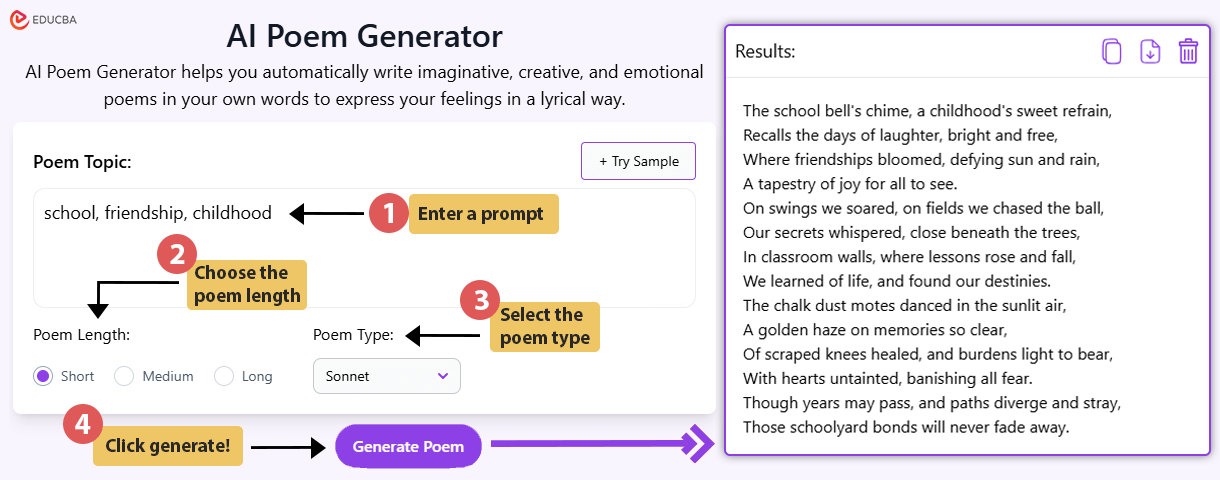
Today, AI for content writing is a multi-billion-dollar industry, with tools capable of generating long-form articles, translating languages, and even creating poetry or fiction. The technology continues to evolve, with newer models incorporating multimodal capabilities and improved contextual understanding.
#How It Works
#Natural Language Processing (NLP)
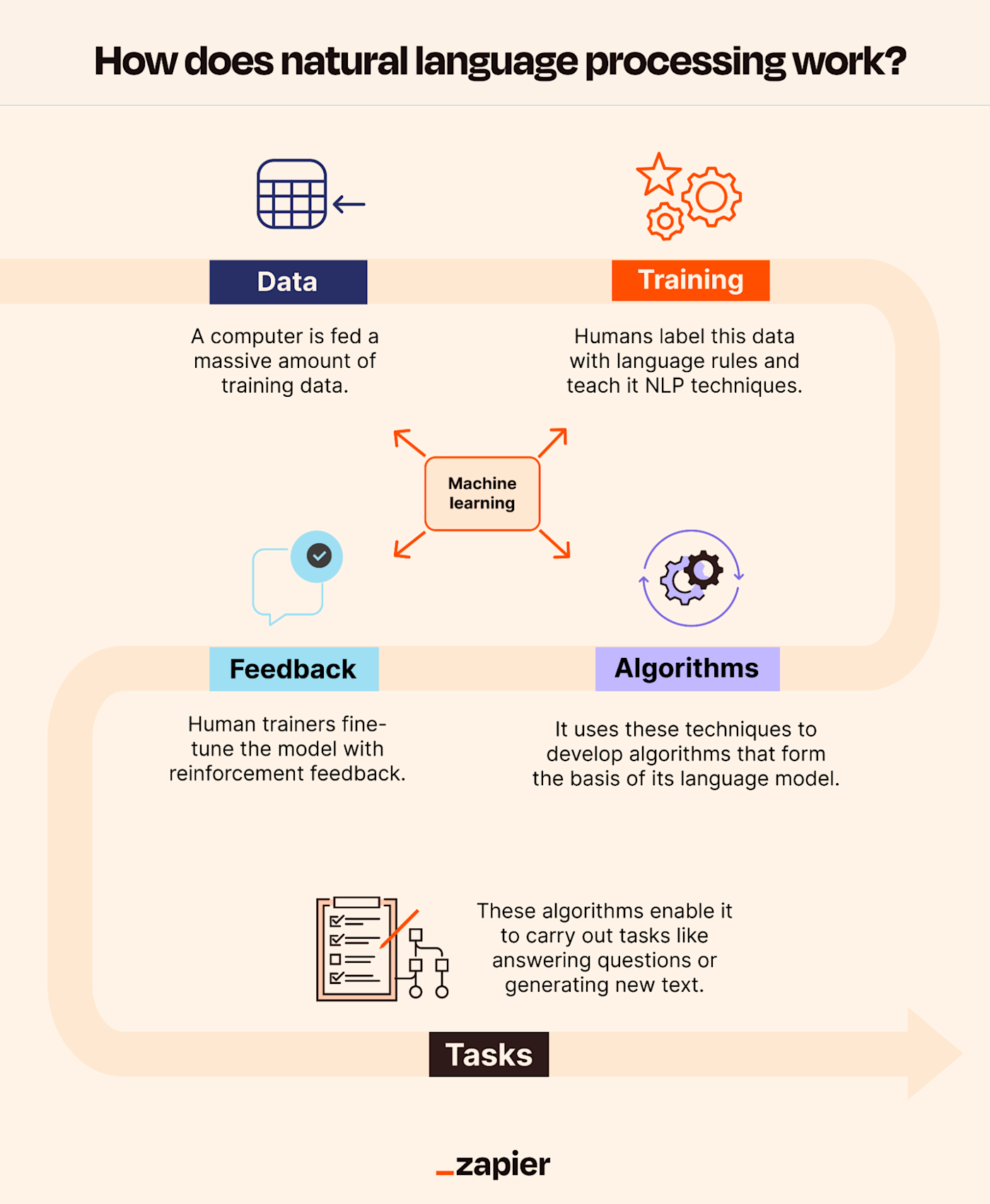
At the core of AI content writing is natural language processing, a branch of AI that focuses on the interaction between computers and human language. NLP models are trained on vast datasets of text, allowing them to recognize patterns, understand grammar, and generate meaningful sentences. Techniques such as tokenization, part-of-speech tagging, and semantic analysis are employed to break down and interpret text.
#Machine Learning and Deep Learning
AI writing tools utilize machine learning algorithms, particularly deep learning models like transformers, to predict and generate text. These models are pre-trained on diverse datasets and fine-tuned for specific tasks. For example, a model trained on blog posts will be better at generating conversational and informative content compared to one trained on technical manuals.
#Generative Models
Generative AI models, such as GPT-4, are designed to produce original text based on input prompts. Users provide a topic, keyword, or outline, and the AI generates a draft that can be further refined. These models use probabilistic methods to predict the most likely next word or sentence, ensuring coherence and relevance.
#Integration with Human Input
While AI can generate text autonomously, the most effective content creation workflows involve a collaboration between AI and human writers. Writers provide prompts, edit AI-generated drafts, and ensure the final output aligns with brand voice and audience expectations. This hybrid approach maximizes efficiency while maintaining quality and originality.
#Important Facts
- Efficiency: AI tools can generate drafts in seconds, significantly reducing the time required for content creation.
- Scalability: Businesses can produce large volumes of content quickly, making it ideal for marketing campaigns and SEO strategies.
- Cost-Effectiveness: AI reduces the need for large content teams, lowering operational costs for businesses.
- SEO Optimization: Many AI tools include features for keyword integration, readability scoring, and meta-description generation to improve search engine rankings.
- Language Support: Advanced AI models support multiple languages, enabling global content creation and localization.
- Ethical Considerations: Issues such as plagiarism, misinformation, and the devaluation of human creativity are ongoing concerns in the AI content writing space.
- Customization: AI models can be fine-tuned to match specific brand tones, styles, and industry jargon.
- Limitations: AI-generated content may lack nuance, emotional depth, and originality, requiring human oversight for refinement.
#Timeline
- Early rule-based text generati
Early rule-based text generation systems developed.
- Statistical NLP models introdu
Statistical NLP models introduced, improving text prediction.
- IBM Watson demonstrates advanc
IBM Watson demonstrates advanced NLP capabilities in question-answering tasks.
- OpenAI releases GPT-2, showcas
OpenAI releases GPT-2, showcasing advanced text generation.
- GPT-3 launched, enabling more
GPT-3 launched, enabling more sophisticated and context-aware content generation.
- AI writing tools like
AI writing tools like Jasper and Copy.ai gain widespread adoption.
- Multimodal AI models emerge
Multimodal AI models emerge, capable of generating text alongside images and other media.
- AI content writing tools
AI content writing tools integrate real-time SEO optimization and plagiarism detection.
- Advancements in fine-tuning an
Advancements in fine-tuning and customization allow for hyper-personalized content generation.
#Related Terms
#FAQ
What does How To Use AI For Content Writing cover?
Outlines how to use AI for content writing, with practical steps, key decisions, common mistakes, and tips for better results.
Why is How To Use AI For Content Writing important?
It helps readers understand key concepts, compare practical use cases, and evaluate how Language AI decisions affect outcomes, risks, and implementation choices.
What should readers verify before applying this topic?
Readers should compare the benefits, limitations, data requirements, and related themes such as Tutorial, Use, Content before using the ideas in real projects.
#References
- How To Use AI For Content Writing terminology and background research
- How To Use AI For Content Writing use cases, implementation examples, and limitations
- Language AI best practices, standards, and risk guidance
- Tutorial case studies, benchmarks, and current industry analysis


Comments
No comments yet. Start the discussion with a useful note.