

#Short Answer
Explains how finance uses ai: case studies, including the main process, tools, examples, risks, and practical implementation steps.
#Infobox
#Overview
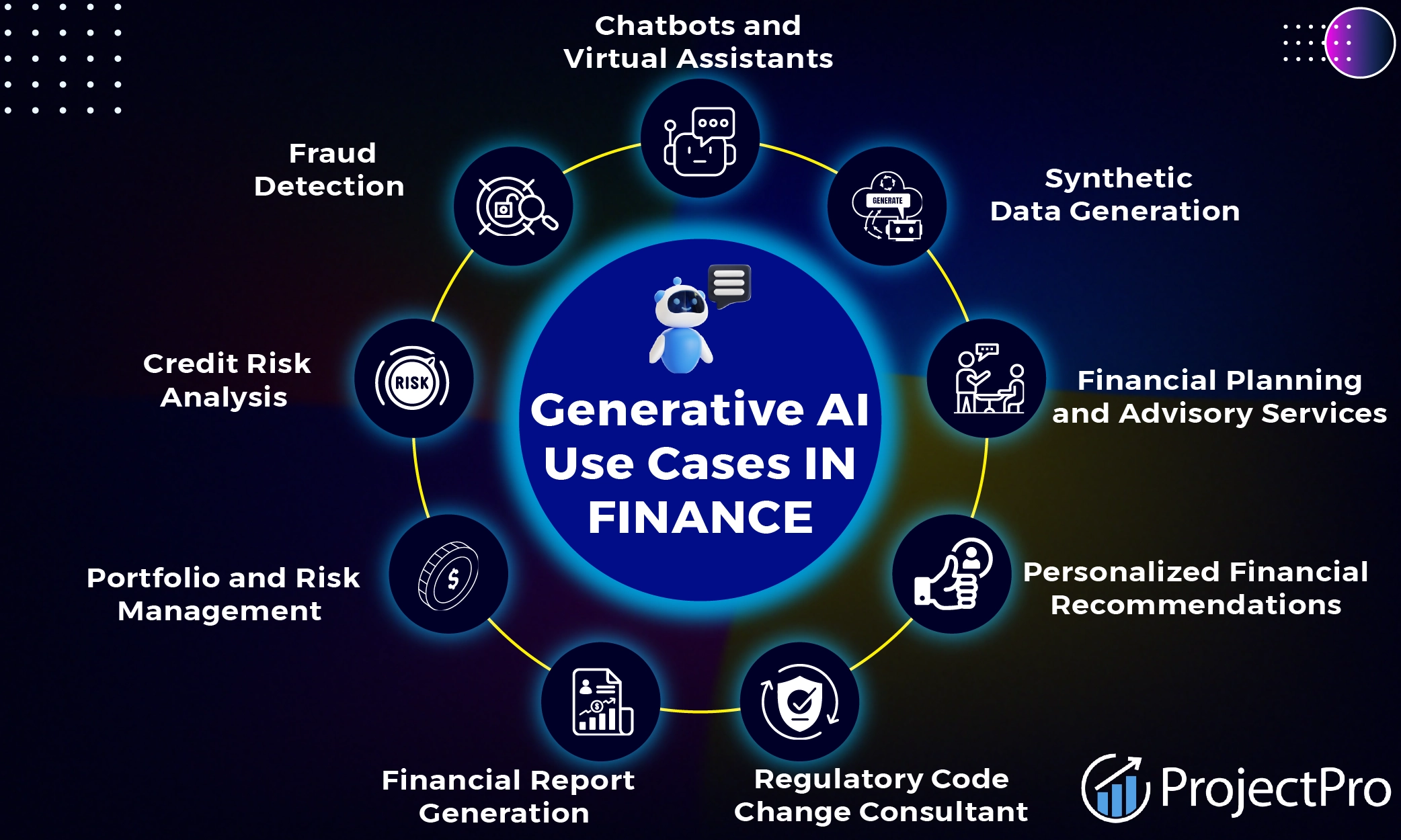
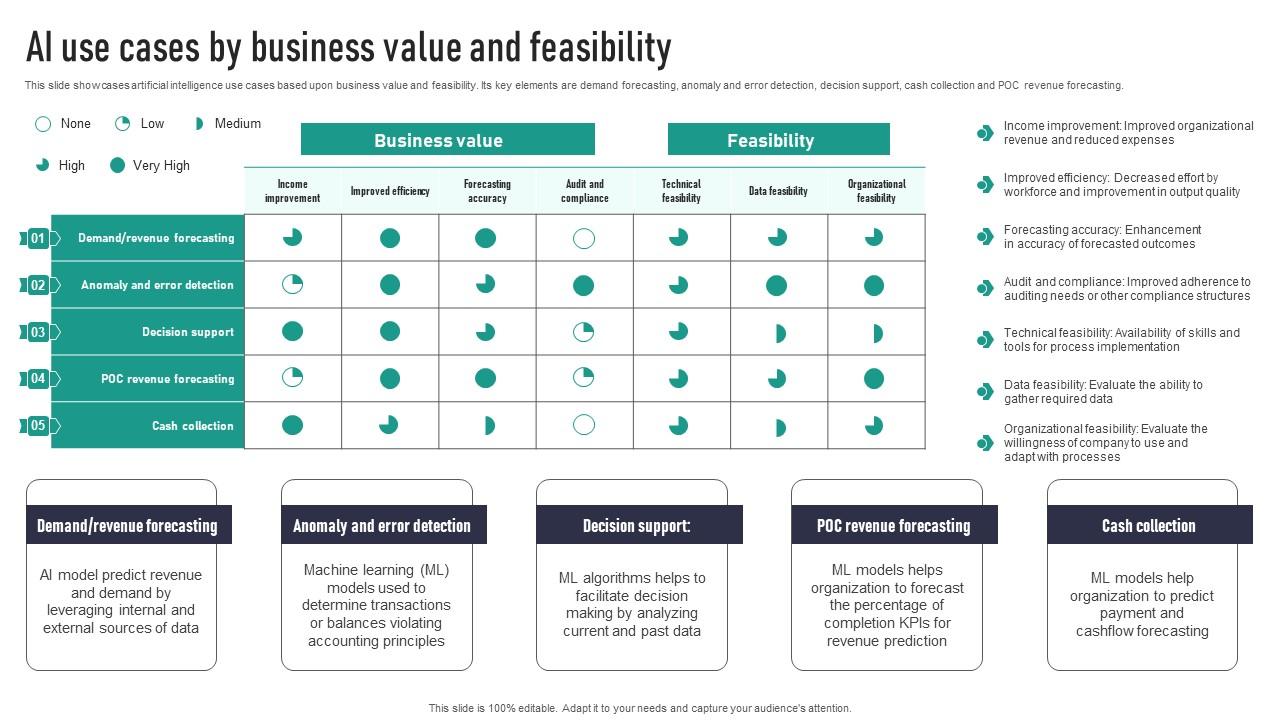
Artificial intelligence has become a cornerstone of modern finance, reshaping how institutions operate, interact with customers, and manage risk. AI systems analyze vast datasets in real time, enabling faster and more accurate decision-making compared to traditional methods. From automating routine tasks to predicting market trends, AI enhances efficiency, reduces costs, and improves service quality across banking, investment, insurance, and fintech sectors. The integration of AI in finance spans multiple domains, including:
- Risk Management: Predictive models assess creditworthiness, market volatility, and operational risks.
- Algorithmic Trading: AI-driven trading systems execute orders at optimal times based on historical data and market signals.
- Fraud Detection: Machine learning identifies anomalous transactions by detecting patterns indicative of fraudulent activity.
- Customer Service: Chatbots and virtual assistants provide 24/7 support, personalized financial advice, and seamless onboarding.
- Regulatory Compliance: AI automates compliance checks, monitors transactions for suspicious activity, and ensures adherence to evolving financial regulations. As AI continues to evolve, its role in finance is expanding, with generative AI and explainable AI (XAI) emerging as key trends that promise greater transparency and innovation.
#History / Background
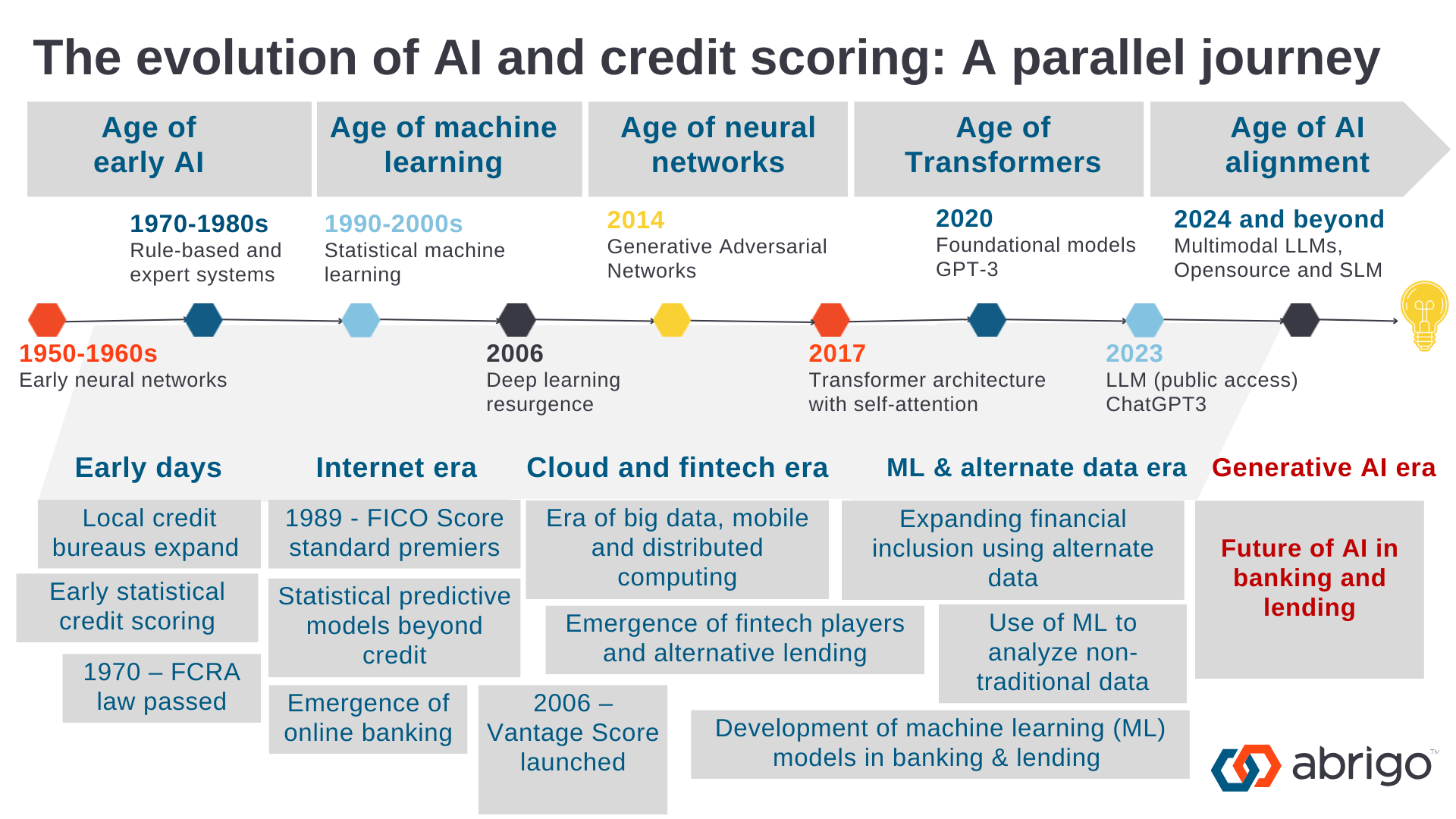
The application of AI in finance traces back to the 1980s, when early expert systems were used for credit scoring and loan approvals. However, the real transformation began in the 2000s with the advent of big data and advancements in computing power.
#Early Developments
(1980s–2000s)
- 1987: The first AI-powered credit scoring model was introduced by Fair Isaac Corporation (FICO), using statistical methods to evaluate borrower risk.
- 1990s: Banks began experimenting with neural networks for fraud detection, leveraging pattern recognition to identify suspicious transactions.
- 2000s: The rise of machine learning algorithms, such as support vector machines (SVMs) and random forests, improved predictive accuracy in financial forecasting.
#The Big Data Revolution (2010s)
The explosion of digital financial data—from online transactions, social media, and IoT devices—provided the fuel for AI advancements. Key milestones include:
- 2011: IBM’s Watson demonstrated its ability to analyze financial data and provide investment insights.
- 2013: Deep learning models, particularly convolutional neural networks (CNNs) and recurrent neural networks (RNNs), began outperforming traditional methods in stock price prediction.
- 2016: The launch of AI-powered robo-advisors, such as Betterment and Wealthfront, democratized investment management by offering algorithm-driven portfolio optimization.
#Modern Era
(2020s–Present)
The 2020s have seen AI become deeply embedded in financial services, driven by:
- Generative AI: Tools like large language models (LLMs) generate financial reports, automate regulatory filings, and create personalized financial plans.
- Explainable AI (XAI): Regulatory bodies and institutions demand transparency in AI decisions, leading to the development of interpretable models.
- Blockchain and AI Synergy: AI enhances blockchain-based smart contracts by automating compliance checks and fraud detection.
- Regulatory Adoption: Governments and central banks, such as the European Central Bank (ECB) and the U.S. Federal Reserve, are exploring AI for real-time economic monitoring and policy formulation.
#How It Works
AI in finance operates through a combination of advanced algorithms, data processing, and automation. The process typically involves the following steps:
#1. Data Collection and Preprocessing Financial institutions gather data from multiple sources, including:
- Structured Data: Transaction records, account balances, credit scores, and market prices.
- Unstructured Data: News articles, earnings call transcripts, social media sentiment, and customer reviews.
- Alternative Data: Satellite imagery (for retail activity tracking), IoT sensor data (for supply chain monitoring), and geolocation data. Data preprocessing involves cleaning, normalizing, and transforming raw data into a format suitable for AI models. Techniques such as feature engineering and dimensionality reduction are applied to improve model performance.
#2. Model Selection and Training Different AI techniques are employed based on the financial task:
- Supervised Learning: Used for classification (e.g., fraud detection, credit scoring) and regression (e.g., stock price prediction). Algorithms include logistic regression, decision trees, and gradient boosting.
- Unsupervised Learning: Applied for clustering (e.g., customer segmentation) and anomaly detection (e.g., identifying unusual trading patterns). Techniques include k-means clustering and autoencoders.
- Reinforcement Learning: Utilized in algorithmic trading, where AI agents learn optimal trading strategies through trial and error, maximizing returns while minimizing risk.
- Deep Learning: Neural networks, particularly recurrent neural networks (RNNs) and transformers, excel in processing sequential data like time-series financial markets.
#3. Deployment and Real-Time Processing Once trained, AI models are deployed into production environments, where they:
- Monitor Transactions: AI systems continuously scan transactions for fraudulent activity, flagging anomalies in real time.
- Automate Trading: Algorithmic trading platforms execute trades based on predefined strategies, adjusting to market conditions dynamically.
- Enhance Customer Interactions: Chatbots and virtual assistants use NLP to understand customer queries and provide personalized financial advice.
- Support Regulatory Compliance: AI tools automate the monitoring of transactions for anti-money laundering (AML) and know-your-customer (KYC) requirements.
#4. Continuous Learning and Adaptation AI models are not static; they undergo continuous retraining to adapt to changing market conditions, regulatory updates, and emerging fraud patterns. Techniques such as online learning and federated learning enable models to update incrementally without compromising data privacy.
#Important Facts
- Fraud Detection Efficiency: AI-powered fraud detection systems reduce false positives by up to 50% compared to rule-based systems, improving both security and customer experience.
- Algorithmic Trading Dominance: Over 70% of stock market trades in the U.S. are executed by AI-driven algorithms, accounting for trillions of dollars in daily transactions.
- Cost Savings: Banks leveraging AI for customer service report a 30–50% reduction in operational costs by automating routine inquiries.
- Credit Scoring Innovation: AI models analyze non-traditional data (e.g., utility payments, rental history) to extend credit to underserved populations, increasing financial inclusion.
- Regulatory Challenges: The opacity of deep learning models poses challenges for compliance, leading to the development of explainable AI (XAI) frameworks like LIME and SHAP.
- Generative AI in Finance: Tools like generative adversarial networks (GANs) are used to simulate financial scenarios, create synthetic datasets for testing, and generate personalized financial reports.
- AI in Insurance: Insurtech companies use AI to automate underwriting, detect insurance fraud, and personalize premiums based on individual risk profiles.
- Global Adoption: The global AI in fintech market is projected to reach $49.3 billion by 2028, growing at a compound annual growth rate (CAGR) of 24.5%.
#Timeline
- Foundational ideas
Core concepts and early methods shape How Finance Uses AI: Case Studies.
- Practical use
Tools, examples, and real-world deployments make the topic easier to evaluate.
- Responsible implementation
Current work focuses on reliability, governance, performance, and measurable impact.
#Related Terms
#FAQ
What does How Finance Uses AI: Case Studies cover?
Explains how finance uses ai: case studies, including the main process, tools, examples, risks, and practical implementation steps.
Why is How Finance Uses AI: Case Studies important?
It helps readers understand key concepts, compare practical use cases, and evaluate how Business & Marketing decisions affect outcomes, risks, and implementation choices.
What should readers verify before applying this topic?
Readers should compare benefits, limitations, data requirements, and related themes such as Finance, Uses, AI before using the ideas in real projects.
#References
- How Finance Uses AI: Case Studies terminology and background research
- How Finance Uses AI: Case Studies use cases, implementation examples, and limitations
- Business & Marketing best practices, standards, and risk guidance
- Finance case studies, benchmarks, and current industry analysis


Comments
No comments yet. Start the discussion with a useful note.