


#Short Answer
Explains how retail uses ai: case studies, including the main process, tools, examples, risks, and practical implementation steps.
#Infobox
#Overview
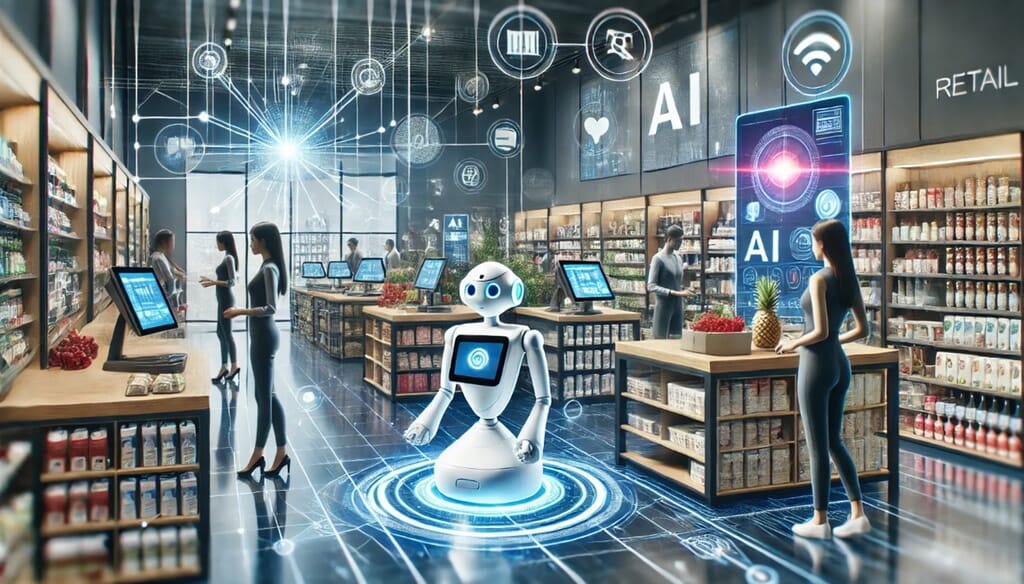
Artificial Intelligence (AI) has revolutionized the retail industry by enabling data-driven decision-making, automation, and hyper-personalization. From supply chain optimization to customer service, AI technologies such as machine learning (ML), natural language processing (NLP), and computer vision are transforming how retailers operate and engage with consumers. The integration of AI in retail not only streamlines operations but also enhances the shopping experience, leading to higher customer retention and revenue growth. Retailers leverage AI to analyze vast amounts of data, including purchase history, browsing behavior, and social media interactions, to predict trends, optimize pricing, and manage inventory efficiently. Additionally, AI-powered tools like chatbots and virtual assistants provide 24/7 customer support, while computer vision enables cashier-less stores and automated checkout systems. As AI continues to evolve, its applications in retail are expanding, making it a critical component of modern commerce.
#History / Background
The adoption of AI in retail has evolved over several decades, marked by technological advancements and changing consumer behaviors.
#Early Developments
(1980s–2000s)
- 1980s–1990s: Early AI applications in retail focused on rule-based systems for inventory management and basic customer segmentation. Retailers used simple algorithms to analyze sales data and forecast demand.
- Late 1990s–Early 2000s: The rise of e-commerce platforms introduced AI-driven recommendation engines, pioneered by companies like Amazon. These systems used collaborative filtering to suggest products based on user behavior.
#Growth and Expansion (2010s)
- 2010s: The proliferation of big data and cloud computing enabled retailers to deploy more sophisticated AI models. Machine learning algorithms became widely used for demand forecasting, dynamic pricing, and personalized marketing.
- 2016–2018: The launch of AI-powered chatbots and virtual assistants, such as those used by Sephora and H&M, transformed customer service in retail. Computer vision technology also gained traction, enabling features like automated checkout and loss prevention.
#Modern Era
(2020s–Present)
- 2020s: AI adoption accelerated with the COVID-19 pandemic, as retailers sought to enhance online shopping experiences and automate operations. Technologies like autonomous delivery robots, AI-driven supply chain optimization, and hyper-personalized loyalty programs became mainstream.
- Present: AI is now integral to retail strategies, with retailers investing heavily in AI startups and in-house development. The focus has shifted toward ethical AI, data privacy, and sustainability in AI applications.
#How It Works
AI in retail operates through a combination of advanced technologies and data-driven processes. Below are the key mechanisms and applications:
#
- Demand Forecasting and Inventory Optimization AI models analyze historical sales data, market trends, weather patterns, and even social media sentiment to predict future demand. Retailers use these forecasts to optimize inventory levels, reducing stockouts and overstock situations.
- Technologies Used: Time-series forecasting, regression models, ensemble learning.
- Example: Walmart uses AI to predict demand for perishable goods, ensuring fresh stock availability while minimizing waste.
#
- Personalized Recommendations AI-powered recommendation engines analyze customer behavior, purchase history, and browsing patterns to suggest products tailored to individual preferences.
- Technologies Used: Collaborative filtering, deep learning, NLP.
- Example: Amazon’s "Customers who bought this also bought" feature increases cross-selling opportunities.
#
- Dynamic Pricing AI algorithms adjust prices in real-time based on factors like demand, competitor pricing, and customer segments. This strategy maximizes revenue while remaining competitive.
- Technologies Used: Reinforcement learning, price elasticity models.
- Example: Airlines and hotels use dynamic pricing, but retailers like Amazon and eBay employ similar strategies for online sales.
#
- Chatbots and Virtual Assistants AI-driven chatbots provide instant customer support, handling inquiries about orders, returns, and product recommendations. They operate 24/7, reducing the need for human agents.
- Technologies Used: NLP, sentiment analysis, dialogue systems.
- Example: Sephora’s chatbot on Facebook Messenger assists customers with product selection and booking appointments.
#
- Computer Vision for Retail Computer vision enables retailers to automate tasks such as cashier-less checkout, shelf monitoring, and loss prevention.
- Technologies Used: Object detection, image recognition, deep learning.
- Example: Amazon Go stores use computer vision and sensor fusion to allow customers to shop without traditional checkout.
#
- Fraud Detection and Security AI systems monitor transactions in real-time to detect fraudulent activities, such as credit card fraud or return fraud.
- Technologies Used: Anomaly detection, supervised learning, clustering algorithms.
- Example: PayPal uses AI to flag suspicious transactions and prevent fraud.
#
- Supply Chain Optimization AI enhances supply chain efficiency by predicting disruptions, optimizing routes, and automating warehouse operations.
- Technologies Used: Predictive analytics, reinforcement learning, robotics.
- Example: Zara uses AI to manage its fast-fashion supply chain, reducing lead times from weeks to days.
#Important Facts
- AI in Retail Market Size: The global AI in retail market was valued at $5.7 billion in 2022 and is projected to reach $40.5 billion by 2032, growing at a CAGR of 21.8% (Source: Allied Market Research).
- Customer Expectations: 73% of consumers expect personalized experiences from retailers, and AI enables this through data-driven insights (Source: Accenture).
- Cost Savings: Retailers using AI for demand forecasting can reduce inventory costs by up to 30% (Source: McKinsey).
- Chatbot Efficiency: AI chatbots can handle 80% of routine customer inquiries, reducing operational costs by 30% (Source: Gartner).
- Fraud Prevention: AI reduces fraud losses by up to 50% in retail transactions (Source: Juniper Research).
- Autonomous Stores: The number of AI-powered cashier-less stores is expected to exceed 10,000 by 2025 (Source: CB Insights).
- Sustainability Impact: AI-driven inventory optimization reduces food waste by 15–20% in grocery retail (Source: World Economic Forum).
#Timeline
- Foundational ideas
Core concepts and early methods shape How Retail Uses AI: Case Studies.
- Practical use
Tools, examples, and real-world deployments make the topic easier to evaluate.
- Responsible implementation
Current work focuses on reliability, governance, performance, and measurable impact.
#Related Terms
#FAQ
What does How Retail Uses AI: Case Studies cover?
Explains how retail uses ai: case studies, including the main process, tools, examples, risks, and practical implementation steps.
Why is How Retail Uses AI: Case Studies important?
It helps readers understand key concepts, compare practical use cases, and evaluate how Business & Marketing decisions affect outcomes, risks, and implementation choices.
What should readers verify before applying this topic?
Readers should compare benefits, limitations, data requirements, and related themes such as Retail, Uses, AI before using the ideas in real projects.
#References
- How Retail Uses AI: Case Studies terminology and background research
- How Retail Uses AI: Case Studies use cases, implementation examples, and limitations
- Business & Marketing best practices, standards, and risk guidance
- Retail case studies, benchmarks, and current industry analysis

Comments
No comments yet. Start the discussion with a useful note.