

#Short Answer
AI ethicists analyze the ethical dimensions of artificial intelligence technologies, ensuring their development and deployment align with human values. Their work spans multiple disciplines, including computer science, philosophy, law, and social sciences. As AI systems become more integrated into critical sectors such as healthcare, finance, law enforcement, and governance, the role of AI ethicists has grown increasingly vital in preventing harm and promoting fairness.
#Infobox
#Overview
AI ethicists analyze the ethical dimensions of artificial intelligence technologies, ensuring their development and deployment align with human values. Their work spans multiple disciplines, including computer science, philosophy, law, and social sciences. As AI systems become more integrated into critical sectors such as healthcare, finance, law enforcement, and governance, the role of AI ethicists has grown increasingly vital in preventing harm and promoting fairness.
By 2026, the field has evolved to address not only immediate concerns like data privacy and algorithmic bias but also long-term existential risks associated with advanced AI. Ethicists advocate for regulatory frameworks, transparency in AI decision-making, and inclusive design practices to mitigate unintended consequences.
#Core Principles
- Fairness: Ensuring AI systems do not perpetuate or amplify existing social biases.
- Transparency: Making AI decision-making processes understandable to stakeholders and affected individuals.
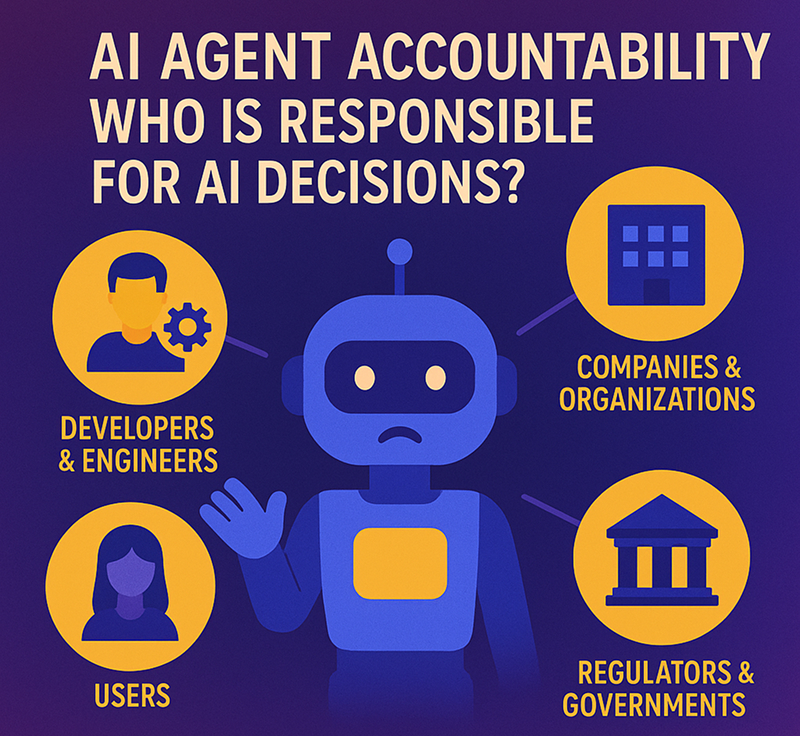
- Accountability: Establishing clear responsibility for AI system outcomes, including legal and ethical liabilities.
- Privacy: Protecting user data and preventing unauthorized surveillance or misuse.
- Safety: Preventing AI systems from causing physical, psychological, or societal harm.
- Human Oversight: Maintaining human control over AI systems, particularly in high-stakes decisions.
#History / Background
#Early Era (1950s–2010s)
The ethical implications of artificial intelligence were first discussed in the mid-20th century, alongside the field's inception. Early pioneers like Alan Turing and Joseph Weizenbaum raised concerns about AI's potential to surpass human control. However, systematic ethical analysis remained limited until the 21st century.
In 2016, high-profile incidents such as the Microsoft Tay chatbot scandal—where the AI quickly adopted offensive language from users—highlighted the need for ethical safeguards in AI development. This event marked a turning point, prompting greater academic and industry attention to AI ethics.
#Modern Era (2010s–Present)
The 2010s saw the rise of dedicated AI ethics research, with institutions like the MIT Media Lab and the AI Now Institute leading interdisciplinary studies. The 2018 publication of Weapons of Math Destruction by Cathy O'Neil brought algorithmic bias into mainstream discourse, while the 2020 release of Artificial Intelligence: A Guide for Thinking Humans by Melanie Mitchell further popularized ethical considerations.
By 2023, major tech companies began establishing internal AI ethics boards, though many faced criticism for lacking independence. The 2024 EU Artificial Intelligence Act became the first comprehensive legal framework to regulate AI based on risk levels, setting a global precedent.
#How It Works
#Ethical Frameworks
AI ethicists employ various frameworks to guide AI development and deployment:
- Utilitarianism: Maximizing overall societal benefit while minimizing harm.
- Deontological Ethics: Emphasizing duty and rules, such as "do no harm."
- Virtue Ethics: Focusing on the moral character of developers and systems.
- Rights-Based Ethics: Protecting fundamental human rights from AI encroachment.
#Methodologies
Ethicists use diverse methodologies to assess AI systems:
- Algorithmic Auditing: Systematic reviews of AI models for bias, fairness, and compliance with ethical standards.
- Stakeholder Engagement: Involving affected communities in AI design and evaluation processes.
- Scenario Analysis: Projecting potential future impacts of AI technologies to identify risks.
- Red Teaming: Simulating adversarial attacks to test AI system robustness and ethical safeguards.
#Tools and Standards
Several tools and standards assist ethicists in their work:
- Fairness Indicators: Metrics to measure bias in AI models (e.g., demographic parity, equalized odds).
- Explainable AI (XAI): Techniques to make AI decisions interpretable to humans.
- Ethical AI Guidelines: Frameworks such as the Asilomar AI Principles or the IEEE Global Initiative.
- Impact Assessments: Structured evaluations of AI systems' societal, environmental, and economic effects.
#Important Facts
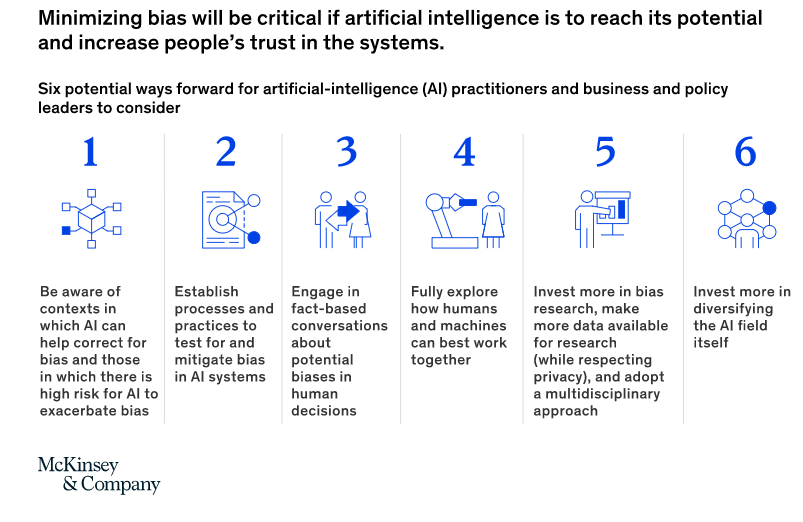
- Bias in AI: Studies show AI systems can inherit and amplify biases present in training data, leading to discriminatory outcomes in hiring, lending, and policing.
- Black Box Problem: Many advanced AI models, particularly deep learning systems, operate as "black boxes," making their decisions difficult to interpret.
- Regulatory Landscape: By 2026, over 60 countries have enacted AI-specific regulations, with the EU, US, and China leading in comprehensive frameworks.
- AI and Employment: The World Economic Forum estimates that by 2026, AI will displace 85 million jobs globally but create 97 million new roles, requiring significant reskilling efforts.
- Existential Risks: Some ethicists, such as Nick Bostrom, argue that advanced AI could pose existential threats if not properly aligned with human values.
- AI in Healthcare: Ethical concerns include data privacy, consent for medical AI use, and the potential for AI to exacerbate healthcare disparities.
#Timeline
- Alan Turing publishes *Computi
Alan Turing publishes *Computing Machinery and Intelligence*, introducing the Turing Test and raising early ethical questions about AI.
- Joseph Weizenbaum develops ELI
Joseph Weizenbaum develops ELIZA, an early natural language processing program, highlighting concerns about AI's emotional manipulation potential.
- IBM's Watson wins *Jeopardy!*
IBM's Watson wins *Jeopardy!*, sparking debates about AI's impact on employment and human expertise.
- Microsoft's Tay chatbot is
Microsoft's Tay chatbot is taken offline after adopting offensive language, underscoring the need for ethical AI design.
- Cathy O'Neil's *Weapons of
Cathy O'Neil's *Weapons of Math Destruction* exposes algorithmic bias in criminal justice, hiring, and lending systems.
- Google fires AI ethicist
Google fires AI ethicist Timnit Gebru after she co-authors a paper criticizing large language models, highlighting industry resistance to ethical scrutiny.
- The EU reaches a
The EU reaches a provisional agreement on the [Artificial Intelligence Act](# 'Artificial Intelligence Act'), the first major AI regulation.
- Major tech companies commit
Major tech companies commit to the [Bletchley Declaration](# 'Bletchley Declaration'), pledging to address AI safety risks.
- First AI ethics lawsuits
First AI ethics lawsuits emerge, with plaintiffs suing companies over biased hiring algorithms and discriminatory policing AI.
- Global consensus forms on
Global consensus forms on AI risk classification, with high-risk systems requiring third-party audits before deployment.
#Related Terms
#FAQ
What does AI Ethicists: Their Concerns For 2026 cover?
AI ethicists: their concerns for 2026 covers practical examples, benefits, limitations, and important considerations for readers.
Why is AI Ethicists: Their Concerns For 2026 important?
It helps readers understand key concepts, compare practical use cases, and evaluate how AI Ethics decisions affect outcomes, risks, and implementation choices.
What should readers verify before applying this topic?
Readers should compare the benefits, limitations, data requirements, and related themes such as 2026 Trends, Ethicist, Concern before using the ideas in real projects.
#References
- AI Ethicists: Their Concerns For 2026 terminology and background research
- AI Ethicists: Their Concerns For 2026 use cases, implementation examples, and limitations
- AI Ethics best practices, standards, and risk guidance
- 2026 Trends case studies, benchmarks, and current industry analysis

Comments
No comments yet. Start the discussion with a useful note.