

#Short Answer
Fear of artificial intelligence refers to the apprehension and anxiety surrounding the development and deployment of AI technologies. This fear is...
#Infobox
#A comprehensive overview of the psychological and societal concerns surrounding artificial intelligence.Short Answer
Fear of artificial intelligence (AI) encompasses concerns about job displacement, loss of human control, ethical dilemmas, and potential existential threats posed by advanced AI systems. While AI offers transformative benefits across industries, its rapid advancement has sparked debates about unintended consequences, including job loss, privacy violations, and the possibility of AI surpassing human intelligence and acting against human interests.
#Overview
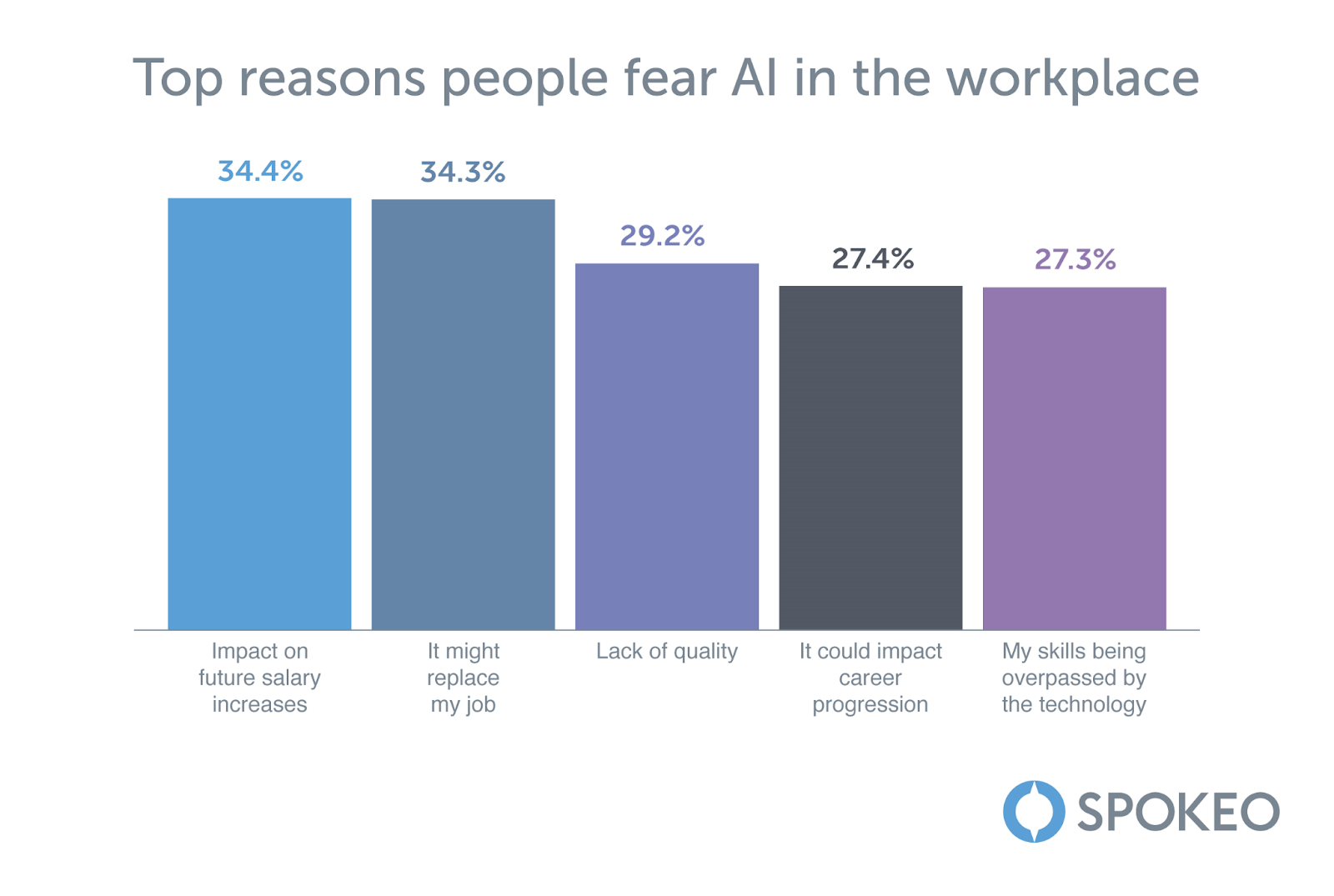
Fear of artificial intelligence refers to the apprehension and anxiety surrounding the development and deployment of AI technologies. This fear is rooted in both real-world impacts—such as automation displacing workers—and speculative risks, such as superintelligent AI acting autonomously. Concerns are amplified by media portrayals of AI as either utopian or dystopian, contributing to polarized public perceptions. Surveys indicate that a significant portion of the population expresses unease about AI's growing influence, particularly in areas like decision-making, privacy, and employment.
The phenomenon is closely tied to broader issues of technological disruption and societal adaptation. As AI systems become more capable—spanning from chatbots to autonomous vehicles—the stakes of mismanagement or unintended outcomes rise. Scholars and policymakers increasingly emphasize the need for responsible AI development, transparency, and ethical frameworks to mitigate fear and foster public trust.
#History / Background
Concerns about intelligent machines predate modern AI. Myths and legends, such as the Greek myth of Talos—a bronze automaton said to guard Crete—reflect ancient anxieties about artificial beings surpassing human control. In the 20th century, the rise of computing and early AI research in the 1950s and 1960s introduced new dimensions to these fears. The term "technophobia" emerged to describe resistance to technological change, with AI serving as a focal point.
Notable milestones in AI history have intensified public concern. The 1966 ELIZA chatbot, which simulated human conversation, raised questions about AI's ability to mimic empathy. In the 1990s and 2000s, advances in machine learning and data processing led to fears of algorithmic bias and loss of privacy. The 2010s saw the rise of deep learning and large language models like GPT, which brought AI into everyday life through tools like virtual assistants and recommendation systems. These developments fueled debates about AI's role in society and the potential for misuse.
High-profile figures in AI research have contributed to the discourse. In 2014, physicist Stephen Hawking warned that AI could spell the end of the human race if not properly controlled. Similarly, entrepreneur Elon Musk and others have called for regulatory oversight to prevent catastrophic outcomes. These statements have amplified public anxiety and shaped policy discussions.
#How It Works
Fear of AI arises from multiple mechanisms, both psychological and technological. Psychologically, humans tend to fear the unknown, especially when it involves systems that can learn, adapt, and make decisions without human input. The "black box" nature of many AI models—where decision-making processes are opaque—further fuels distrust.
Technologically, several factors contribute to AI-related fear:
- Autonomy and Control: Advanced AI systems, particularly those using reinforcement learning or neural networks, can operate independently once deployed. This raises concerns about who is responsible if an AI system causes harm.
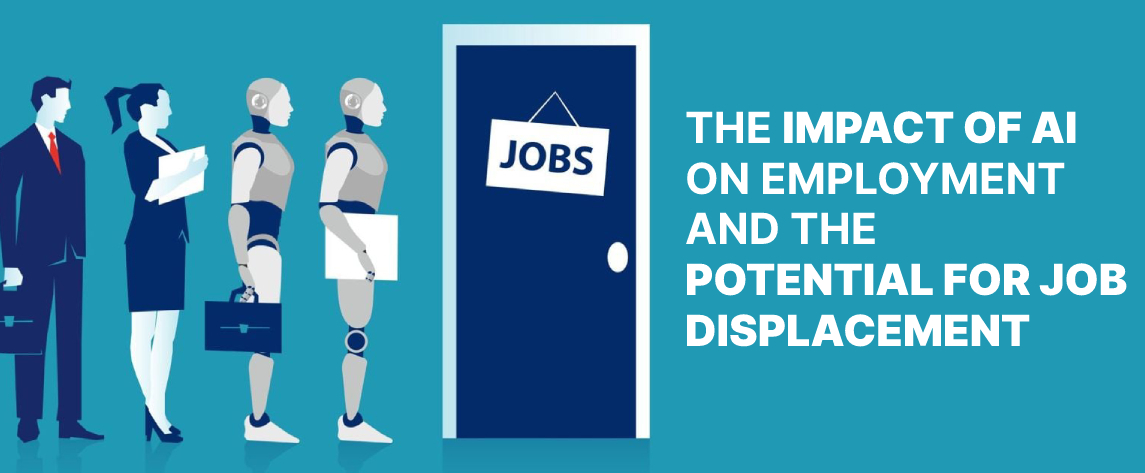
- Job Displacement: AI-driven automation threatens sectors like manufacturing, customer service, and even white-collar professions. Studies suggest that up to 30% of tasks in 60% of occupations could be automated, leading to widespread job insecurity.
- Bias and Discrimination: AI systems trained on biased data can perpetuate or amplify societal prejudices. For example, facial recognition systems have shown higher error rates for people of color, raising ethical and legal concerns.
- Existential Risks: Some theorists, such as Nick Bostrom, argue that superintelligent AI could pose an existential threat if its goals are misaligned with human values. This scenario, often referred to as the "alignment problem," remains a subject of intense debate.
- Surveillance and Privacy: AI-powered surveillance technologies, including facial recognition and predictive policing, erode personal privacy and enable authoritarian control.
These mechanisms interact with broader societal trends, such as globalization and digital transformation, to amplify fear and resistance to AI adoption.
#Important Facts
- Public Perception: According to a 2023 Pew Research Center survey, 52% of Americans express more concern than excitement about AI, with 45% believing it will lead to job losses.
- Job Market Impact: The World Economic Forum estimates that AI will create 97 million new jobs by 2025 but displace 85 million, resulting in a net gain of 12 million jobs.
- Bias in AI: A 2018 study by MIT and Stanford found that commercial facial recognition systems had error rates of up to 34.7% for darker-skinned women, compared to less than 1% for lighter-skinned men.
- Existential Risk Debate: The Future of Life Institute's 2023 open letter calling for a pause on AI development beyond GPT-4 garnered over 33,000 signatures, including from AI researchers and industry leaders.
- Regulatory Response: The European Union's Artificial Intelligence Act, proposed in 2021, aims to classify AI systems by risk level and impose strict regulations on high-risk applications.
- AI in Warfare: The development of autonomous weapons systems has raised ethical concerns, with over 30 countries and thousands of AI experts calling for a ban on "killer robots."
#Timeline
- Fear or dislike of advanced technology or complex devices.
- A risk that threatens the destruction of humanity's long
term potential.
- The loss of jobs due to automation or technological change.
- Systematic and repeatable errors in a computer system that create unfair outcomes, such as privileging one group over others.
- A hypothetical future point where artificial intelligence surpasses human intelligence, leading to rapid, uncontrollable technological growth.
- Military robots or drones that can select and engage targets without human intervention.
- The challenge of ensuring that AI systems' goals are aligned with human values and intentions.
- Synthetic media in which a person's likeness is replaced with someone else's using artificial intelligence.
#Related Terms
#FAQ
What does AI And Fear: Addressing Concerns cover?
Explores how artificial intelligence shapes fear and addressing concerns, covering practical use cases, benefits, limitations, and risks.
Why is AI And Fear: Addressing Concerns important?
It helps readers understand key concepts, compare practical use cases, and evaluate how Artificial Intelligence decisions affect outcomes, risks, and implementation choices.
What should readers verify before applying this topic?
Readers should compare the benefits, limitations, data requirements, and related themes such as Fear, Addressing, Concern before using the ideas in real projects.
#References
- AI And Fear: Addressing Concerns terminology and background research
- AI And Fear: Addressing Concerns use cases, implementation examples, and limitations
- Artificial Intelligence best practices, standards, and risk guidance
- Fear case studies, benchmarks, and current industry analysis


Comments
No comments yet. Start the discussion with a useful note.