

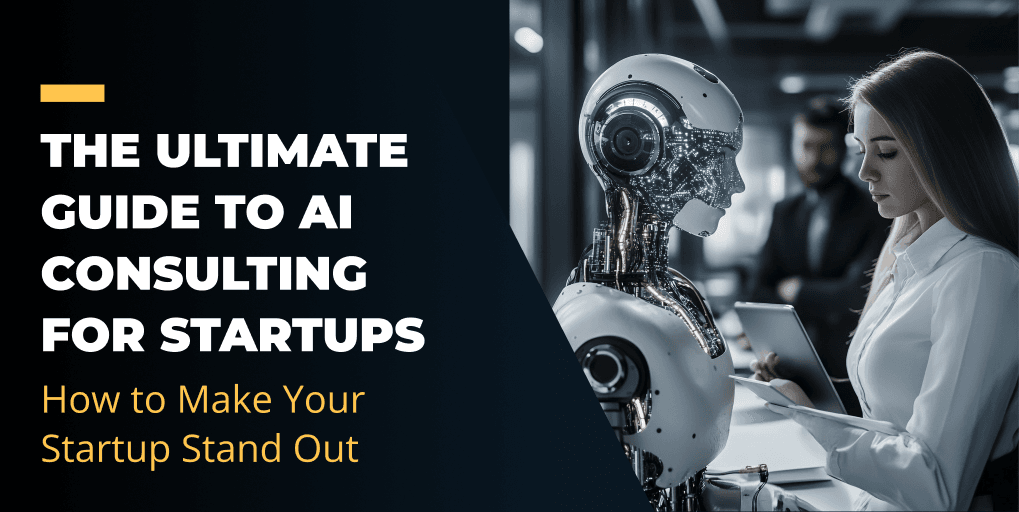
#Short Answer
Covers the ultimate guide to ai startups, including core concepts, practical examples, benefits, limitations, and risks in Business & Marketing.
#Infobox
#Overview
AI consulting for startups has emerged as a critical enabler for early-stage companies seeking to harness the power of artificial intelligence. Unlike traditional consulting, which often focuses on broad business strategies, AI consulting is deeply technical, requiring expertise in machine learning, data science, and software engineering. Startups, in particular, benefit from AI consulting as it allows them to compete with larger enterprises by automating processes, personalizing customer experiences, and making data-driven decisions. The demand for AI consulting has surged in recent years due to the proliferation of AI tools, cloud computing platforms, and open-source frameworks that make AI more accessible. Startups can now integrate AI into their core operations without the need for in-house AI teams, reducing barriers to entry. However, the complexity of AI technologies means that many startups require external guidance to avoid common pitfalls such as poor data quality, misaligned business objectives, or inefficient model deployment. AI consulting firms typically offer a range of services, from initial strategy sessions to full-scale implementation and ongoing support. These services are designed to align AI initiatives with a startup’s business goals while ensuring scalability and sustainability. For startups operating in competitive industries, AI consulting can be the difference between stagnation and rapid growth.
#History / Background
#Early Foundations (Pre-2010)
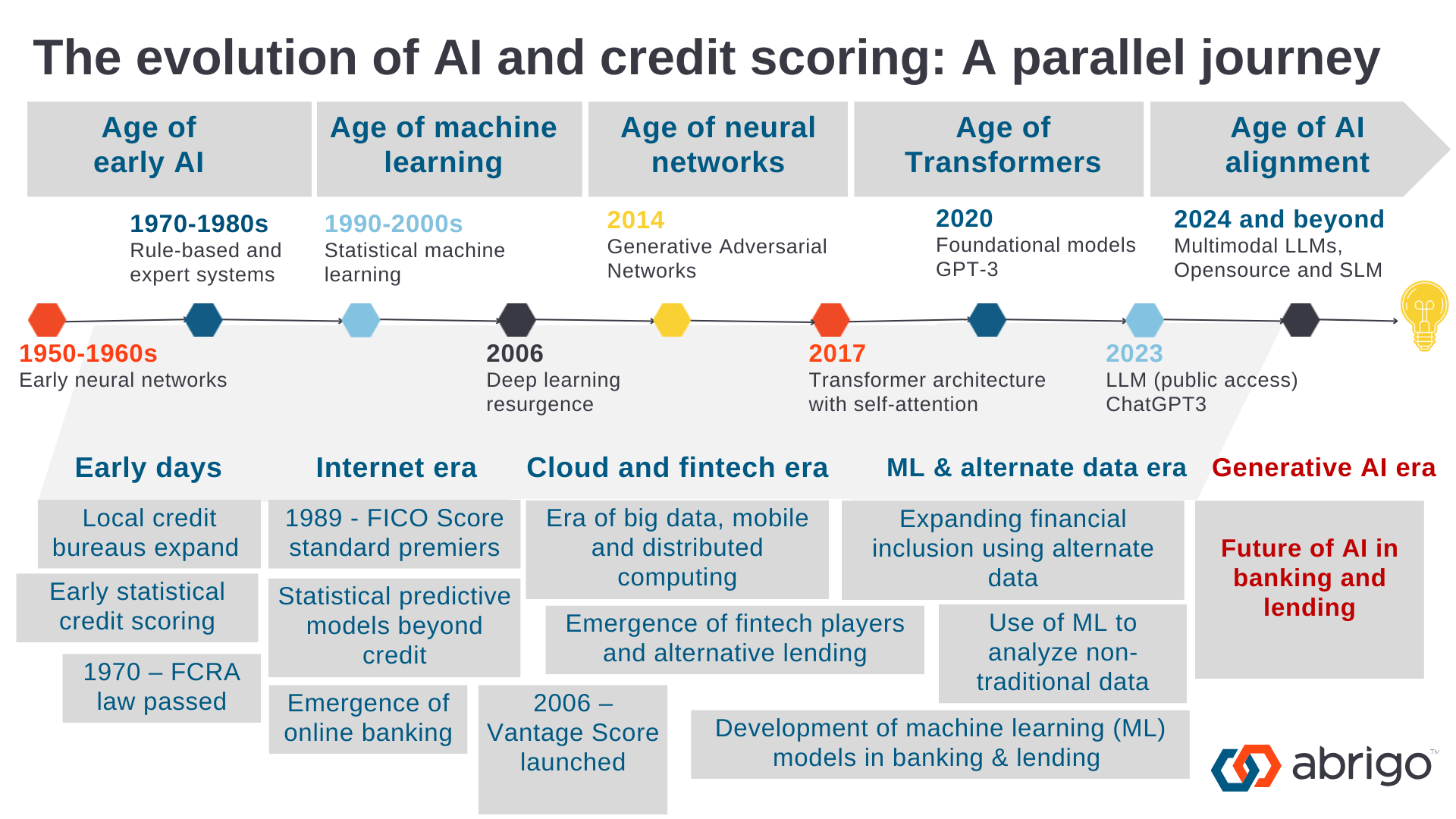
The concept of AI consulting traces back to the early days of artificial intelligence research in the mid-20th century. However, AI remained largely theoretical until the 1980s and 1990s, when expert systems and rule-based AI gained traction in enterprise settings. During this period, consulting firms began offering AI-related services, primarily to large corporations with the resources to invest in proprietary AI solutions.
#The Rise of Machine Learning (2010–2015)
The advent of machine learning (ML) and the availability of big data marked a turning point for AI consulting. Companies like Google, Amazon, and IBM started offering cloud-based AI services, making it easier for businesses to experiment with AI without building infrastructure from scratch. Startups, however, still faced significant challenges in adopting AI due to high costs and a lack of in-house expertise.
#Democratization of AI (2016–Present)
The launch of open-source AI frameworks such as TensorFlow (2015) and PyTorch (2016) democratized access to AI tools, enabling startups to build custom models without extensive resources. Concurrently, AI consulting firms began specializing in startup-specific needs, offering modular, cost-effective solutions. The COVID-19 pandemic further accelerated AI adoption, as businesses sought to automate processes and adapt to remote work environments.
#Key Milestones
- 2011: IBM Watson’s victory on Jeopardy! demonstrated the potential of AI in real-world applications.
- 2015: Google open-sourced TensorFlow, lowering the barrier to entry for AI development.
- 2018: The launch of AI-as-a-Service (AIaaS) platforms allowed startups to access AI tools on a subscription basis.
- 2020: The rise of no-code AI tools, such as Google’s AutoML, made AI more accessible to non-technical founders.
- 2023: Generative AI, exemplified by models like ChatGPT, became a focal point for startup consulting, enabling new use cases in content creation, customer service, and product development.
#How It Works
AI consulting for startups typically follows a structured process that ensures alignment between business objectives and technical execution. The process can be divided into several key phases:
#
- Discovery and Assessment
- Objective: Understand the startup’s business model, pain points, and long-term goals.
- Activities: - Conduct stakeholder interviews to identify challenges and opportunities. - Audit existing data infrastructure to assess data quality and availability. - Define key performance indicators (KPIs) for AI initiatives.
- Outcome: A clear roadmap outlining which AI solutions are feasible and how they will be implemented.
#
- Strategy and Planning
- Objective: Develop a tailored AI strategy that aligns with the startup’s vision.
- Activities: - Identify high-impact use cases (e.g., customer segmentation, demand forecasting, fraud detection). - Select appropriate AI technologies (e.g., supervised learning for classification, reinforcement learning for optimization). - Outline a phased implementation plan with realistic timelines and budgets.
- Outcome: A detailed AI strategy document that serves as a blueprint for execution.
#
- Data Preparation
- Objective: Ensure high-quality data is available for AI model training.
- Activities: - Clean and preprocess raw data to remove inconsistencies, duplicates, and errors. - Label data for supervised learning tasks (if applicable). - Augment data through techniques like synthetic data generation or transfer learning.
- Outcome: A curated dataset ready for model development.
#
- Model Development and Training
- Objective: Build and train AI models that address the startup’s specific needs.
- Activities: - Select algorithms based on the problem type (e.g., neural networks for image recognition, decision trees for classification). - Train models using the prepared dataset, optimizing for accuracy and efficiency. - Validate models through techniques like cross-validation and A/B testing.
- Outcome: A functional AI model that meets predefined performance metrics.
#
- Integration and Deployment
- Objective: Deploy the AI model into the startup’s existing workflows.
- Activities: - Integrate the model with business applications (e.g., CRM systems, e-commerce platforms). - Set up monitoring and logging to track model performance in real time. - Ensure scalability by leveraging cloud-based AI services (e.g., AWS SageMaker, Google Vertex AI).
- Outcome: A live AI system that delivers measurable business value.
#
- Optimization and Scaling
- Objective: Continuously improve the AI system and expand its capabilities.
- Activities: - Monitor model performance and retrain models with new data. - Optimize computational efficiency to reduce costs. - Explore advanced techniques like federated learning or edge AI for broader applications.
- Outcome: A sustainable AI solution that evolves with the startup’s growth.
#Important Facts
#Benefits of AI Consulting for Startups
- Cost Efficiency: AI consulting helps startups avoid costly trial-and-error by providing expert guidance on tool selection and implementation.
- Competitive Advantage: Early adoption of AI can differentiate a startup from competitors, particularly in industries like fintech, healthcare, and e-commerce.
- Scalability: AI solutions designed for startups can scale alongside the business, reducing the need for costly overhauls.
- Data-Driven Decisions: AI enables startups to leverage data for strategic planning, reducing reliance on intuition or guesswork.
- Automation: Routine tasks such as customer support (via chatbots), inventory management, and lead scoring can be automated, freeing up resources for innovation.
#Challenges and Risks
- High Initial Costs: While AI consulting can be cost-effective in the long run, the upfront investment in consulting fees, tools, and infrastructure can be prohibitive for early-stage startups.
- Talent Shortage: The demand for AI professionals often outstrips supply, making it difficult for startups to hire in-house experts.
- Data Privacy Concerns: AI systems require large datasets, which may include sensitive customer information. Compliance with regulations like GDPR or CCPA is critical.
- Model Bias and Fairness: Poorly trained AI models can perpetuate biases, leading to unfair outcomes in areas like hiring, lending, or customer service.
- Integration Complexity: AI solutions must seamlessly integrate with existing systems, which can be challenging for startups with limited technical resources.
#Key Industries Adopting AI Consulting
- Fintech: AI-driven fraud detection, algorithmic trading, and personalized financial advice.
- Healthcare: Predictive analytics for patient outcomes, AI-powered diagnostics, and drug discovery.
- E-commerce: Recommendation engines, dynamic pricing, and chatbots for customer support.
- Logistics: Route optimization, demand forecasting, and autonomous delivery systems.
- EdTech: Adaptive learning platforms and AI tutors tailored to individual student needs.
#Timeline
- Foundational ideas
Core concepts and early methods shape The Ultimate Guide to AI Startups.
- Practical use
Tools, examples, and real-world deployments make the topic easier to evaluate.
- Responsible implementation
Current work focuses on reliability, governance, performance, and measurable impact.
#Related Terms
#FAQ
What does The Ultimate Guide to AI Startups cover?
Covers the ultimate guide to ai startups, including core concepts, practical examples, benefits, limitations, and risks in Business & Marketing.
Why is The Ultimate Guide to AI Startups important?
It helps readers understand key concepts, compare practical use cases, and evaluate how Business & Marketing decisions affect outcomes, risks, and implementation choices.
What should readers verify before applying this topic?
Readers should compare benefits, limitations, data requirements, and related themes such as Ultimate, AI, Startups before using the ideas in real projects.
#References
- The Ultimate Guide to AI Startups terminology and background research
- The Ultimate Guide to AI Startups use cases, implementation examples, and limitations
- Business & Marketing best practices, standards, and risk guidance
- Ultimate case studies, benchmarks, and current industry analysis


Comments
No comments yet. Start the discussion with a useful note.