


#Short Answer
Explores how artificial intelligence shapes predictive analytics and preventing disease, covering practical use cases, benefits, limitations, and risks.
#Infobox
AI and predictive analytics transform healthcare by identifying disease risks, enabling early intervention, and improving patient outcomes through data-driven insights.
AI and Predictive Analytics in Healthcare Field Artificial intelligence, Predictive analytics Applications Disease prevention, early diagnosis, personalized treatment, risk stratification Key Technologies Machine learning, deep learning, natural language processing, big data Notable Developments IBM Watson Health, Google DeepMind, IBM Watson for Oncology Impact Reduced healthcare costs, improved patient outcomes, enhanced clinical decision-making
#This article is about the application of AI and predictive analytics in disease prevention. For broader applications, see Artificial intelligence and Predictive analytics.Overview
AI and predictive analytics are revolutionizing healthcare by leveraging advanced computational techniques to analyze vast datasets, identify patterns, and predict disease risks before symptoms manifest. These technologies enable healthcare providers to shift from reactive to proactive care, focusing on prevention rather than treatment. By integrating electronic health records (EHRs), genomic data, wearable device outputs, and environmental factors, AI models can forecast the likelihood of chronic diseases such as diabetes, cardiovascular conditions, and cancer. Predictive analytics, a subset of AI, uses statistical algorithms and machine learning to evaluate historical and real-time data, providing actionable insights for clinicians. The synergy between AI and predictive analytics not only enhances diagnostic accuracy but also optimizes resource allocation, reduces hospital readmissions, and lowers healthcare costs.
#History / Background
The foundations of AI in healthcare trace back to the 1950s, with early experiments in rule-based systems and expert systems designed to mimic human decision-making. The Dartmouth Conference of 1956 is often cited as the birth of AI as a formal discipline. In the 1970s and 1980s, expert systems like MYCIN, developed at Stanford University, demonstrated the potential of AI to assist in medical diagnosis by analyzing patient symptoms and recommending treatments. However, these early systems were limited by computational power and data availability.
The advent of big data in the 21st century, coupled with advances in machine learning and cloud computing, propelled AI in healthcare to new heights. The Human Genome Project (1990–2003) provided a massive dataset that fueled research into genomic-based predictive models. In 2011, IBM Watson made headlines by defeating human champions in the quiz show Jeopardy!, showcasing the potential of natural language processing in understanding and processing medical literature. Since then, AI-driven predictive analytics has become a cornerstone of precision medicine, with initiatives like the All of Us Research Program aiming to collect and analyze data from over a million participants to develop personalized health predictions.
#How It Works
#Data Collection and Integration
AI and predictive analytics rely on diverse data sources to build accurate models. These include:
- Electronic Health Records (EHRs): Structured data such as patient histories, lab results, and imaging reports.
- Genomic Data: DNA sequences that reveal genetic predispositions to diseases.
- Wearable Devices: Real-time data from fitness trackers and smartwatches, including heart rate, activity levels, and sleep patterns.
- Environmental and Lifestyle Data: Information from environmental sensors, dietary logs, and social determinants of health.
- Social Media and Public Health Data: Trends in online health discussions and epidemiological reports.
#Model Development
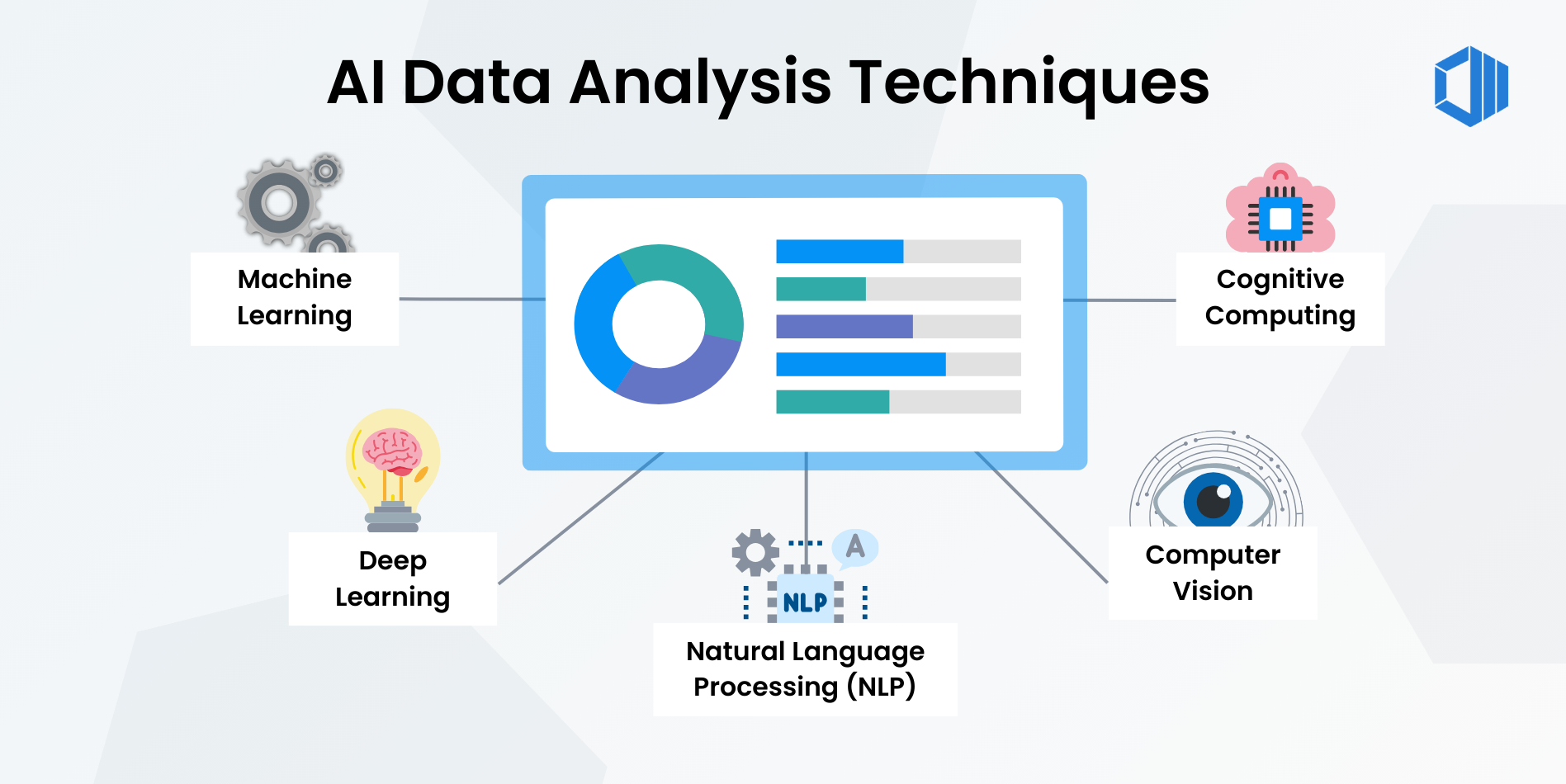
Once data is collected, it undergoes preprocessing to handle missing values, normalize formats, and remove biases. Machine learning algorithms, including supervised learning (e.g., logistic regression, random forests), unsupervised learning (e.g., clustering), and deep learning (e.g., neural networks), are then applied to identify patterns. For instance, a convolutional neural network (CNN) might analyze retinal images to predict diabetic retinopathy, while a recurrent neural network (RNN) could process sequential EHR data to forecast sepsis.
#Prediction and Intervention
Predictive models generate risk scores for individuals, categorizing them into low, medium, or high-risk groups. High-risk patients may be flagged for early interventions such as lifestyle modifications, preventive medications, or targeted screenings. For example, AI models can predict the likelihood of a patient developing heart disease within five years, allowing clinicians to recommend dietary changes or statin therapy. In oncology, predictive analytics assists in identifying individuals with a genetic predisposition to certain cancers, enabling proactive genetic testing and surveillance.
#Important Facts
- Accuracy: AI models can achieve over 90% accuracy in predicting diseases like diabetes and hypertension when trained on high-quality data.
- Cost Savings: Predictive analytics can reduce healthcare costs by up to 30% by preventing avoidable hospitalizations and optimizing treatment plans.
- Bias Mitigation: Techniques such as fairness-aware machine learning are employed to address biases in datasets, ensuring equitable predictions across demographic groups.
- Regulatory Approval: The U.S. Food and Drug Administration (FDA) has approved several AI-based predictive tools, including IDx-DR for diabetic retinopathy screening and Eko Health for heart disease detection.
- Global Adoption: Countries like the UK, Germany, and Singapore have integrated AI-driven predictive analytics into national health systems to improve population health outcomes.
#Timeline
Year Event 1956 Dartmouth Conference establishes AI as a field of study. 1970s Development of expert systems like MYCIN for medical diagnosis. 1990–2003 Human Genome Project generates vast genomic datasets. 2011 IBM Watson wins Jeopardy!, demonstrating AI's potential in processing medical literature. 2016 Google DeepMind's AI outperforms humans in diagnosing eye diseases from retinal scans. 2018 FDA approves IDx-DR, the first AI-based diagnostic tool for diabetic retinopathy. 2020 AI models predict COVID-19 outcomes using patient data and imaging. 2023 All of Us Research Program reaches milestone of 1 million participants, enabling large-scale predictive modeling.
#Related Terms
#FAQ
What does AI And Predictive Analytics: Preventing Disease cover?
Explores how artificial intelligence shapes predictive analytics and preventing disease, covering practical use cases, benefits, limitations, and risks.
Why is AI And Predictive Analytics: Preventing Disease important?
It helps readers understand key concepts, compare practical use cases, and evaluate how Artificial Intelligence decisions affect outcomes, risks, and implementation choices.
What should readers verify before applying this topic?
Readers should compare the benefits, limitations, data requirements, and related themes such as Predictive, Analytic, Preventing before using the ideas in real projects.
#References
- AI And Predictive Analytics: Preventing Disease terminology and background research
- AI And Predictive Analytics: Preventing Disease use cases, implementation examples, and limitations
- Artificial Intelligence best practices, standards, and risk guidance
- Predictive case studies, benchmarks, and current industry analysis


Comments
No comments yet. Start the discussion with a useful note.