

#Short Answer
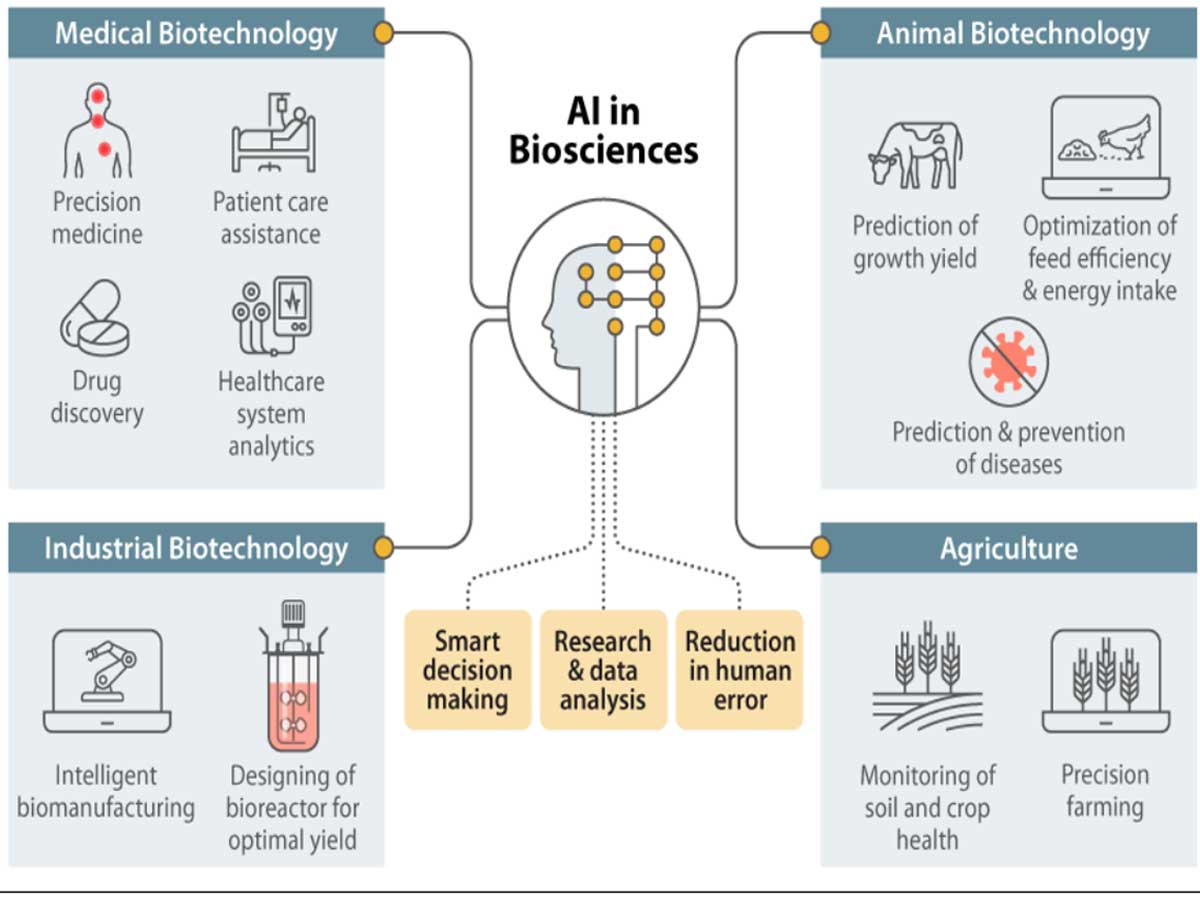
Artificial intelligence has become a transformative force in biology, bridging the gap between vast biological datasets and actionable insights. By leveraging AI-driven tools, researchers can interpret complex biological interactions, predict protein structures, identify disease biomarkers, and optimize experimental designs. The integration of AI with biology has given rise to fields such as bioinformatics, systems biology, and synthetic biology, fostering interdisciplinary collaboration to unravel the mysteries of life.
#Infobox
#Overview
Artificial intelligence has become a transformative force in biology, bridging the gap between vast biological datasets and actionable insights. By leveraging AI-driven tools, researchers can interpret complex biological interactions, predict protein structures, identify disease biomarkers, and optimize experimental designs. The integration of AI with biology has given rise to fields such as bioinformatics, systems biology, and synthetic biology, fostering interdisciplinary collaboration to unravel the mysteries of life.
Key areas where AI is making significant contributions include:
- Genomics: AI algorithms analyze DNA sequences to identify genetic variations, predict disease risks, and personalize medical treatments.
- Proteomics: Machine learning models predict protein folding and interactions, crucial for drug design and understanding cellular functions.
- Drug Discovery: AI accelerates the identification of potential drug candidates by screening vast chemical libraries and simulating molecular interactions.
- Medical Diagnostics: AI-powered imaging and pattern recognition tools enhance early disease detection, including cancer and neurological disorders.
- Synthetic Biology: AI assists in designing and optimizing biological circuits for applications in biofuels, bioremediation, and biomanufacturing.
#How It Works
#Data Collection and Preprocessing
AI in biology relies on high-quality biological data, which is collected from various sources, including:
- Genomic databases (e.g., GenBank, Ensembl)
- Proteomic datasets (e.g., UniProt, Protein Data Bank)
- Medical imaging (e.g., MRI, CT scans, X-rays)
- Electronic health records (EHRs)
- High-throughput experimental data (e.g., CRISPR screens, single-cell RNA sequencing)
Data preprocessing involves cleaning, normalizing, and annotating datasets to ensure consistency and accuracy. Techniques such as dimensionality reduction (e.g., PCA, t-SNE) and feature extraction are employed to handle high-dimensional biological data.
#Machine Learning and Deep Learning
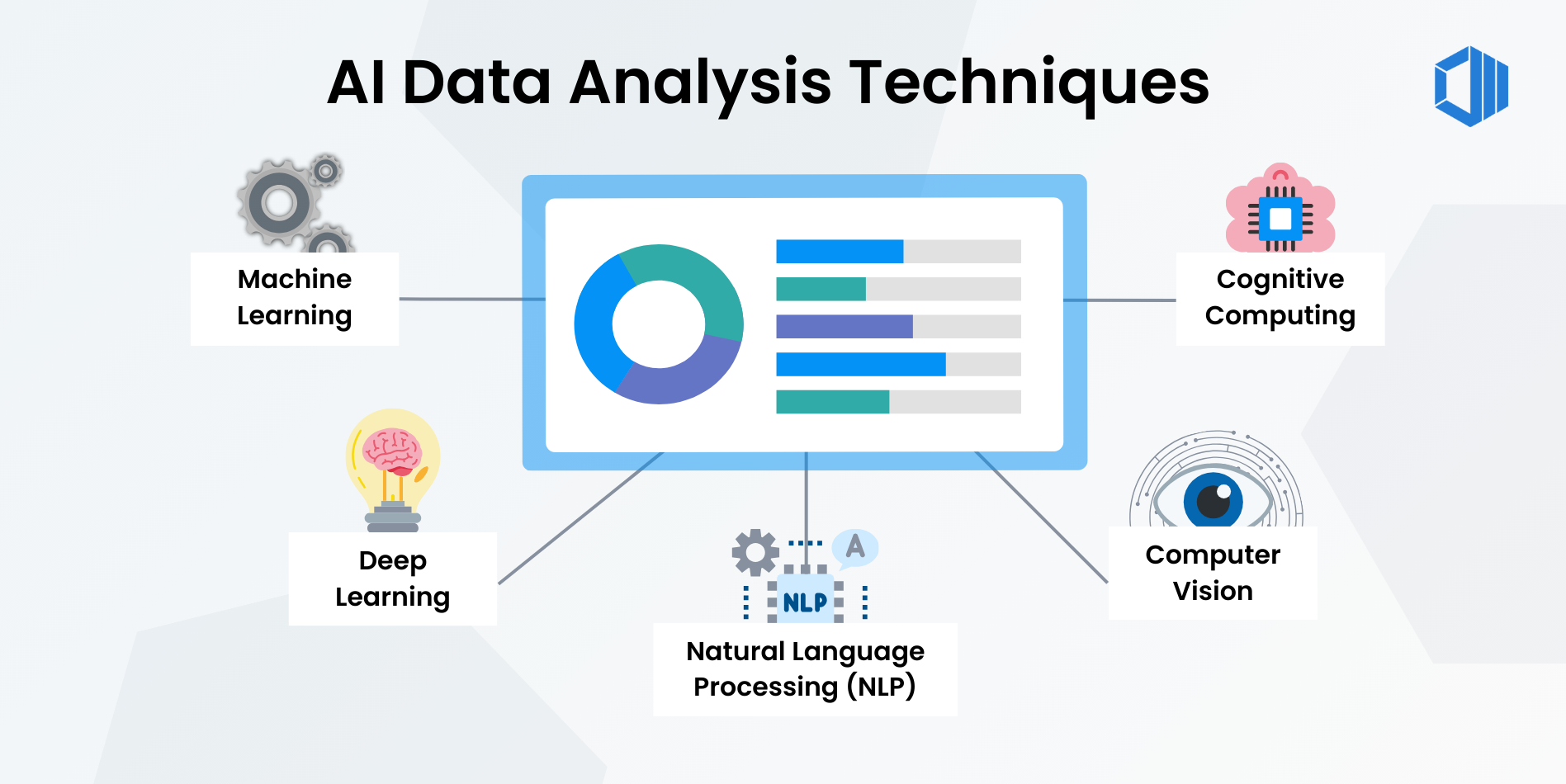
AI models in biology are broadly categorized into supervised, unsupervised, and reinforcement learning approaches:
- Supervised Learning: Used for classification and regression tasks, such as predicting disease outcomes or drug efficacy. Examples include support vector machines (SVMs) and random forests.
- Unsupervised Learning: Identifies patterns and structures in unlabeled data, such as clustering gene expression profiles or detecting anomalies in medical images. Techniques include k-means clustering and autoencoders.
- Reinforcement Learning: Optimizes decision-making processes, such as designing optimal drug combinations or robotic-assisted surgeries.
Deep learning, a subset of machine learning, employs neural networks with multiple layers to model complex biological phenomena. Convolutional neural networks (CNNs) are widely used for image-based tasks, while recurrent neural networks (RNNs) and transformers excel in sequence-based predictions, such as DNA or protein sequences.
#Key AI Tools in Biology
Several AI-driven tools and platforms have gained prominence in biological research:
- AlphaFold: Developed by DeepMind, AlphaFold predicts protein structures with high accuracy, revolutionizing structural biology and drug discovery.
- DeepChem: An open-source library for deep learning in chemistry and biology, enabling researchers to apply AI models to drug discovery and molecular design.
- CRISPResso: Uses machine learning to analyze CRISPR gene-editing experiments, improving the precision of genome engineering.
- DeepVariant: A deep learning-based tool for identifying genetic variants from sequencing data, enhancing the accuracy of genomic studies.
- IBM Watson for Oncology: An AI-powered platform that assists clinicians in diagnosing and treating cancer by analyzing patient data and medical literature.
#Important Facts
- AlphaFold's Impact: AlphaFold's prediction of nearly all known protein structures (over 200 million) in 2022 was hailed as a breakthrough in structural biology, reducing the time required for structure determination from years to days.
- AI in Drug Discovery: AI has reduced the average drug discovery timeline from 10–15 years to 2–5 years, significantly lowering costs and increasing success rates.
- Personalized Medicine: AI enables the analysis of individual genetic profiles to tailor treatments, such as in oncology, where AI models predict patient responses to immunotherapy.
- Ethical Considerations: The use of AI in biology raises ethical concerns, including data privacy, bias in algorithms, and the potential for misuse in genetic engineering (e.g., designer babies).
- Collaborative Efforts: Initiatives like the All of Us Research Program leverage AI to analyze diverse genetic datasets, aiming to improve health outcomes across populations.
#Timeline
- Discovery of the DNA
Discovery of the DNA double helix structure by Watson and Crick, laying the foundation for computational biology.
- First use of computers
First use of computers to analyze protein sequences, marking the beginning of bioinformatics.
- Development of the first
Development of the first DNA sequencing methods, enabling the generation of biological data for AI analysis.
- Launch of the Human
Launch of the Human Genome Project, creating a need for computational tools to process genomic data.
- Completion of the Human
Completion of the Human Genome Project, providing a massive dataset for AI-driven research.
- Google's DeepMind team begins
Google's DeepMind team begins applying deep learning to biological problems, including protein folding.
- AlphaFold wins the Critical
AlphaFold wins the Critical Assessment of Structure Prediction (CASP) competition, demonstrating breakthroughs in protein structure prediction.
- AlphaFold 2 achieves near-expe
AlphaFold 2 achieves near-experimental accuracy in predicting protein structures, published in *Nature*.
- AI-driven tools like DeepChem
AI-driven tools like DeepChem and CRISPResso gain widespread adoption in drug discovery and gene editing.
- AlphaFold releases predictions
AlphaFold releases predictions for nearly all known protein structures, democratizing access to structural biology data.
- AI models begin integrating
AI models begin integrating multimodal data (e.g., genomics, proteomics, imaging) for comprehensive biological insights.
#Related Terms
#FAQ
What does AI And Biology: Understanding Life cover?
Explores how artificial intelligence shapes biology and understanding life, covering practical use cases, benefits, limitations, and risks.
Why is AI And Biology: Understanding Life important?
It helps readers understand key concepts, compare practical use cases, and evaluate how Artificial Intelligence decisions affect outcomes, risks, and implementation choices.
What should readers verify before applying this topic?
Readers should compare the benefits, limitations, data requirements, and related themes such as Biology, Understanding, Life before using the ideas in real projects.
#References
- AI And Biology: Understanding Life terminology and background research
- AI And Biology: Understanding Life use cases, implementation examples, and limitations
- Artificial Intelligence best practices, standards, and risk guidance
- Biology case studies, benchmarks, and current industry analysis



Comments
No comments yet. Start the discussion with a useful note.