

#Short Answer
Artificial Intelligence (AI) and Big Data are transformative technologies that enable machines to learn from vast datasets, uncover hidden patterns, and make data-driven decisions. When combined, they enhance predictive analytics, automation, and real-time decision-making across industries such as healthcare, finance, and retail.
#Infobox
#Overview
Artificial Intelligence (AI) and Big Data represent two of the most disruptive technological advancements of the 21st century. AI refers to the simulation of human intelligence in machines, enabling them to perform tasks such as reasoning, learning, and problem-solving. Big Data, on the other hand, involves the collection, processing, and analysis of massive datasets that are too complex for traditional data-processing methods.
The synergy between AI and Big Data has revolutionized industries by allowing organizations to extract actionable insights from vast amounts of unstructured and structured data. This integration facilitates advanced analytics, automation, and real-time decision-making, driving innovation and efficiency across sectors such as healthcare, finance, retail, and manufacturing.
AI-powered tools, including machine learning algorithms and deep learning models, thrive on Big Data, as they require large volumes of high-quality data to train effectively. Conversely, Big Data analytics benefits from AI techniques to uncover hidden patterns, predict trends, and optimize processes. Together, these technologies form a powerful ecosystem that is reshaping the digital landscape.
#History / Background
#Early Foundations of AI
The concept of AI dates back to the 1950s, when computer scientist John McCarthy coined the term "artificial intelligence" in 1956. Early AI research focused on symbolic reasoning and rule-based systems, with notable milestones including the development of the Logic Theorist by Allen Newell and Herbert Simon in 1956 and the General Problem Solver in 1957. These systems laid the groundwork for expert systems in the 1970s and 1980s, which mimicked human decision-making in specific domains.
#Evolution of Big Data
Big Data emerged as a distinct field in the early 2000s, driven by the exponential growth of digital data from sources such as social media, sensors, and transaction records. The term "Big Data" was popularized by industry analyst Doug Laney in 2001, who described it using the "3Vs" framework: Volume (scale of data), Velocity (speed of data generation), and Variety (types of data). Later, additional "Vs" such as Veracity (data quality) and Value (business impact) were added to the framework.
#Convergence of AI and Big Data
The convergence of AI and Big Data gained momentum in the 2010s, fueled by advancements in computing power, cloud storage, and machine learning algorithms. The rise of deep learning, a subset of AI inspired by the structure of the human brain, enabled breakthroughs in image recognition, natural language processing, and autonomous systems. Companies like Google, Amazon, and IBM invested heavily in AI-driven Big Data solutions, leading to the development of platforms such as Google's TensorFlow, IBM's Watson, and Amazon's SageMaker.
Today, AI and Big Data are integral to digital transformation, enabling organizations to harness the power of data for competitive advantage, innovation, and operational efficiency.
#How It Works
#Big Data Processing
Big Data processing involves several stages:
- Data Collection: Gathering data from diverse sources such as databases, IoT devices, social media, and transaction logs.
- Data Storage: Storing data in scalable systems like Hadoop Distributed File System (HDFS), cloud storage (AWS S3, Google Cloud Storage), or data lakes.
- Data Processing: Cleaning, transforming, and organizing raw data using tools like Apache Spark, Hadoop MapReduce, or SQL databases.
- Data Analysis: Applying statistical methods, machine learning models, and AI algorithms to extract insights and identify patterns.
#AI Techniques in Big Data
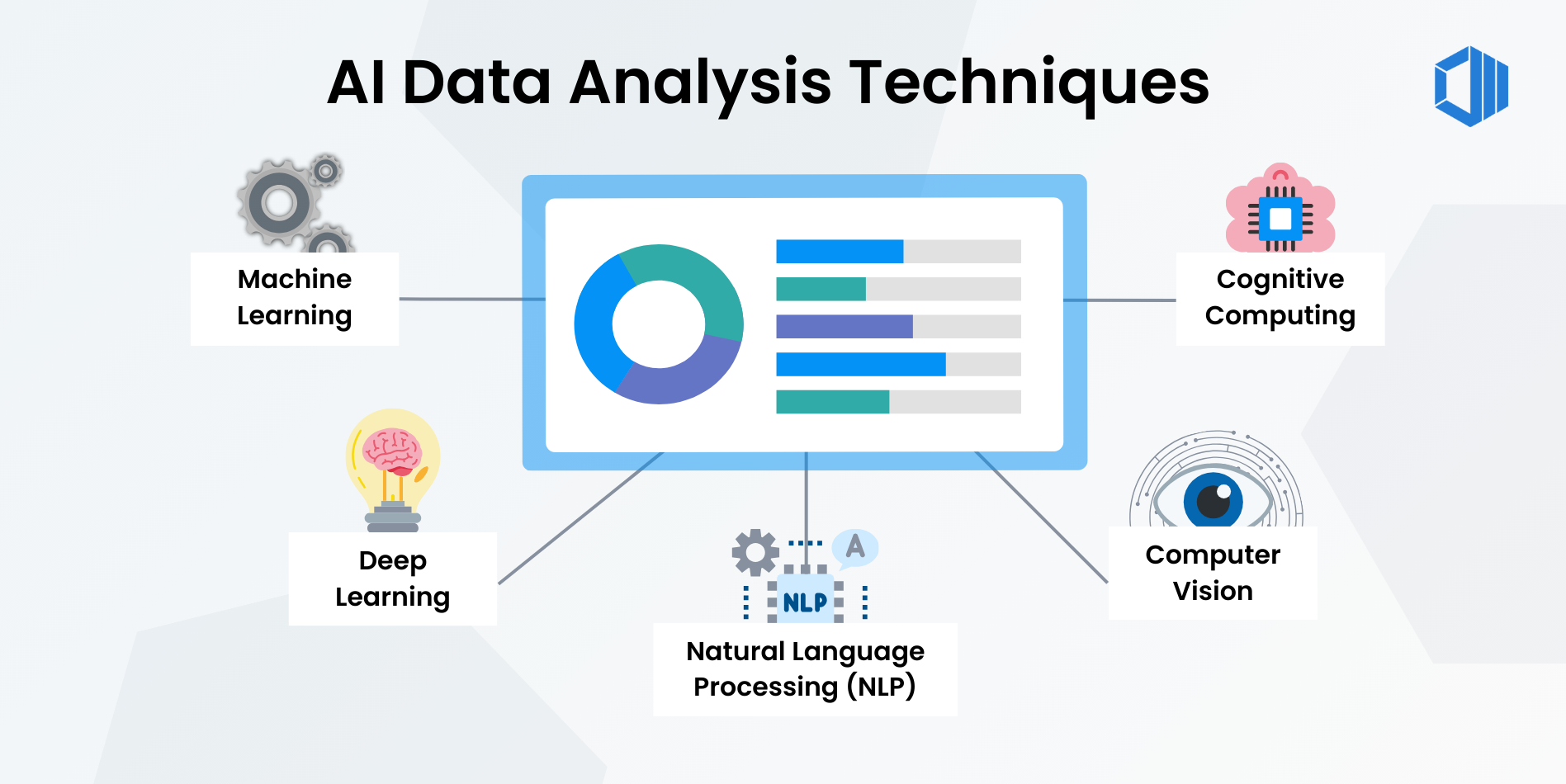
AI enhances Big Data analytics through various techniques:
- Machine Learning (ML): Algorithms such as linear regression, decision trees, and support vector machines (SVM) are used to identify trends and make predictions.
- Deep Learning: Neural networks with multiple layers (e.g., convolutional neural networks for image recognition, recurrent neural networks for time-series data) enable complex pattern recognition.
- Natural Language Processing (NLP): AI models analyze and generate human language, enabling chatbots, sentiment analysis, and language translation.
- Computer Vision: AI systems interpret and analyze visual data from images and videos, used in applications like facial recognition and autonomous vehicles.
#Integration and Automation
The integration of AI and Big Data often involves automated pipelines where data is continuously ingested, processed, and analyzed in real time. For example, a retail company might use AI-powered recommendation engines to suggest products to customers based on their browsing and purchase history. Similarly, a healthcare provider might employ predictive analytics to identify patients at risk of chronic diseases by analyzing electronic health records and wearable device data.
#Important Facts
- Data Growth: By 2025, the global datasphere is expected to reach 175 zettabytes, with AI and Big Data playing a central role in managing and analyzing this data.
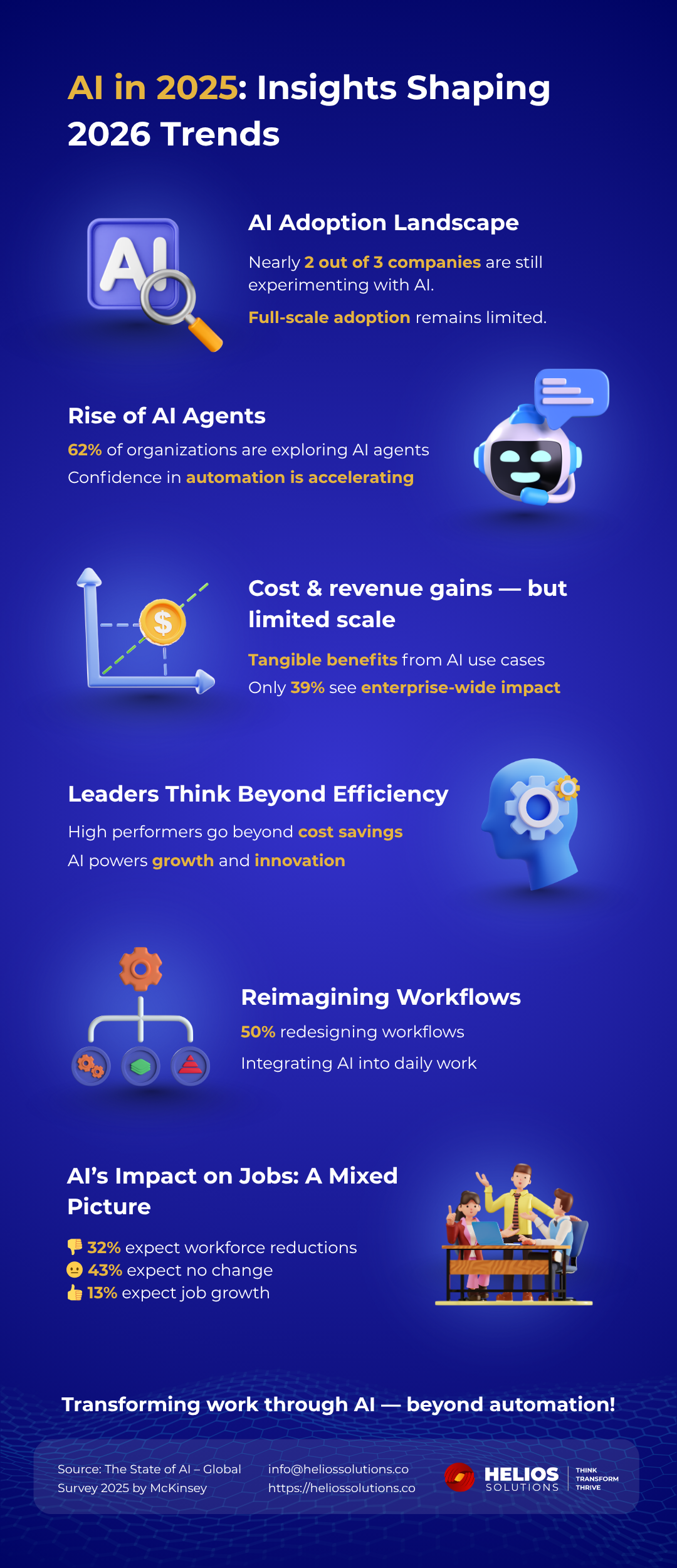
- AI Adoption: According to a 2023 report by McKinsey, 50% of companies have adopted AI in at least one business function, with Big Data analytics being a key driver.
- Cost Savings: AI-driven Big Data analytics can reduce operational costs by up to 30% in industries like manufacturing and logistics.
- Ethical Concerns: The use of AI and Big Data raises ethical issues such as data privacy, algorithmic bias, and the potential for misuse in surveillance.
- Industry Impact: The healthcare sector benefits from AI-powered diagnostics, while the financial industry uses Big Data for fraud detection and risk assessment.
- Hardware Innovations: Advances in Graphics Processing Units (GPUs) and Tensor Processing Units (TPUs) have accelerated AI model training, making it feasible to process large datasets efficiently.
- Regulatory Frameworks: Governments worldwide are implementing regulations such as the EU's General Data Protection Regulation (GDPR) and the California Consumer Privacy Act (CCPA) to govern data usage and AI applications.
#Timeline
- Alan Turing publishes 'Comput
Alan Turing publishes 'Computing Machinery and Intelligence,' introducing the Turing Test for AI.
- John McCarthy coins the
John McCarthy coins the term 'artificial intelligence' at the Dartmouth Conference.
- ELIZA, an early natural
ELIZA, an early natural language processing program, is developed by Joseph Weizenbaum.
- IBM's Deep Blue defeats
IBM's Deep Blue defeats world chess champion Garry Kasparov, marking a milestone in AI.
- Doug Laney introduces the
Doug Laney introduces the '3Vs' framework for Big Data (Volume, Velocity, Variety).
- IBM's Watson wins Jeopardy!
IBM's Watson wins Jeopardy!, demonstrating the potential of AI in natural language understanding.
- Google's deep learning system
Google's deep learning system achieves human-level performance in image recognition.
- AlphaGo, developed by DeepMind
AlphaGo, developed by DeepMind, defeats a world champion Go player, showcasing the power of reinforcement learning.
- GDPR comes into effect
GDPR comes into effect, establishing strict data protection regulations in the EU.
- AI-driven COVID-19 research ac
AI-driven COVID-19 research accelerates, with machine learning models aiding in drug discovery and pandemic modeling.
- Generative AI models like
Generative AI models like DALL-E and ChatGPT gain widespread adoption, transforming content creation and customer service.
#Related Terms
#FAQ
What does AI And Big Data: Unlocking Insights cover?
Explores how artificial intelligence shapes big data and unlocking insights, covering practical use cases, benefits, limitations, and risks.
Why is AI And Big Data: Unlocking Insights important?
It helps readers understand key concepts, compare practical use cases, and evaluate how Artificial Intelligence decisions affect outcomes, risks, and implementation choices.
What should readers verify before applying this topic?
Readers should compare the benefits, limitations, data requirements, and related themes such as Big, Data, Unlocking before using the ideas in real projects.
#References
- AI And Big Data: Unlocking Insights terminology and background research
- AI And Big Data: Unlocking Insights use cases, implementation examples, and limitations
- Artificial Intelligence best practices, standards, and risk guidance
- Big case studies, benchmarks, and current industry analysis

Comments
No comments yet. Start the discussion with a useful note.