

#Short Answer
Explains how does ai in business work?, including the main process, tools, examples, risks, and practical implementation steps.
#Infobox
#History / Background
Early Foundations (1950s–1980s) The concept of AI dates back to the 1950s, when computer scientists such as Alan Turing and John McCarthy explored the idea of machines that could simulate human intelligence. Early AI systems were rule-based and limited in scope, often confined to academic research. During the 1980s, expert systems gained popularity in business, using predefined rules to make decisions in domains like finance and healthcare. However, these systems were rigid and required extensive manual input, limiting their scalability.
The Rise of Machine Learning (1990s–2000s) The late 20th century saw the emergence of machine learning (ML), a subset of AI that enables systems to learn from data without explicit programming. Businesses began using ML for tasks such as credit scoring, customer segmentation, and recommendation engines. The availability of large datasets and improvements in computational power laid the groundwork for more sophisticated AI applications. However, widespread adoption was still constrained by technical limitations and high implementation costs.
Modern AI Revolution (2010s–Present) The 2010s marked a turning point with the advent of deep learning, a form of ML that uses neural networks with multiple layers to process complex data such as images, speech, and text. Breakthroughs in natural language processing (NLP) led to the development of virtual assistants like Siri and Alexa. Businesses rapidly adopted AI across sectors:
- Retail: AI-powered recommendation systems (e.g., Amazon, Netflix)
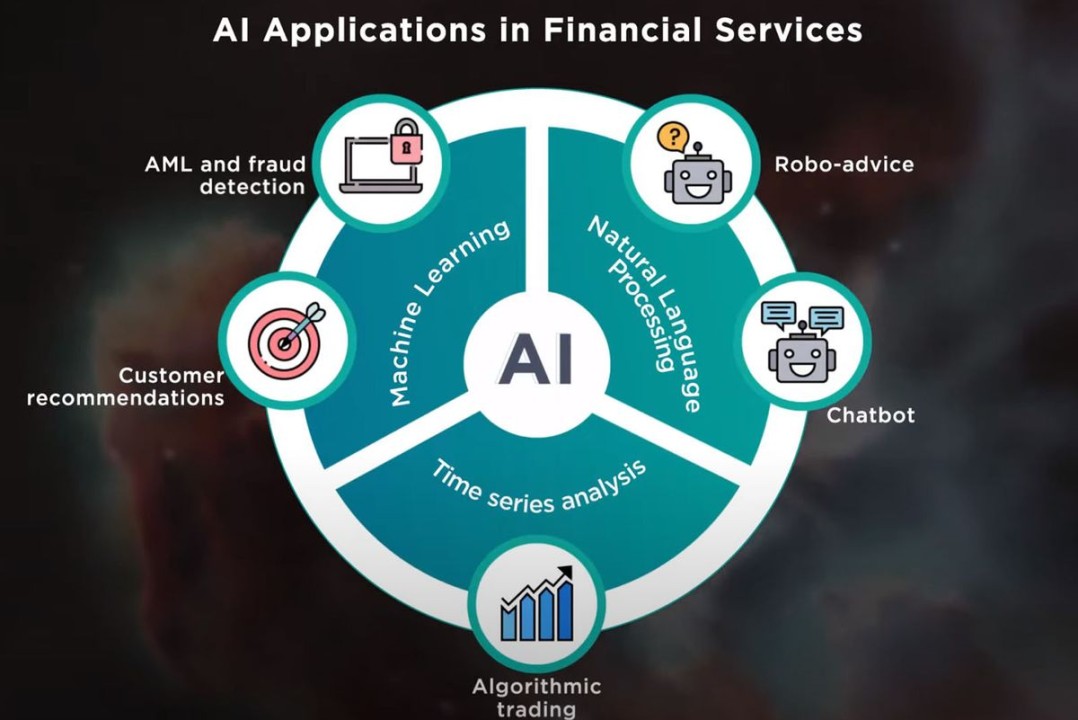
- Finance: Fraud detection and algorithmic trading
- Healthcare: Diagnostic tools and personalized treatment plans
- Manufacturing: Predictive maintenance and robotics The proliferation of cloud computing and AI-as-a-service platforms (e.g., AWS AI, Google Cloud AI) has democratized access to AI tools, enabling even small businesses to implement AI solutions.
#How It Works
Core AI Technologies in Business
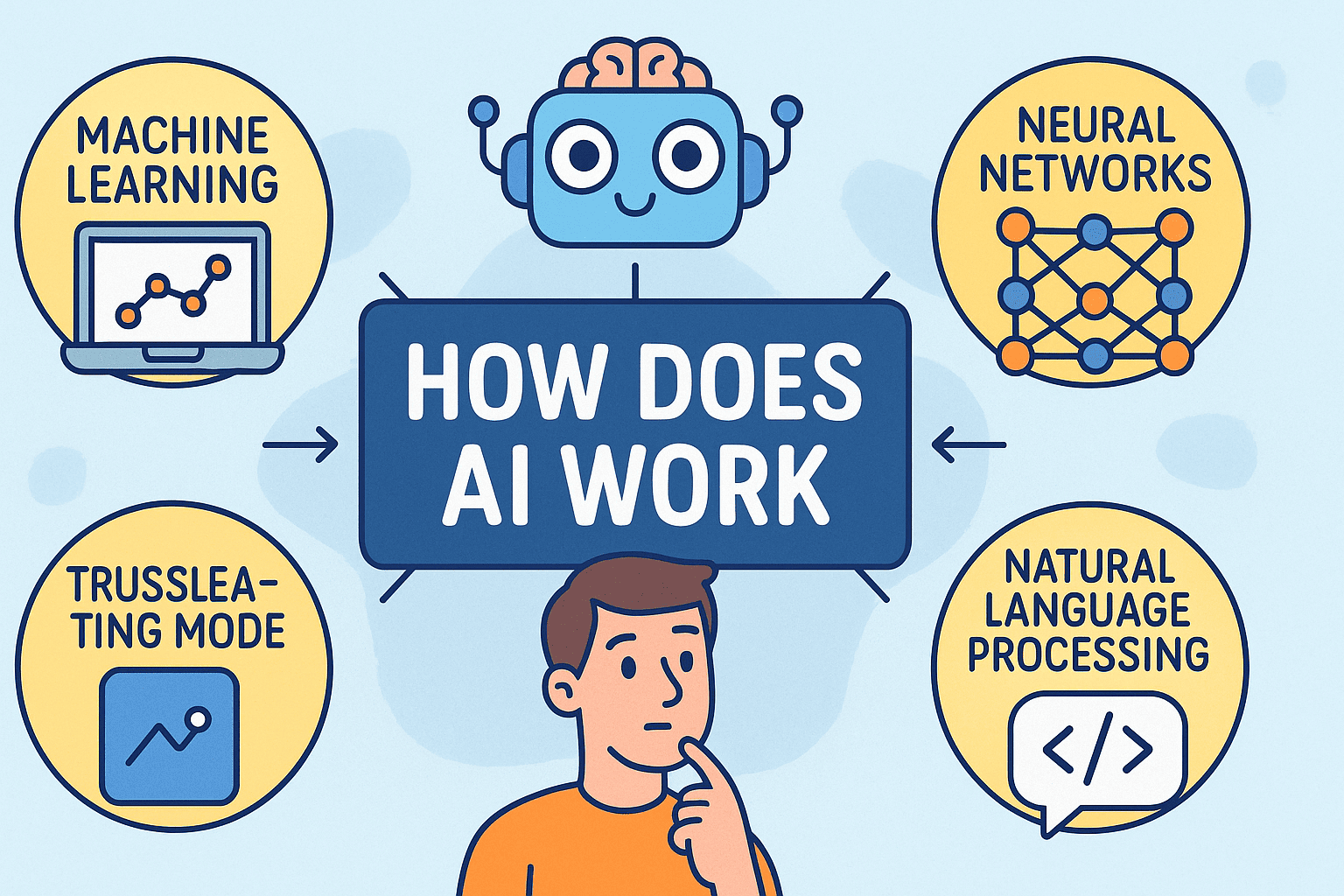
- Machine Learning (ML) - Algorithms learn from historical data to make predictions or decisions. - Used in demand forecasting, customer churn prediction, and inventory management.
- Natural Language Processing (NLP) - Enables machines to understand, interpret, and generate human language. - Powers chatbots, sentiment analysis, and automated document processing.
- Computer Vision - Analyzes visual data from images or videos. - Applied in quality control, facial recognition, and autonomous vehicles.
- Robotic Process Automation (RPA) - Uses software robots to automate repetitive, rule-based tasks. - Common in data entry, invoice processing, and customer onboarding.
- Predictive Analytics - Combines AI and statistical techniques to forecast future trends. - Used in risk assessment, sales forecasting, and supply chain optimization.
AI Integration in Business Processes AI systems typically follow a structured workflow:
- Data Collection: Gathering structured and unstructured data from sources like CRM systems, IoT devices, and social media.
- Data Preprocessing: Cleaning, normalizing, and transforming data to make it suitable for analysis.
- Model Training: Using ML algorithms to train models on historical data.
- Deployment: Integrating AI models into business applications (e.g., ERP, CRM).
- Monitoring and Optimization: Continuously evaluating model performance and refining algorithms.
Examples of AI Applications
- Customer Service: AI chatbots (e.g., Zendesk Answer Bot) handle routine inquiries, reducing response times.
- Marketing: AI tools analyze customer behavior to personalize email campaigns and recommend products.
- Supply Chain: AI predicts demand fluctuations and optimizes inventory levels.
- Human Resources: AI-driven tools screen resumes, schedule interviews, and analyze employee sentiment.
#Important Facts
- Efficiency Gains: Businesses using AI report up to 40% reduction in operational costs and 30% improvement in productivity.
- Data Dependency: AI systems require high-quality, diverse datasets; poor data quality can lead to inaccurate predictions.
- Ethical Considerations: Bias in AI models can result in discriminatory outcomes, particularly in hiring and lending decisions.
- Regulatory Compliance: Businesses must adhere to data protection laws (e.g., GDPR, CCPA) when implementing AI.
- Skill Shortage: There is a global shortage of AI talent, with demand for data scientists and ML engineers outpacing supply.
- ROI Timeline: While AI offers long-term benefits, initial implementation costs and training periods can delay measurable returns.
- Hybrid Models: Many businesses combine AI with human oversight to balance automation and judgment.
#Timeline
- Foundational ideas
Core concepts and early methods shape How Does AI in Business Work?.
- Practical use
Tools, examples, and real-world deployments make the topic easier to evaluate.
- Responsible implementation
Current work focuses on reliability, governance, performance, and measurable impact.
#Related Terms
#FAQ
What does How Does AI in Business Work? cover?
Explains how does ai in business work?, including the main process, tools, examples, risks, and practical implementation steps.
Why is How Does AI in Business Work? important?
It helps readers understand key concepts, compare practical use cases, and evaluate how Business & Marketing decisions affect outcomes, risks, and implementation choices.
What should readers verify before applying this topic?
Readers should compare benefits, limitations, data requirements, and related themes such as Does, AI, Business before using the ideas in real projects.
#References
- How Does AI in Business Work? terminology and background research
- How Does AI in Business Work? use cases, implementation examples, and limitations
- Business & Marketing best practices, standards, and risk guidance
- Does case studies, benchmarks, and current industry analysis


Comments
No comments yet. Start the discussion with a useful note.