


#Short Answer
Explores how artificial intelligence shapes wellness and holistic health, covering practical use cases, benefits, limitations, and risks.
#Infobox
#Overview
Artificial intelligence (AI) has emerged as a transformative force in the wellness industry, redefining how individuals approach health and well-being. By leveraging advanced algorithms and real-time data analytics, AI systems enable personalized health interventions that go beyond generic advice. This integration spans multiple domains—fitness, nutrition, mental health, sleep optimization, and chronic disease management—creating a holistic ecosystem where technology acts as a proactive partner in maintaining and improving health.
Unlike traditional wellness models that rely on one-size-fits-all guidelines, AI-driven wellness platforms adapt to individual biometrics, lifestyle patterns, and genetic predispositions. These systems continuously learn from user behavior, environmental factors, and emerging medical research, ensuring that recommendations remain relevant and evidence-based. The result is a shift from reactive healthcare to preventive and predictive wellness, where potential health issues are identified and addressed before they escalate.
#History / Background
The intersection of AI and wellness traces its roots to the late 20th century, when early expert systems and rule-based algorithms began assisting in medical diagnostics. However, the modern era of AI-powered wellness began in the 2010s with the proliferation of wearable devices and mobile health applications. The introduction of smartphones with motion sensors, heart rate monitors, and GPS capabilities enabled continuous data collection, forming the foundation for AI-driven insights.
In 2015, the launch of MyFitnessPal with AI-powered calorie tracking and WHOOP, a wearable fitness tracker that analyzes strain and recovery, marked significant milestones. The following year saw the rise of conversational AI in wellness, exemplified by Woebot, a mental health chatbot using cognitive behavioral therapy (CBT) techniques. By 2018, companies like Nutrino (acquired by Medtronic) began applying deep learning to personalize nutrition plans based on metabolic data.
The COVID-19 pandemic accelerated adoption, as remote monitoring and telehealth became essential. AI platforms such as IBM Watson Health and Google Health integrated predictive models to assess patient risk factors and recommend lifestyle modifications. Today, AI wellness tools are increasingly embedded in smart home devices, corporate wellness programs, and insurance models, reflecting a broader cultural shift toward data-informed self-care.
#How It Works
#Data Collection and Integration
AI wellness systems rely on diverse data streams, including:
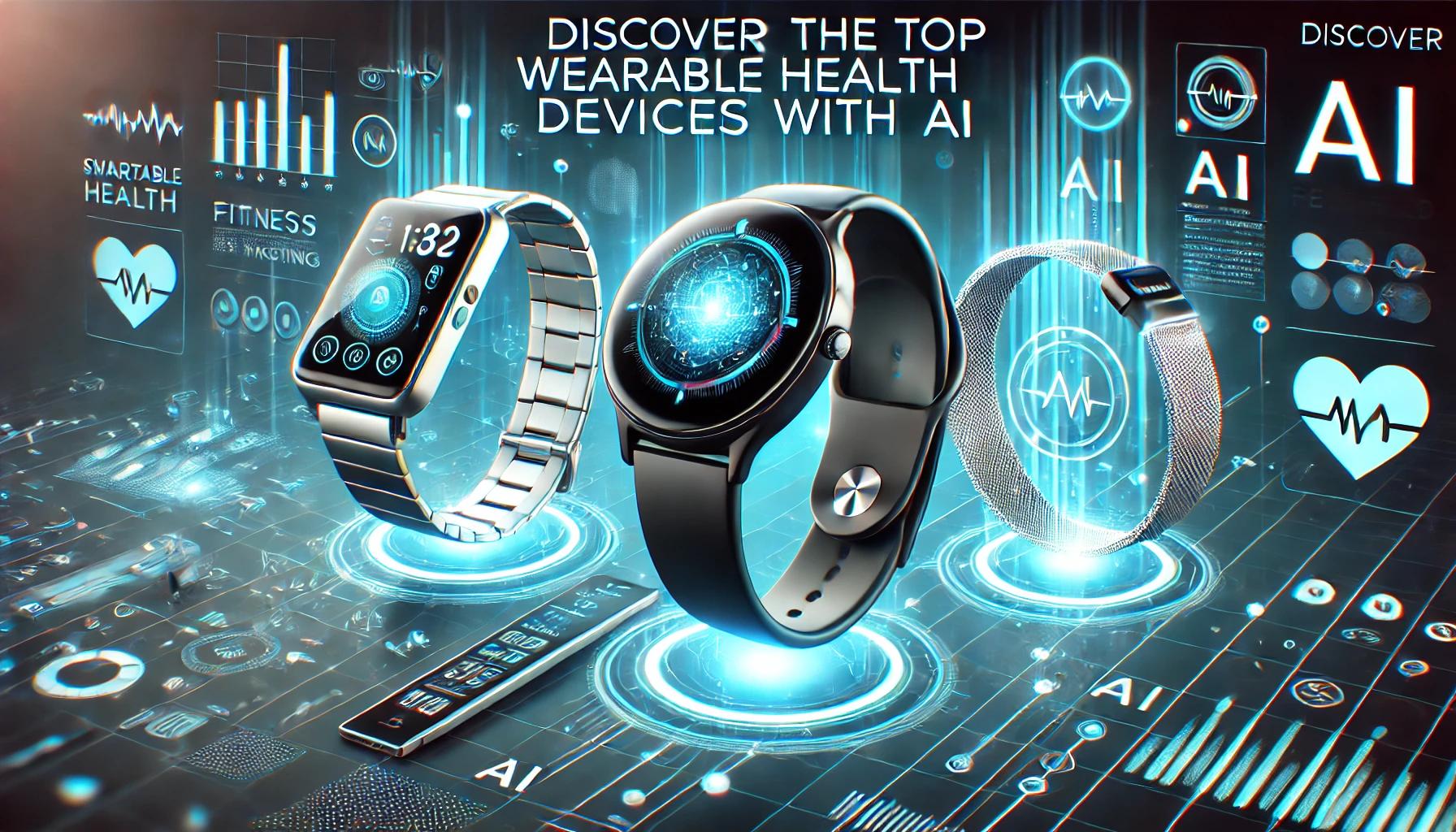
- Biometric Data: Heart rate variability (HRV), sleep stages, blood oxygen levels, and physical activity tracked via wearables (e.g., Fitbit, Apple Watch).
- User-Reported Input: Diet logs, mood assessments, stress levels, and symptom tracking entered through mobile apps.
- Environmental Data: Air quality, weather patterns, and location-based activity (e.g., steps taken, gym attendance).
- Genomic and Metabolic Data: Genetic predispositions and blood biomarker analysis for personalized nutrition and supplement recommendations.
#Processing and Analysis
Collected data is processed using:
- Machine Learning (ML): Supervised learning models predict health outcomes (e.g., weight loss success, diabetes risk) based on historical data. Unsupervised learning identifies patterns in user behavior without predefined labels.
- Natural Language Processing (NLP): Analyzes text inputs (e.g., journal entries, chatbot conversations) to detect emotional states, dietary habits, or adherence barriers.
- Computer Vision: Evaluates posture, form, and movement in fitness videos or real-time camera feeds to provide feedback on exercise technique.
- Predictive Analytics: Combines ML with statistical models to forecast health trends, such as the likelihood of burnout or injury based on training load and recovery metrics.
#Personalization and Delivery
AI generates tailored recommendations through:
- Adaptive Algorithms: Adjust plans dynamically based on progress, feedback, and changing goals (e.g., shifting from weight loss to muscle gain).
- Behavioral Nudges: Push notifications, gamification, and social incentives to encourage adherence to health routines.
- Integration with Healthcare Providers: Sharing insights with physicians or nutritionists via secure platforms to coordinate care.
#Important Facts
- Accuracy: AI models trained on large datasets can achieve over 90% accuracy in predicting metabolic responses to specific foods, outperforming traditional dietary guidelines.
- Accessibility: AI wellness tools reduce barriers for individuals in remote areas or with limited access to healthcare professionals by providing on-demand guidance.
- Cost-Effectiveness: Preventive AI interventions can reduce healthcare costs by up to 30% by identifying high-risk individuals early and intervening before costly treatments are needed.
- Ethical Concerns: Studies show that 68% of users are concerned about data privacy, with fears of misuse by insurers or employers influencing adoption rates.
- Regulation: The FDA has approved several AI-driven wellness tools as "Software as a Medical Device" (SaMD), including apps for diabetes management and mental health support.
- Global Reach: The AI wellness market is projected to grow from $4.5 billion in 2023 to $21.5 billion by 2028, driven by demand in North America, Europe, and Asia-Pacific regions.
#Timeline
YearEvent1980sEarly expert systems in medicine (e.g., MYCIN) lay groundwork for AI diagnostics.2007Release of the first iPhone, enabling mobile health data collection.2013Fitbit and other wearables gain mainstream popularity, collecting biometric data at scale.2015MyFitnessPal integrates AI for calorie tracking; WHOOP launches with recovery analytics.2016Woebot, an AI mental health chatbot, debuts using CBT techniques.2018Nutrino applies deep learning to personalize nutrition plans based on metabolic data.2020COVID-19 pandemic accelerates adoption of AI-driven telehealth and remote monitoring tools.2022FDA approves AI tools for diabetes management and mental health support as SaMD.2023AI wellness platforms integrate with smart home devices (e.g., Amazon Halo, Google Fit).
#Related Terms
#FAQ
What does AI And Wellness: Holistic Health cover?
Explores how artificial intelligence shapes wellness and holistic health, covering practical use cases, benefits, limitations, and risks.
Why is AI And Wellness: Holistic Health important?
It helps readers understand key concepts, compare practical use cases, and evaluate how Healthcare AI decisions affect outcomes, risks, and implementation choices.
What should readers verify before applying this topic?
Readers should compare the benefits, limitations, data requirements, and related themes such as Wellnes, Holistic, Health before using the ideas in real projects.
#References
- AI And Wellness: Holistic Health terminology and background research
- AI And Wellness: Holistic Health use cases, implementation examples, and limitations
- Healthcare AI best practices, standards, and risk guidance
- Wellnes case studies, benchmarks, and current industry analysis

Comments
No comments yet. Start the discussion with a useful note.