

#Short Answer
Explores how artificial intelligence shapes user experience and enhancing satisfaction, covering practical use cases, benefits, limitations, and risks.
#Infobox
Artificial Intelligence and User Experience Field Artificial intelligence, User experience Key People Alan Turing, John McCarthy, Donald Norman First Introduced Mid-20th century (AI), 1990s (UX as a discipline) Major Applications Chatbots, recommendation systems, adaptive interfaces, sentiment analysis Notable Researchers Herbert Simon, Jaron Lanier, Don Norman
#Overview
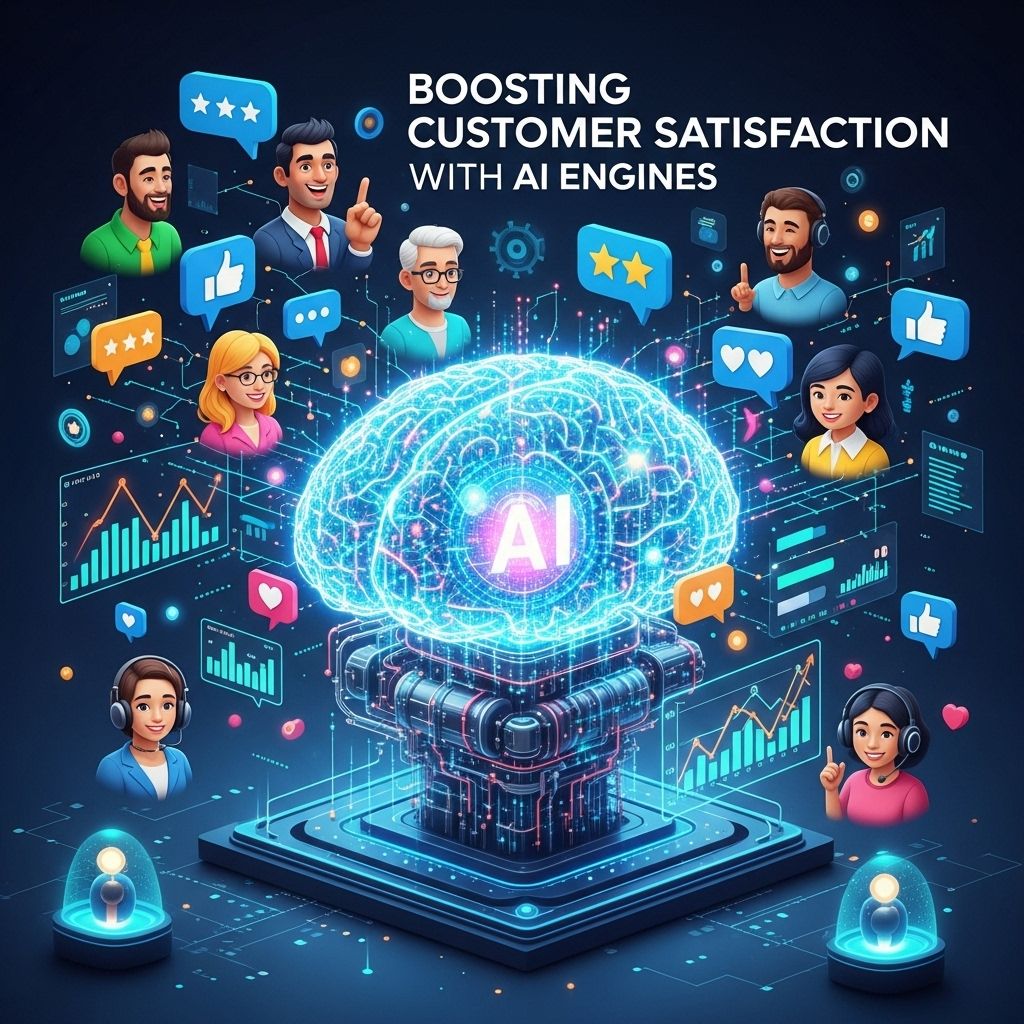
Artificial Intelligence and User Experience (UX) represent a convergence of disciplines aimed at creating more intuitive, efficient, and satisfying interactions between humans and technology. AI enhances UX by enabling systems to learn from user behavior, adapt to preferences, and anticipate needs, thereby reducing friction and increasing engagement. This synergy is evident in applications such as personalized recommendations, voice assistants, and adaptive user interfaces.
The integration of AI into UX design has transformed how products and services are developed, shifting from static, one-size-fits-all approaches to dynamic, user-centric experiences. AI-powered tools analyze vast amounts of data to identify patterns, optimize workflows, and deliver tailored content, ultimately fostering deeper user satisfaction and loyalty.
#History / Background
#Early Developments in AI
The foundations of AI were laid in the mid-20th century, with seminal contributions from researchers such as Alan Turing, who proposed the concept of a universal machine capable of performing any computation, and John McCarthy, who coined the term "artificial intelligence" in 1956. Early AI systems, such as ELIZA (1966), demonstrated the potential for machines to simulate human conversation, albeit in a limited capacity.
#Rise of User Experience
The field of user experience emerged in the 1990s, driven by the growing complexity of digital interfaces and the need for more intuitive designs. Pioneers like Donald Norman, who popularized the term "user experience," emphasized the importance of usability, accessibility, and emotional design. The advent of the internet and mobile devices further accelerated the demand for UX-focused development.
#Convergence of AI and UX
The integration of AI into UX began in earnest in the 2010s, fueled by advances in machine learning, big data, and computational power. Companies like Google, Amazon, and Netflix pioneered AI-driven UX enhancements, such as personalized recommendations and voice-activated assistants. This convergence has since become a cornerstone of modern digital product design, enabling hyper-personalization and real-time adaptability.
#How It Works
#AI Technologies in UX
Several AI technologies underpin the enhancement of user experience:
- Machine Learning (ML): Algorithms that learn from user data to predict preferences and behaviors, enabling personalized content delivery.
- Natural Language Processing (NLP): Enables systems to understand and generate human language, powering chatbots and voice assistants.
- Computer Vision: Analyzes visual data to improve image recognition, augmented reality, and interactive interfaces.
- Reinforcement Learning: Optimizes user interactions by continuously adapting based on feedback and outcomes.
#AI-Driven Personalization
AI personalization involves tailoring content, recommendations, and interfaces to individual users based on their behavior, preferences, and context. For example:
- E-commerce: AI analyzes browsing and purchase history to suggest products, increasing conversion rates.
- Streaming Services: Platforms like Netflix and Spotify use AI to curate playlists and recommend shows, enhancing user retention.
- Healthcare: AI-powered apps adapt interfaces and content based on user health data, improving engagement and outcomes.
#Adaptive Interfaces
Adaptive interfaces dynamically adjust their layout, functionality, and content based on real-time user interactions. AI enables these interfaces to:
- Predict user intent and streamline navigation.
- Optimize visual hierarchy and readability.
- Reduce cognitive load by simplifying complex tasks.
Examples include auto-suggest features in search engines and dynamic form fields that adapt to user input.
#Important Facts
- AI enhances UX by reducing friction: Automating repetitive tasks and providing instant responses improves user satisfaction.
- Personalization increases engagement: Studies show that personalized experiences can boost conversion rates by up to 20%.
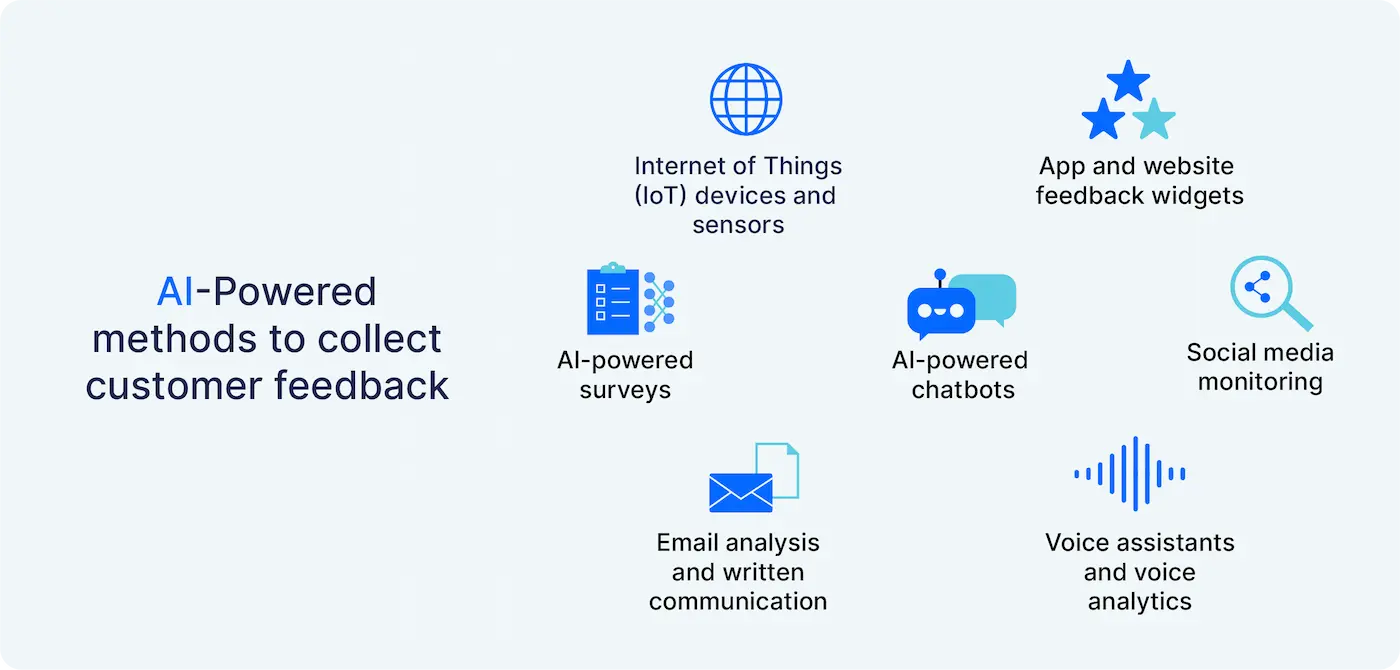
- AI-driven sentiment analysis improves feedback loops: Systems can analyze user emotions and adjust interactions accordingly.
- Ethical considerations are critical: Bias in AI algorithms can lead to exclusionary or discriminatory UX designs, necessitating transparent and inclusive practices.
- Accessibility is a key focus: AI tools are increasingly used to create inclusive designs, such as real-time captioning and screen readers.
#Timeline
Year Event 1950 Alan Turing proposes the Turing Test, laying groundwork for AI. 1956 John McCarthy coins the term "artificial intelligence" at Dartmouth Conference. 1966 ELIZA, an early chatbot, is developed by Joseph Weizenbaum. 1990s User Experience emerges as a distinct discipline, emphasizing usability and design. 2011 Apple releases Siri, popularizing voice-activated AI assistants. 2016 Google introduces Google Assistant, further advancing AI-driven UX. 2020 AI-powered personalization becomes mainstream in e-commerce and streaming platforms. 2023 Advances in generative AI enable hyper-personalized content creation and adaptive interfaces.
#Related Terms
#FAQ
What does AI And User Experience: Enhancing Satisfaction cover?
Explores how artificial intelligence shapes user experience and enhancing satisfaction, covering practical use cases, benefits, limitations, and risks.
Why is AI And User Experience: Enhancing Satisfaction important?
It helps readers understand key concepts, compare practical use cases, and evaluate how Biography decisions affect outcomes, risks, and implementation choices.
What should readers verify before applying this topic?
Readers should compare the benefits, limitations, data requirements, and related themes such as User, Experience, Enhancing before using the ideas in real projects.
#References
- AI And User Experience: Enhancing Satisfaction terminology and background research
- AI And User Experience: Enhancing Satisfaction use cases, implementation examples, and limitations
- Biography best practices, standards, and risk guidance
- User case studies, benchmarks, and current industry analysis

Comments
No comments yet. Start the discussion with a useful note.