

#Short Answer
Explores how artificial intelligence shapes SEO and optimizing content, covering practical use cases, benefits, limitations, and risks.
#Infobox
AI and SEO optimization involves using artificial intelligence to enhance content structure, readability, and search engine rankings through techniques like content chunking and semantic analysis.
AI and SEO Optimization Field Artificial intelligence, Search engine optimization Key Techniques Content chunking, semantic analysis, natural language processing, keyword optimization Primary Benefit Improved search engine rankings, enhanced user engagement, higher content relevance Tools & Frameworks TensorFlow, BERT, Google’s RankBrain, SurferSEO, Clearscope Developed By AI researchers, SEO specialists, content strategists First Introduced Early 2010s (with advancements in NLP and machine learning)
#Overview
AI and SEO optimization refers to the integration of artificial intelligence technologies with search engine optimization strategies to improve content performance on search engines. This approach leverages machine learning, natural language processing (NLP), and data analytics to enhance content structure, relevance, and user engagement. By analyzing vast datasets, AI identifies patterns in user behavior, search queries, and content trends, enabling creators to tailor their material for better visibility and ranking.
At its core, AI-driven SEO optimization focuses on refining content to align with search engine algorithms, which prioritize high-quality, contextually relevant, and user-friendly material. Techniques such as content chunking, semantic keyword integration, and readability scoring are employed to ensure content meets both algorithmic and human reader expectations. The synergy between AI and SEO not only streamlines the optimization process but also provides data-driven insights to refine strategies continuously.
#History / Background
The evolution of AI in SEO can be traced back to the early 2010s, when advancements in machine learning and NLP began to reshape digital marketing. Google’s introduction of RankBrain in 2015 marked a pivotal moment, as it used AI to interpret search queries and deliver more accurate results. This shift forced content creators to move beyond keyword stuffing and adopt more nuanced, context-aware approaches.
Before AI’s integration, SEO relied heavily on manual keyword research and on-page optimizations. However, the rise of AI-powered tools like BERT (Bidirectional Encoder Representations from Transformers) in 2019 further refined search algorithms by understanding the nuances of human language. Today, AI-driven SEO tools analyze user intent, competitor strategies, and content gaps, enabling marketers to craft highly targeted and optimized content.
#How It Works
#Content Chunking
Content chunking is a technique where long-form content is broken into smaller, digestible sections to improve readability and SEO performance. AI tools analyze content structure to identify logical breaks, ensuring each chunk addresses a specific subtopic. This method aligns with featured snippet optimization, as search engines favor concise, well-organized answers to user queries.
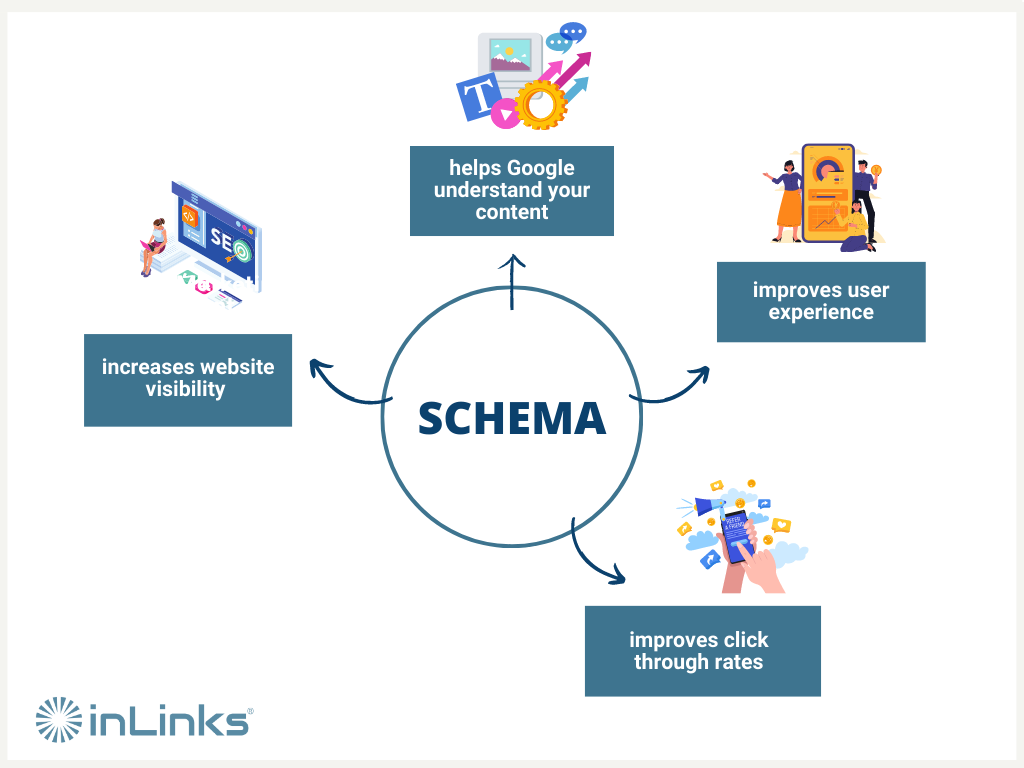
For example, a blog post on "AI and SEO optimization" might be divided into chunks such as "Introduction to AI in SEO," "Key Techniques for Optimization," and "Tools and Frameworks." Each section can then be optimized with targeted keywords, internal links, and structured data markup to enhance search engine understanding.
#Semantic Analysis
Semantic analysis involves using AI to interpret the meaning behind words and phrases in content. Unlike traditional keyword matching, semantic analysis considers context, synonyms, and user intent. For instance, AI can recognize that "content optimization" and "SEO enhancement" refer to similar concepts, allowing for more flexible and natural keyword integration.
Tools like BERT and NLP models analyze sentence structure and relationships between words to ensure content aligns with search engine algorithms. This approach reduces the risk of over-optimization and improves content relevance for diverse search queries.
#Natural Language Processing (NLP)
NLP enables AI systems to understand, interpret, and generate human-like text. In SEO, NLP is used to analyze content for readability, tone, and engagement metrics. AI tools can assess whether a piece of content is conversational, authoritative, or overly complex, providing recommendations for improvement.
For example, NLP can detect passive voice, jargon, or overly long sentences, suggesting edits to enhance clarity. Additionally, NLP-powered tools like SurferSEO compare content against top-ranking pages to identify gaps and opportunities for optimization.
#Keyword Optimization
AI enhances keyword optimization by predicting search trends, identifying long-tail keywords, and analyzing competitor strategies. Machine learning models process historical search data to forecast rising queries, allowing content creators to stay ahead of trends. AI tools also segment keywords based on intent (informational, navigational, transactional) to align content with user needs.
For instance, an AI tool might identify that "AI-driven SEO tools" is a high-intent keyword with growing search volume, prompting the creation of a dedicated guide or comparison article. This data-driven approach ensures keywords are not only relevant but also aligned with user behavior patterns.
#Important Facts
- AI in SEO is projected to grow at a CAGR of 30% from 2023 to 2030, driven by advancements in machine learning and NLP.
- Google’s BERT algorithm update impacted 10% of all search queries, emphasizing the need for natural language optimization.
- Content chunking can increase dwell time by up to 40%, as users find structured, scannable content easier to consume.
- AI-powered SEO tools reduce content creation time by up to 60% by automating keyword research, competitor analysis, and optimization recommendations.
- Over 50% of marketers report improved search rankings within three months of implementing AI-driven SEO strategies.
#Timeline
Year Milestone 2015 Google introduces RankBrain, an AI system that interprets search queries using machine learning. 2017 Google’s Fred update targets low-quality, ad-heavy content, pushing for higher content standards. 2019 Google rolls out BERT, improving understanding of natural language in search queries. 2020 AI-powered SEO tools like SurferSEO and Clearscope gain popularity for content optimization. 2022 Google introduces the Helpful Content Update, prioritizing user-first content over algorithmic manipulation. 2023 Advancements in generative AI, such as LLMs, enable automated content creation and optimization at scale.
#Related Terms
#FAQ
What does AI And SEO: Optimizing Content cover?
Explores how artificial intelligence shapes SEO and optimizing content, covering practical use cases, benefits, limitations, and risks.
Why is AI And SEO: Optimizing Content important?
It helps readers understand key concepts, compare practical use cases, and evaluate how SEO decisions affect outcomes, risks, and implementation choices.
What should readers verify before applying this topic?
Readers should compare the benefits, limitations, data requirements, and related themes such as Optimizing, Content, Content Generation before using the ideas in real projects.
#References
- AI And SEO: Optimizing Content terminology and background research
- AI And SEO: Optimizing Content use cases, implementation examples, and limitations
- SEO best practices, standards, and risk guidance
- Optimizing case studies, benchmarks, and current industry analysis

Comments
No comments yet. Start the discussion with a useful note.