


#Short Answer
Explores how artificial intelligence shapes nutrition and customized diets, covering practical use cases, benefits, limitations, and risks.
#Infobox
Artificial intelligence in nutrition and customized diets Field Nutrition, dietetics, artificial intelligence Key People Pioneers in AI-driven nutrition science, data scientists, registered dietitians First Introduced Early 2010s (conceptual), late 2010s (practical implementations) Major Developers Tech companies, academic institutions, health-tech startups Notable Applications Personalized meal planning, metabolic health optimization, chronic disease management Impact Enhanced dietary adherence, improved health outcomes, reduced healthcare costs
#Overview
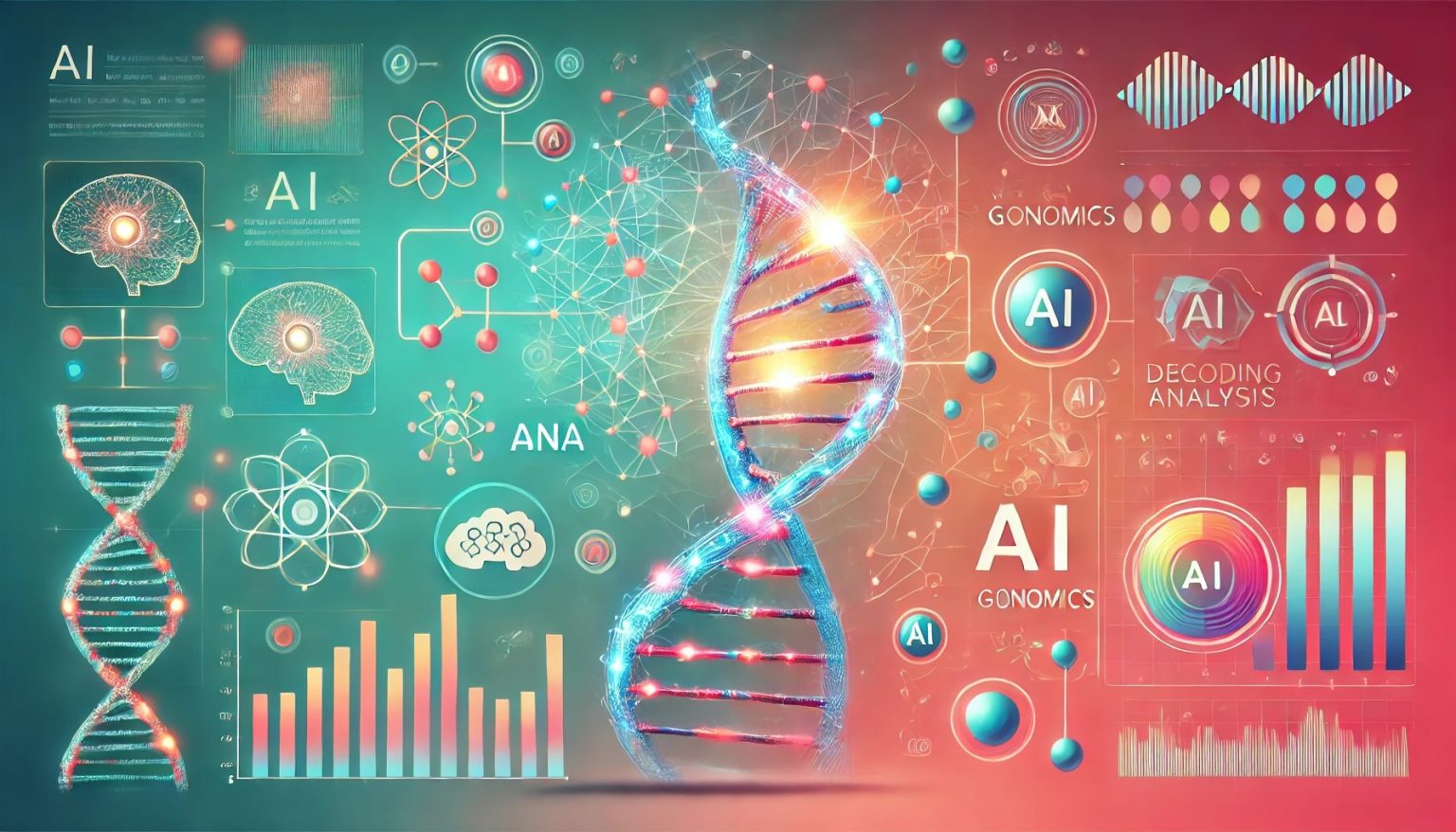
AI-powered nutrition represents a paradigm shift from traditional one-size-fits-all dietary guidelines to highly personalized dietary interventions. Leveraging machine learning, deep learning, and natural language processing, AI systems process vast amounts of biological, behavioral, and environmental data to deliver real-time, adaptive dietary advice. These systems integrate inputs from wearable devices, electronic health records, food tracking apps, and genetic testing to construct dynamic, responsive nutrition plans.
The primary goal is to optimize metabolic function, prevent chronic diseases, and support therapeutic nutrition—particularly for conditions like diabetes, obesity, and cardiovascular disease. Unlike conventional dietetics, AI-driven nutrition emphasizes precision nutrition, where dietary recommendations are continuously refined based on user feedback and physiological changes.
#History / Background
The conceptual foundation for AI in nutrition traces back to the early 2010s, when researchers began exploring the use of computational models to predict individual responses to dietary interventions. Early efforts focused on nutrigenomics—the study of how genes affect nutrient metabolism—and the development of rule-based expert systems for dietary planning.
By the mid-2010s, advancements in big data analytics and cloud computing enabled the integration of diverse data streams, including continuous glucose monitoring (CGM), microbiome sequencing, and activity tracking. The launch of consumer-facing health apps like Nutrino (acquired by Medtronic in 2017) and DayTwo marked a turning point, offering AI-driven gut microbiome analysis to predict blood sugar responses to foods.
In 2018, the PREDICT study by King’s College London and ZOE demonstrated the feasibility of using AI to predict personalized glycemic responses with high accuracy, validating the scientific basis for AI nutrition. Since then, the field has expanded rapidly, with applications in clinical nutrition, wellness programs, and public health interventions.
#How It Works
#Data Collection
AI nutrition systems rely on multiple data sources:
- Biometric Data: Blood glucose levels (via CGM), insulin sensitivity, lipid profiles, body composition (from DEXA or smart scales)
- Genetic Data: Single nucleotide polymorphisms (SNPs) linked to metabolism, nutrient absorption, and disease risk
- Microbiome Analysis: Gut microbiota composition and its influence on nutrient metabolism and inflammation
- Behavioral Data: Dietary logs, physical activity, sleep patterns, stress levels (via wearables and apps)
- Environmental Factors: Local food availability, cultural dietary practices, seasonal variations
#AI Model Architecture
Most AI nutrition platforms use a combination of:
- Supervised Learning: Trained on labeled datasets where dietary inputs are mapped to health outcomes (e.g., glucose spikes, weight change)
- Reinforcement Learning: Continuously adapts meal recommendations based on user feedback and health metrics
- Neural Networks: Deep learning models (e.g., convolutional neural networks for image-based food recognition, recurrent neural networks for time-series glucose data)
- Hybrid Models: Combine rule-based systems with AI to ensure safety and clinical compliance
#Personalization Engine
The AI engine processes collected data through several stages:
- Feature Extraction: Identifies key biomarkers and behavioral patterns
- Pattern Recognition: Detects correlations between food intake and health outcomes
- Predictive Modeling: Forecasts future metabolic responses to specific foods or meal combinations
- Recommendation Generation: Produces a tailored meal plan with portion sizes, timing, and food substitutions
- Feedback Loop: Incorporates real-time data (e.g., post-meal glucose readings) to refine recommendations
#Delivery Platforms
AI nutrition solutions are delivered via:
- Mobile apps with chatbot interfaces
- Web-based dashboards for clinicians and users
- Integration with smart kitchen devices (e.g., AI-powered scales, recipe generators)
- Telehealth platforms for remote monitoring and coaching
#Important Facts
- Accuracy: AI models can predict individual glycemic responses with up to 80% accuracy, compared to ~50% for population-based guidelines.
- Adherence:
- Users of AI-driven nutrition apps report up to 30% higher dietary adherence compared to traditional diet plans.
- Clinical Outcomes: Studies show AI-personalized diets can reduce HbA1c levels by 0.5–1.5% in people with type 2 diabetes over 6–12 months.
- Accessibility: AI nutrition tools are increasingly available through insurance-covered wellness programs and employer health initiatives.
- Ethical Considerations: Concerns include data privacy, algorithmic bias, and the potential for over-reliance on AI in medical decision-making.
- Regulation: AI nutrition tools are classified as Software as a Medical Device (SaMD) in many jurisdictions, requiring FDA or CE marking for clinical use.
#Timeline
Year Milestone 2013 Nutrino (later acquired by Medtronic) launches AI-based nutrition analysis platform 2016 DayTwo introduces gut microbiome-based personalized nutrition for blood sugar control 2018 PREDICT study demonstrates AI’s ability to predict personalized glycemic responses 2019 IBM Watson Health partners with nutritionists to develop AI-driven meal plans 2020 ZOE launches at-home gut microbiome and blood sugar testing kit with AI analysis 2021 FDA clears first AI-powered nutrition app (Nutrisense) for continuous glucose monitoring integration 2023 Meta (Facebook) and academic teams develop AI models predicting food-health relationships using social media data 2024 AI nutrition tools integrated into national diabetes prevention programs in the EU and US
#Related Terms
#FAQ
What does AI And Nutrition: Customized Diets cover?
Explores how artificial intelligence shapes nutrition and customized diets, covering practical use cases, benefits, limitations, and risks.
Why is AI And Nutrition: Customized Diets important?
It helps readers understand key concepts, compare practical use cases, and evaluate how Healthcare AI decisions affect outcomes, risks, and implementation choices.
What should readers verify before applying this topic?
Readers should compare the benefits, limitations, data requirements, and related themes such as Nutrition, Customized, Diet before using the ideas in real projects.
#References
- AI And Nutrition: Customized Diets terminology and background research
- AI And Nutrition: Customized Diets use cases, implementation examples, and limitations
- Healthcare AI best practices, standards, and risk guidance
- Nutrition case studies, benchmarks, and current industry analysis

Comments
No comments yet. Start the discussion with a useful note.